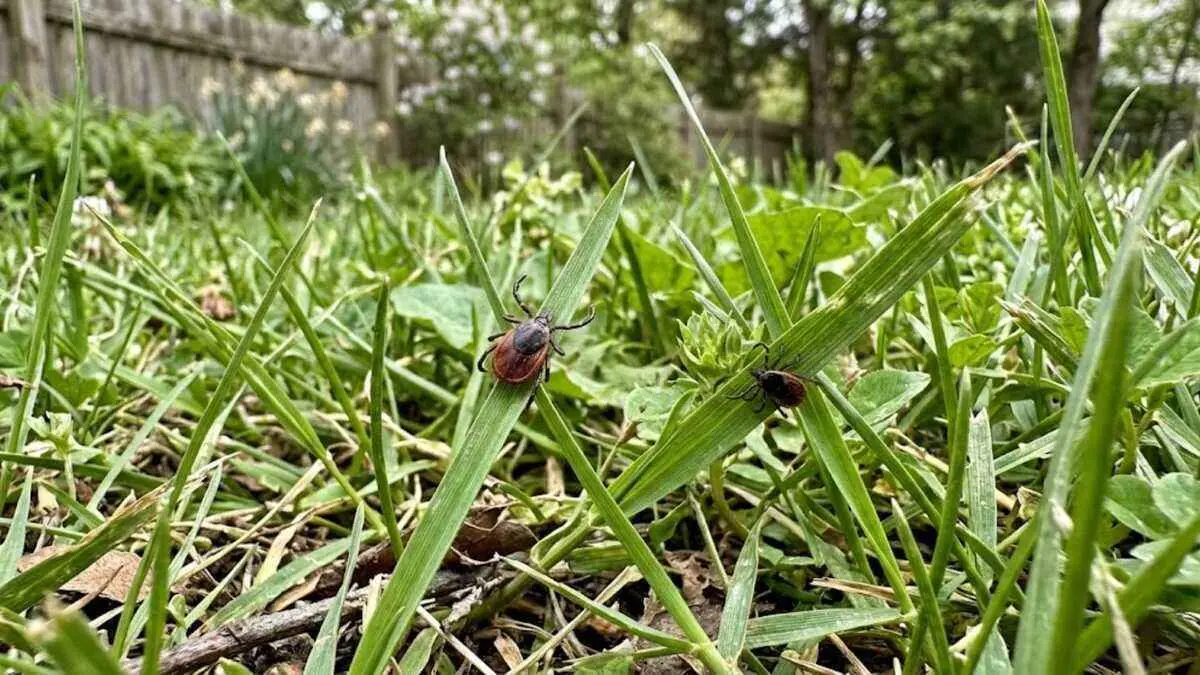
How to Get Rid of Ticks In Your Yard
by Gene Caballero | June 19, 2026
How to Get Rid of Ticks In Your Yard
A tick-proof yard is a safer yard. When your lawn’s grass is regularly mowed, hedges and shrubs are pruned, and debris is removed, the yard becomes a less ideal habitat for harmful ticks.
In this guide, we’ll show you how to get rid of ticks in your yard with habitat management, food source reduction, and chemical control. Plus, we’ll cover practical tick safety tips like bug repellents, pet protection, and daily tick checks.
Where Are Ticks Hiding?
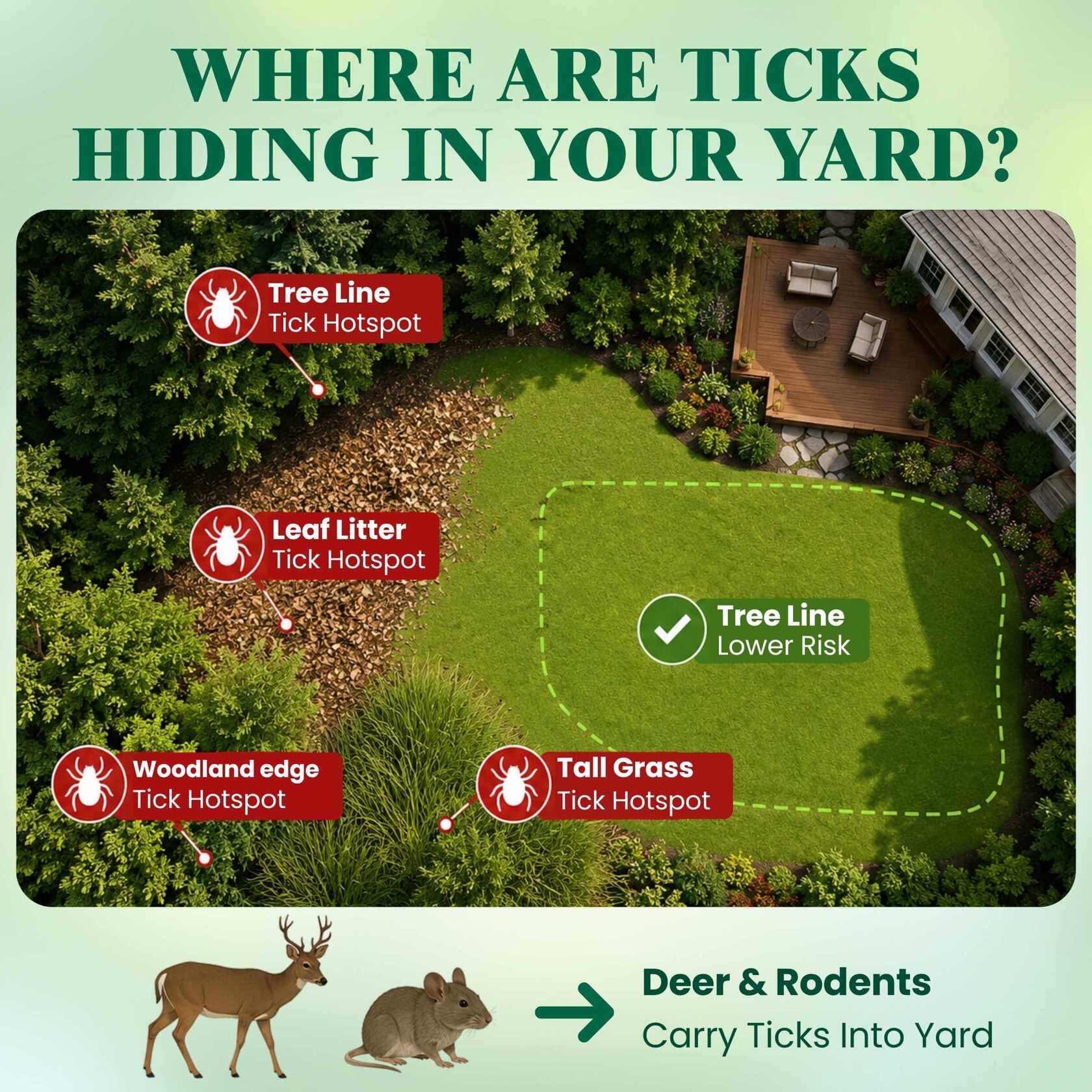
Ticks seek habitats with high levels of humidity, cool temperatures, and access to animal hosts. That's why they take shelter in the woods, along trails, and in the shaded, overgrown areas near the tree line.
Lawns with tall grass, leaf litter, and a woody perimeter create an ideal tick habitat. While they tend to stay close to the yard's wooded border and shaded areas, they're often transported deeper into the lawn by hitching a ride on animal hosts, like deer and small rodents.
How to Get Rid of Ticks in the Landscape
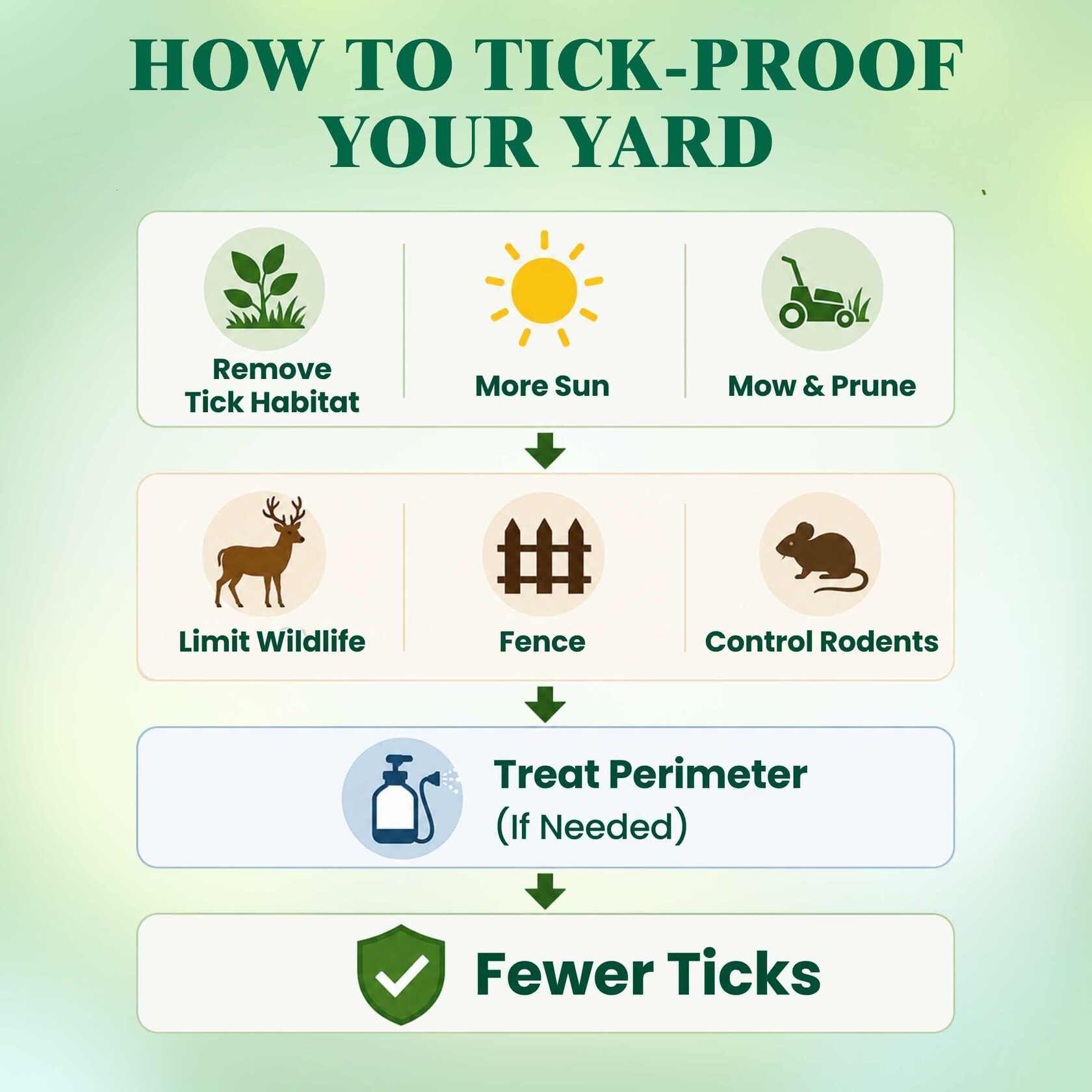
The best way to reduce encounters with ticks in the yard is to manage their habitat and remove their food source. That means creating tick-free zones and keeping wildlife at bay.
Create Tick-Free Zones
Habitat management is one way to make the lawn less hospitable to ticks and reduce their numbers in and around your yard. Here’s how:
Increase sunlight: Make areas of the yard where you enjoy spending time as sunny as possible. Direct sunlight dehydrates ticks. Remove overhanging branches and be strategic with future plantings and installments.
Prune overgrowth: Prune and trim brush and overgrowth to minimize shade. This is especially important around woody perimeters and trails where ticks like to wait for wildlife and humans.
Mow the lawn: Tall grass creates the moist, shaded conditions that ticks need to thrive. Mow regularly and keep your lawn at an appropriate height to prevent it from becoming overgrown.
Remove debris: The pile of wet leaves near the fence, wood pile, or yard’s edge is an ideal hiding spot for ticks. Remove leaf litter and other ground covers from the yard to reduce shade, moisture, and shelter for these pests. Consider hiring professional leaf removal or spring cleanup services for easy disposal.
Add borders: Install a 3-foot wide barrier of wood chips, gravel, or mulch between the lawn and wooded area. While borders won’t repel ticks, they do provide a visual reminder for people (especially young children) where the tick-free zone ends and begins.
Keeping your yard tick-free requires regular maintenance, including mowing, pruning, and mulching. GreenPal connects homeowners in several cities with local lawn care professionals to make the job easy, including Indianapolis, IN, Baltimore, MD, and Buffalo, NY.
Keep Away Wildlife
Ticks usually don’t crawl deep into the lawn on their own. They’re usually transported there by animal hosts — such as deer, birds, small rodents, and humans — and drop off after feeding. Keeping wildlife out of the yard is a helpful way to keep out ticks, too.
Fencing: Installing a fence may help to deter large animals from entering the yard, like deer.
Tick tubes: Mice are a common tick host, and tick tubes are one way to manage that issue. Tick tubes contain permethrin-treated cotton that mice collect for nesting material, and any attached ticks are exposed to the pesticide in the nesting process.
Bird feeders: Move bird feeders to open, sunny areas of the lawn and consider only feeding birds in winter when tick activity is lower.
Woodpiles: Move woodpiles away from tick-free zones to help prevent small rodents from coming and going.
Apply Pesticides Around Perimeter
Chemical control should always be a last resort to control ticks, because the chemicals can harm beneficial insects. Pesticides are just one component of tick control, and should be combined with habitat management and food source reduction if used.
Acaricides are pesticides that control arachnids (like ticks, mites, and spiders). Apply the acaricide along woodland edges, landscape borders, and stonewall edges to kill ticks.
Chemical pest control is most effective against ticks in the nymphal stage, but can also control adult ticks. Apply acaricide spray or granules from mid-May through mid-June when the nymph tick population has reached its peak. To control adult ticks, apply the acaricide in fall.
Always read the product's instructions for appropriate timing and safe application. Many products are available for homeowner use, but some are only available to licensed applicators.
How to Practice Tick Safety
Making your yard less suitable for ticks can help reduce their presence, but it won’t eliminate them completely. That’s why it’s important to always practice tick safety. Here’s how:
Wear long pants: When walking through tall grass or woody areas, wear long pants to block access to your skin. For added protection, tape or tuck the pant legs into your boots.
Treat clothing: Treat clothing, shoes, and camping gear with tick repellents containing 0.5% permethrin.
Spray bug repellent: Apply EPA-registered bug repellents containing DEET, picaridin, IR3535, Oil of Lemon Eucalyptus (OLE), para-menthane-diol (PMD), or 2-undecanone. Spraying your ankles is especially important to prevent tick bites.
Protect pets: Don’t forget about your pets. Ensure they are receiving tick protection recommended by their vet.
Check daily: Perform a daily tick check to ensure no ticks have attached themselves to your body. Check your pets for ticks as well.
Why Is Tick Control Important?
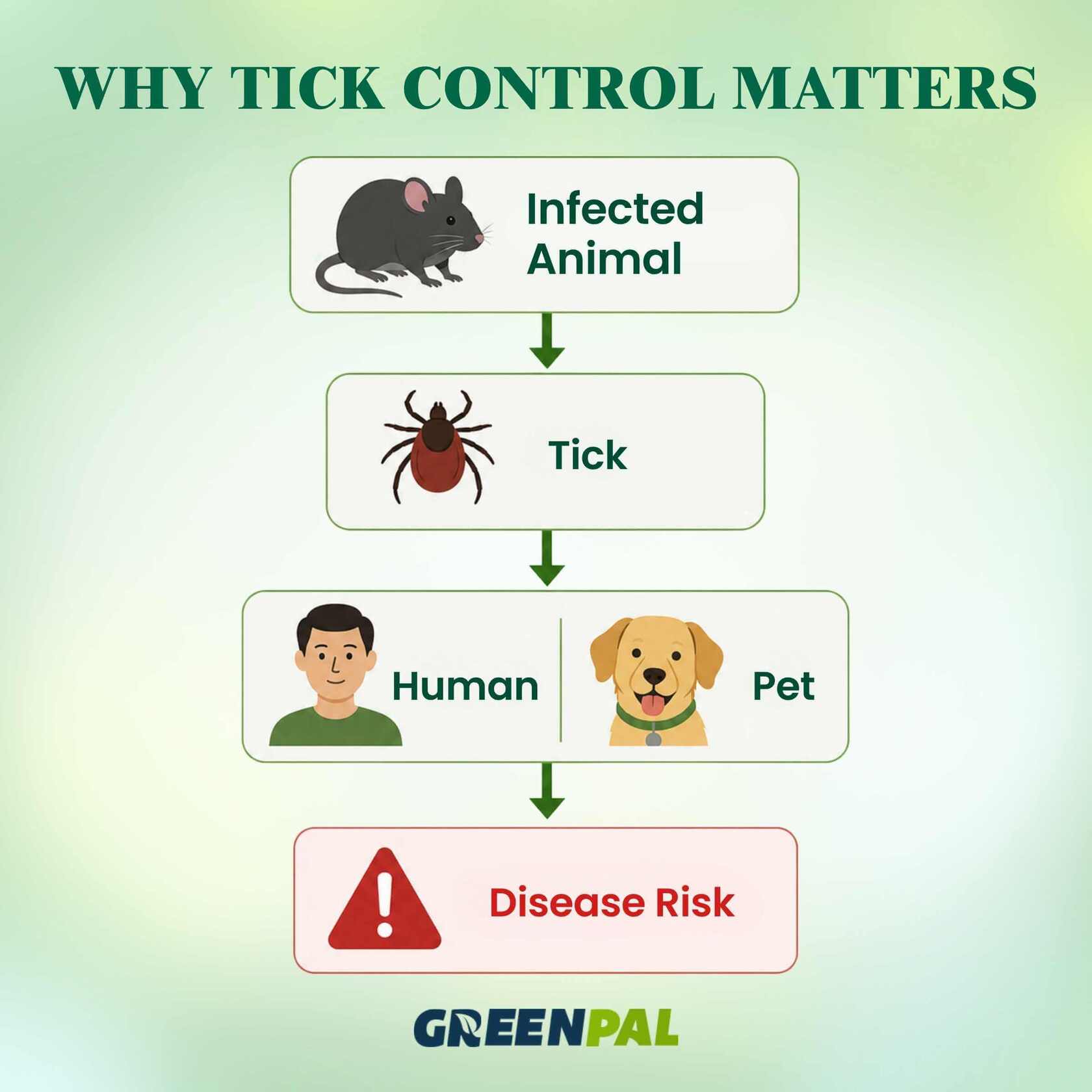
Proactive tick control helps reduce the chances of a tick bite and the illnesses that can come with it. Ticks acquire pathogens by feeding on infected animals, then pass them on to new hosts, including humans and pets.
There are many different types of ticks and tick-borne diseases, including:
Blacklegged ticks (also known as deer ticks) are the main transmitter of Lyme disease, anaplasmosis, and babesiosis.
American dog ticks (which also affect humans, not just dogs) can transmit Rocky Mountain spotted fever.
Lone star ticks transmit ehrlichiosis. They also transmit alpha‑gal syndrome to humans, an allergy to red meat.
Rocky Mountain wood ticks spread Colorado tick fever, Rocky Mountain spotted fever, and tularemia.
Brown dog ticks spread Rocky Mountain spotted fever.
Hire Pros to Tick-Proof Your Lawn
Your lawn and yard are meant to be places for you to relax and enjoy, not worry about harmful pests. Find a lawn care professional near you to handle trimming and pruning, mulching, leaf removal, spring cleanups, landscaping, and lawn mowing — all important parts of an effective tick management strategy.