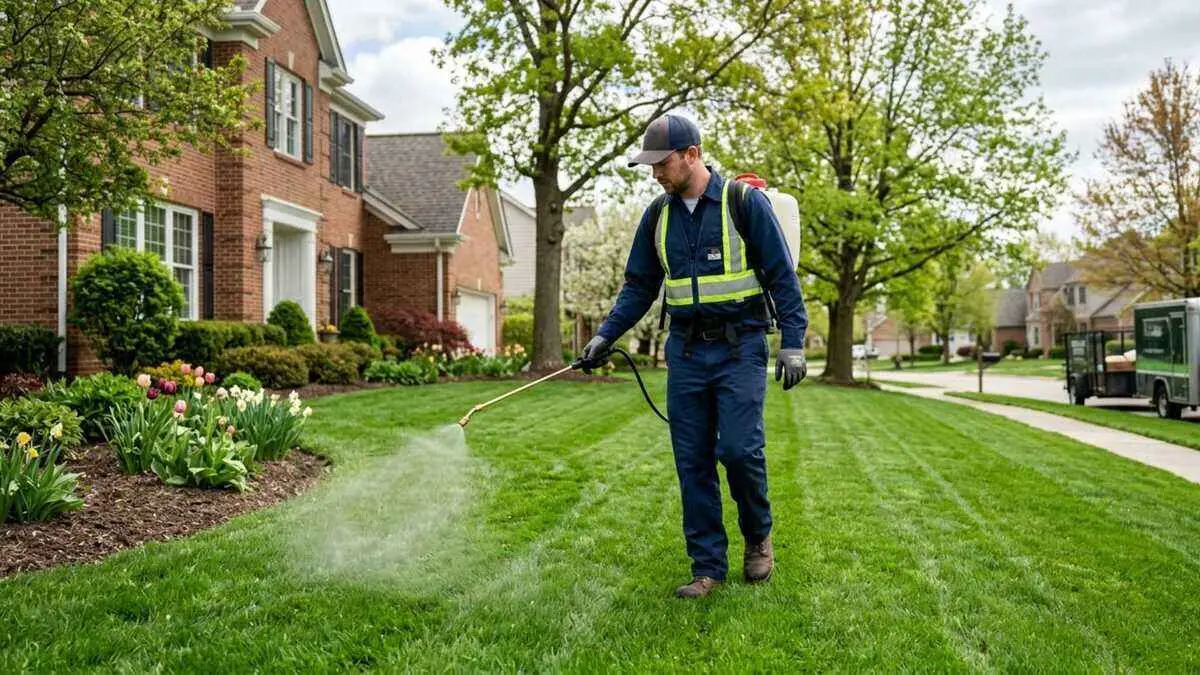

Pre-emergent herbicides work by stopping weed seeds before they sprout — which means you must act within the application window. Knowing when to apply pre-emergent herbicide is the difference between getting ahead of weeds and chasing them all season.
Warm-season weeds grow from late spring to early fall and cool-season weeds grow from late fall to early spring. To prevent both types from growing, apply pre-emergent herbicide at least once in spring, and once in fall
|
In this article: |
When to Apply Pre-Emergent in Spring
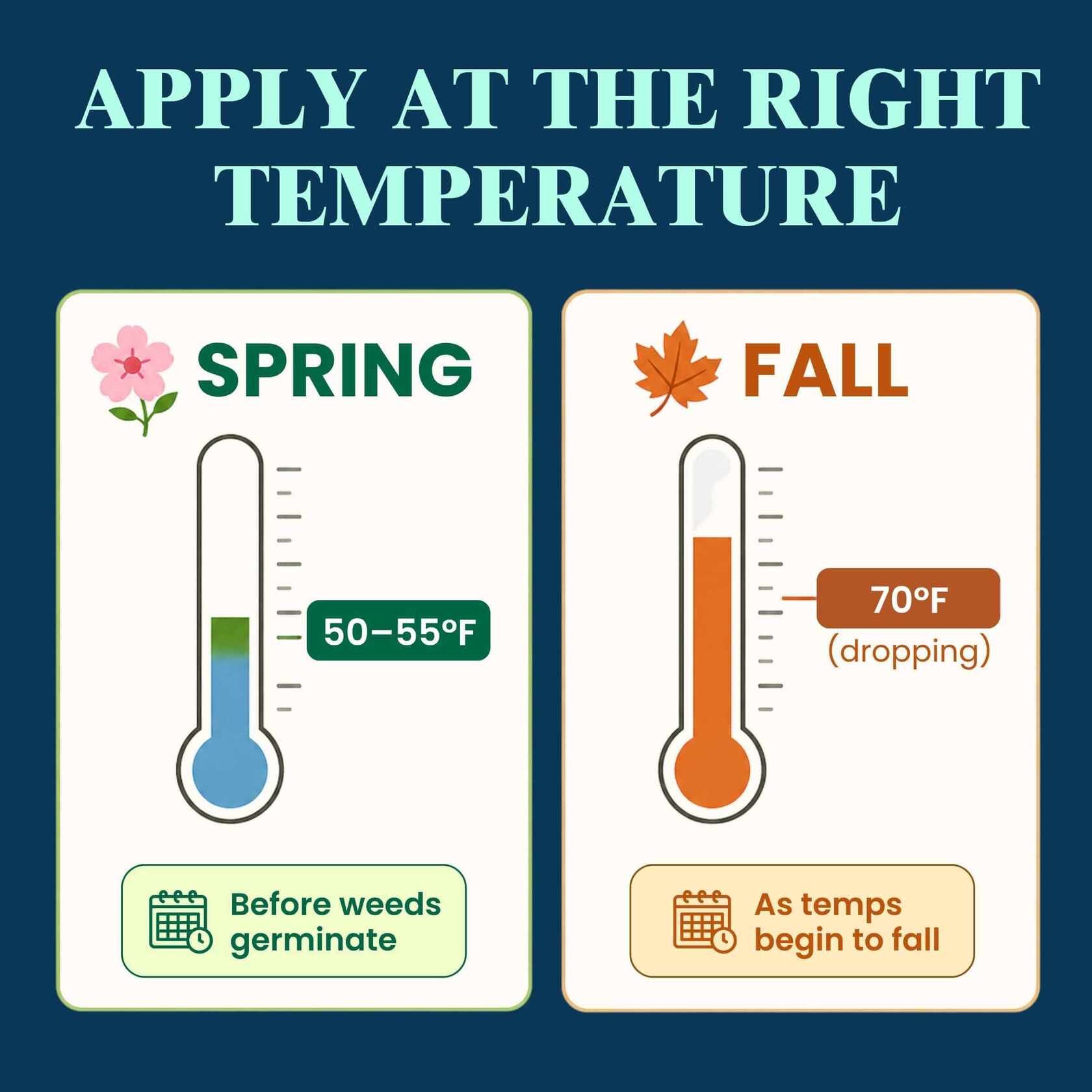
Many warm-season weeds begin to germinate when spring soil temperatures reach 55°F. To get ahead of them, apply pre-emergent when soil temperatures are consistently between 50 and 55°F.
Apply too early, and its effectiveness may wear off before germination peaks. Apply too late, and weeds will have already started to sprout.
Applying pre-emergent herbicide in spring can help control the following warm-season weeds, also known as summer weeds:
Crabgrass
Foxtail
Goosegrass
Knotweed
Lambsquarter
Nutsedge
When to Apply Pre-Emergent in Fall
Many cool-season weeds reach peak germination when autumn soil temperatures fall between 70 and 50°F. To stay one step ahead, apply pre-emergent when soil temperatures begin dropping and approach 70°F.
Applying pre-emergent herbicide in fall can help control the following cool-season weeds, also known as winter weeds:
Annual Bluegrass
Chickweed
Dandelions
Henbit
When Not to Apply Pre-Emergent Herbicide
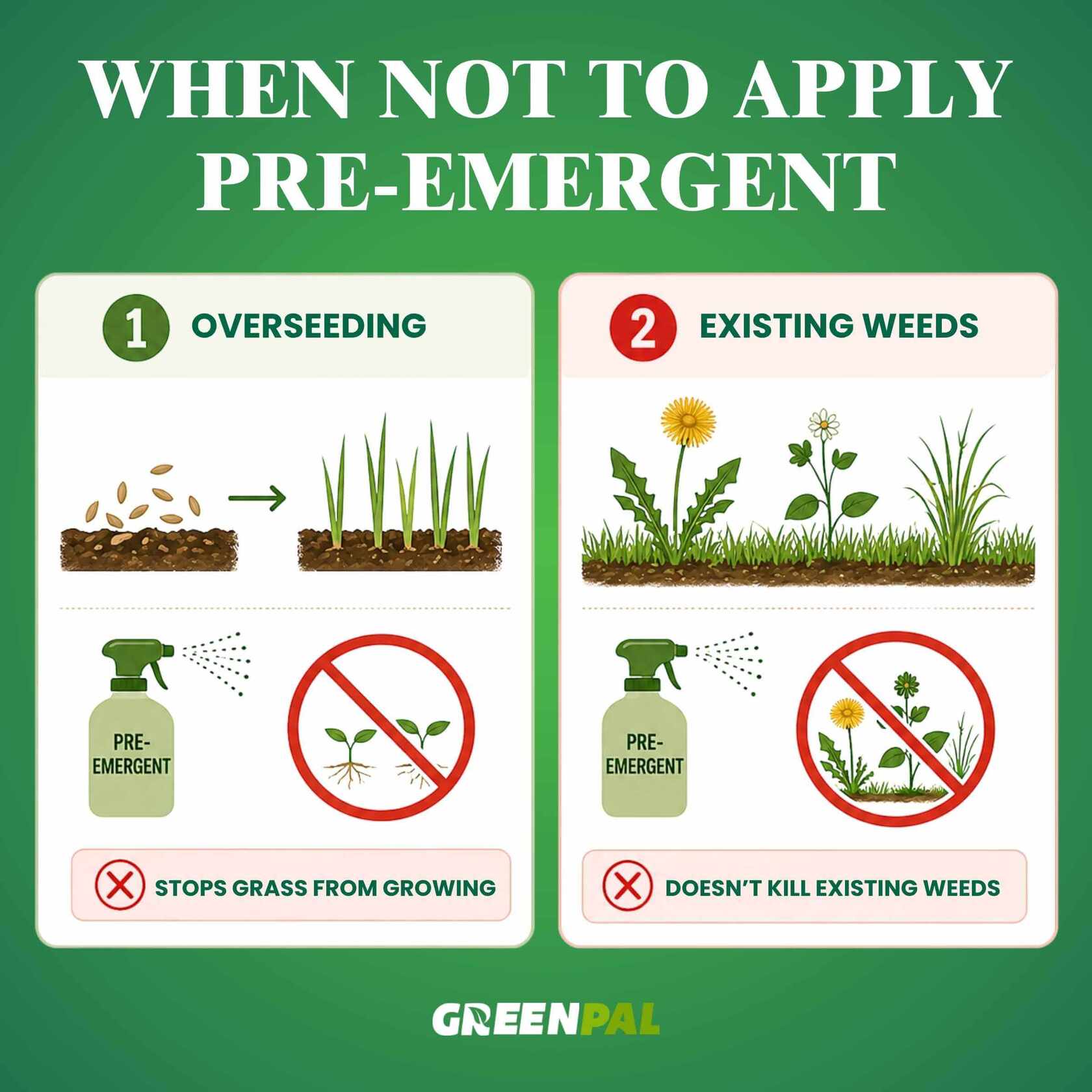
Pre-emergent herbicides prevent seeds from germinating — including grass seed. If you're planning to overseed the lawn, or have recently done so, hold off on applying until the grass is established.
These products also won't solve an existing weed problem. If weeds have already sprouted, reach for a post-emergent herbicide instead — pre-emergent can help catch a few stragglers, but it's not the right tool for the job at that stage.
Frequently Asked Questions
How Do I Measure Soil Temperature?
To measure soil temperature, insert a soil thermometer or probe approximately 3 inches deep and wait for the reading to stabilize. Take readings in the morning for the most consistent results, and check every few days as the season transitions.
Do I Need to Water In Pre-Emergent Herbicide?
Yes, watering pre-emergent herbicide into the soil activates its weed-blocking barrier. Provide supplemental irrigation after application, or time the application before an expected rainfall.
How Do I Choose Which Pre-Emergent Herbicide to Use?
The pre-emergent herbicide you choose usually depends on which weed you’re trying to control. Identify your problem weed and choose your product accordingly.
How Do I Prevent Weeds Naturally?
The best way to prevent weeds naturally is to practice a good lawn care routine that boosts your lawn’s health and density. Tall, thick grass can help block weeds by limiting their access to sunlight and available space.
Core aeration is an effective way to relieve the compacted soil that many weeds tolerate. If you live in an area with heavy clay soil, such as Nashville or Atlanta, your yard may benefit from annual lawn aeration services.
Turn to a Lawn Care Pro
Even with perfect timing, weeds are resourceful and persistent. If they're still cropping up, consider handing your turf over to a lawn care professional who can improve its resilience against weeds and keep them away long-term.