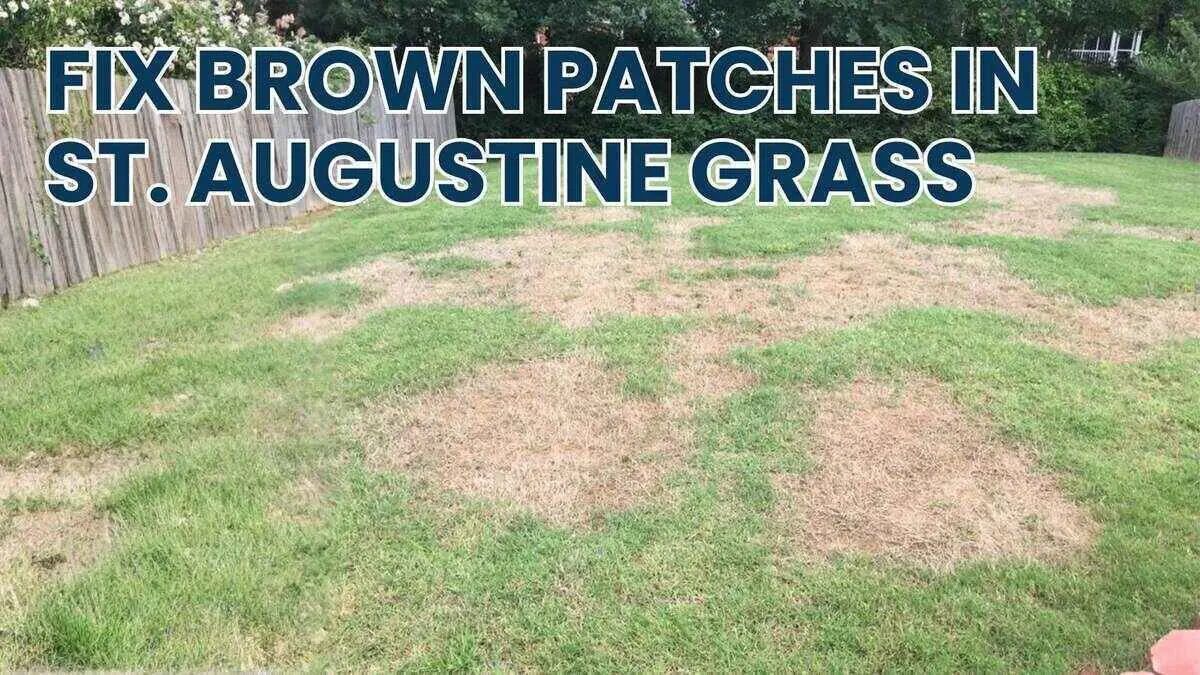
 How to Treat and Prevent Brown Patches in Your St. Augustine Grass


How to Choose the Best Lawn Care Company in New York | 2026 Guide
by Gene Caballero | February 12, 2026
How to Choose the Best Lawn Care Company in New York | 2026 Guide
Choosing a lawn care company in New York means navigating approximately 45,100 landscaping businesses. You need to understand state-specific regulations and decide between traditional services and marketplace platforms. At GreenPal, we've helped over 1 million homeowners connect with vetted professionals. The best choice depends on three factors: verifying proper licensing and insurance, understanding what your lawn actually needs, and matching your priorities to the right service model.
New York ranks third nationally for landscaping businesses. This competition benefits consumers through better pricing. However, it also makes verification essential. The state's lawn care market is growing at 5% annually. New York has strict environmental regulations like the phosphorus fertilizer ban. Choosing wisely requires understanding both consumer protection basics and New York-specific considerations.
Essential criteria for evaluating lawn care providers
Before comparing companies, verify the fundamentals that separate legitimate operations from risky contractors. In New York, any company applying fertilizers, herbicides, or pesticides must hold a NYSDEC Category 3A or 3B pesticide applicator license. This is a $450 certification requiring exams and ongoing education credits. You can verify a company's licensing status through the NYSDEC pesticide database search.
Non-negotiable verification steps:
Pesticide licensing: Confirm active NYSDEC certification through the state database for any chemical applications
Insurance documentation: Request certificates showing at least $1 million general liability coverage
Written contracts: Avoid verbal agreements. They're the foundation of most lawn care scams.
Physical property inspection: Companies quoting without seeing your lawn are a red flag
The most common lawn care scam involves contractors collecting cash upfront for full-season service, then disappearing.
BBB CEO Amie Mitchell warns: "Typically, the scams involve individuals who approach homeowners offering to mow their lawn for the entire summer at a discounted rate, with the condition of receiving payment in cash upfront. Unfortunately, once they've pocketed your cash, they may disappear."
What New York lawns actually need
New York's climate zones span from USDA Zone 4a in the Adirondacks (minimum -30°F) to Zone 7b in the NYC metro area (minimum 0-10°F). This requires cool-season grass expertise that not all providers possess.
The ideal lawn composition for most New York properties is 60% Kentucky Bluegrass, 20% Perennial Ryegrass, and 20% Fine Fescues, maintained at pH 6.0-7.0.
Marc Mayer, Director of Technical Operations at TruGreen, notes: "Homeowners need to know their lawn's grass type and the type of environment around the home. Some grass types prefer full sun and warm conditions, while others prefer cooler spring and fall temperatures."
New York pricing benchmarks for 2026
Understanding fair market rates helps you identify both scams and quality services. Here's what lawn care costs across New York:
Service Type |
NYC Metro Area |
Upstate New York |
Mowing per visit |
$60-$125 |
$35-$65 |
Monthly maintenance |
$150-$500 |
$100-$250 |
Annual full-service |
$2,000-$4,500 |
$1,000-$2,400 |
Aeration |
$300-$450 |
$100-$250 |
Fertilization |
$250-$350 |
$67-$200 |
New York's phosphorus fertilizer law prohibits application of phosphorus-containing fertilizers on established lawns except when soil tests indicate deficiency. All fertilizer application is banned between December 1 and April 1. Any company violating these regulations demonstrates concerning disregard for compliance.
For more details on typical lawn mowing costs, see our comprehensive lawn mowing pricing guide.
Understanding different lawn care service models
The lawn care industry operates through two fundamentally different models. Each has meaningful trade-offs.
Traditional lawn care companies
Companies like TruGreen (serving 2.3 million customers in 48 states) and Lawn Doctor (650+ franchise locations) employ technicians directly. They offer comprehensive treatment programs. TruGreen utilizes agronomists and soil science for customized approaches. Lawn Doctor's proprietary Turf Tamer equipment enables precise applications.
Advantages include:
Trained technicians with consistent service standards
Satisfaction guarantees with free re-treatments
Comprehensive services including fertilization, pest control, and aeration
Trade-offs to consider:
Annual contracts typically range from $558-$996 per year
Less scheduling flexibility
Service quality varies significantly by location
Most don't offer basic mowing services. They focus on lawn health treatments.
To understand if traditional services fit your needs, read our analysis on whether TruGreen is worth it.
Marketplace platforms connecting homeowners with contractors
Platforms connecting homeowners with independent contractors have gained significant market share. These operate with fundamentally different pricing and matching systems.
LawnStarter covers 2,572+ cities and surpassed $100 million in bookings in February 2025. The platform offers 25+ services and uses algorithm-based matching. They charge contractors up to 20% commission.
GreenPal operates with an auction-style model where contractors bid on jobs. Homeowners choose their preferred provider. We charge contractors just 5% commission. This is the lowest in the industry. This competitive bidding often yields better pricing. Services focus specifically on mowing and snow removal. Over 45,000 professionals use our platform across virtually all 50 states.
Lawn Love (acquired by LawnStarter in 2021) remains the only major platform with BBB accreditation.
Service model comparison
Platform |
Matching Method |
Commission |
Services Offered |
Trustpilot Rating |
GreenPal |
Homeowner chooses from bids |
5% |
Mowing, snow removal |
4.6/5 (2,215 reviews) |
LawnStarter |
Algorithm assigns |
20% |
25+ services |
4.7/5 (6,266 reviews) |
Lawn Love |
Algorithm assigns |
Up to 20% |
10+ services |
4.7/5 |
TruGreen |
Direct employment |
N/A |
Lawn treatments only |
1.2/5 BBB |
Lawn Doctor |
Franchise model |
N/A |
Lawn treatments only |
1.3/5 BBB |
The fundamental trade-off: marketplace platforms offer lower per-visit costs and scheduling flexibility. Quality depends on the individual contractor. Traditional companies provide more consistent service standards but require seasonal commitments and higher costs.
For a detailed comparison of platforms, see our GreenPal vs LawnStarter analysis.
Red flags that should end your consideration
Consumer protection agencies and industry experts consistently identify these warning signs:
Demanding full payment upfront before any work begins. This is the clearest scam indicator.
Cash-only requirements that prevent dispute recourse
Quotes without property inspection. Professionals need to see lawns before pricing.
No verifiable online presence, business license, or insurance documentation
High-pressure door-to-door sales pushing immediate commitments
Prices significantly below market rates. Offers that seem too good to be true typically are.
Quality lawn care companies sharpen or replace mower blades every one to two days. Companies using dull equipment damage grass. Ask potential providers about their blade maintenance practices. Vague answers suggest corner-cutting operations.
For more guidance on vetting providers, read our article on how to find the best lawn care professional and what kind of insurance your lawn care provider should have.
How to compare quotes effectively
The BBB recommends obtaining at least three quotes. Comparison requires methodological consistency. Ensure each quote covers identical services, frequency, and billing structure.
A $50 per visit weekly mowing quote isn't comparable to a $120 per visit bi-weekly quote that includes fertilization.
Request itemized breakdowns covering:
Specific services included (mowing height, edging, trimming, debris cleanup)
What triggers additional charges (grass over 6 inches, weather delays)
Cancellation terms and notice requirements
Renewal provisions. Automatic renewal without clear disclosure is a red flag.
Guarantee terms and dispute windows
The responsiveness during the quote process often predicts service quality. Companies that conduct thorough property assessments, answer questions completely, and provide detailed written documentation demonstrate professionalism likely to continue after hiring.
Learn more about what fair hourly rates look like for lawn care to avoid overpaying.
Contract elements that protect you
Any lawn care agreement should explicitly include these elements:
Required Element |
What to Verify |
Service scope |
Itemized list of included services and explicit exclusions |
Frequency |
Specific schedule (weekly, bi-weekly) with season dates |
Pricing |
Per-visit or monthly costs with additional fee triggers |
Cancellation |
Written notice requirements and any penalties |
Renewal |
Auto-renewal terms must be clearly disclosed |
Guarantee |
Satisfaction policy, timeframes, and resolution options |
Insurance |
Coverage confirmation with certificate availability |
BBB complaint records reveal common issues. These include services added without consent (like grub control treatments billed automatically), difficulty cancelling services, and charges for work not completed. Contracts should address these scenarios explicitly.
Resolving problems when they occur
Document everything from day one. Take photographs of your lawn before services begin. Keep copies of all contracts. Maintain written records of communications.
If disputes arise:
First contact the company directly with specific resolution requests in writing. For billing disputes, credit card chargebacks provide leverage that cash payments lack. Note that some platforms impose very short dispute windows. LawnStarter allows only five days to challenge charges.
If direct resolution fails:
File complaints with the BBB
Report scams to the FTC
Contact your state Attorney General's consumer protection office
Report pesticide-related violations to the NYSDEC
Making the right choice for your New York lawn
Choosing lawn care in New York comes down to matching your priorities with the right service model.
Homeowners seeking comprehensive lawn health programs with consistent service standards will find value in traditional companies like TruGreen or local Lawn Doctor franchises. This comes despite higher costs and seasonal commitments.
Those primarily needing reliable mowing at competitive prices may prefer marketplace platforms. At GreenPal, our auction-style model lets you compare multiple quotes and choose your preferred provider based on price, ratings, and reviews. With 45,000+ vetted professionals across the country and the industry's lowest commission rate, we've helped over 1 million homeowners find quality lawn care.
Regardless of model chosen, the verification fundamentals remain constant. Confirm NYSDEC pesticide licensing for any chemical applications. Require proof of insurance. Demand written contracts with clear cancellation terms. Never pay full season costs upfront.
New York's competitive market means quality providers exist at every price point. But so do operators who cut corners. The distinction becomes clear only through systematic verification before signing anything.
Ready to get started? Find vetted lawn care professionals in New York and compare competitive quotes in minutes.

 How to Treat and Prevent Brown Patches in Your St. Augustine Grass
by Gene Caballero | February 12, 2026
 How to Treat and Prevent Brown Patches in Your St. Augustine Grass
by Gene Caballero | February 12, 2026
 Charitable Lawn Mowing: Programs, Benefits, and How to Get Involved
by Gene Caballero | February 10, 2026

 GreenPal vs. TruGreen: Which Lawn Care Service is Right for You?
by Gene Caballero | February 10, 2026


 Signs It's Time to Switch Lawn Care Companies (And How to Do It)
by Gene Caballero | February 07, 2026

 Is TruGreen Worth It? A Genuine Look at Pros, Cons, and What You Can Expect
by Gene Caballero | February 06, 2026
 Who should I contact about getting my lawn mower serviced or repaired?
by Gene Caballero | February 05, 2026
 Safest Ice Melt for your Lawn and Garden: And How To Use Winter Melts Properly
by Gene Caballero | February 03, 2026



GreenPal
Featured Service Areas


Copyright © 2026 GreenPal. All rights reserved.
Featured Service Areas:
Copyright © 2026 GreenPal. All rights reserved.