


What is Grasscycling?
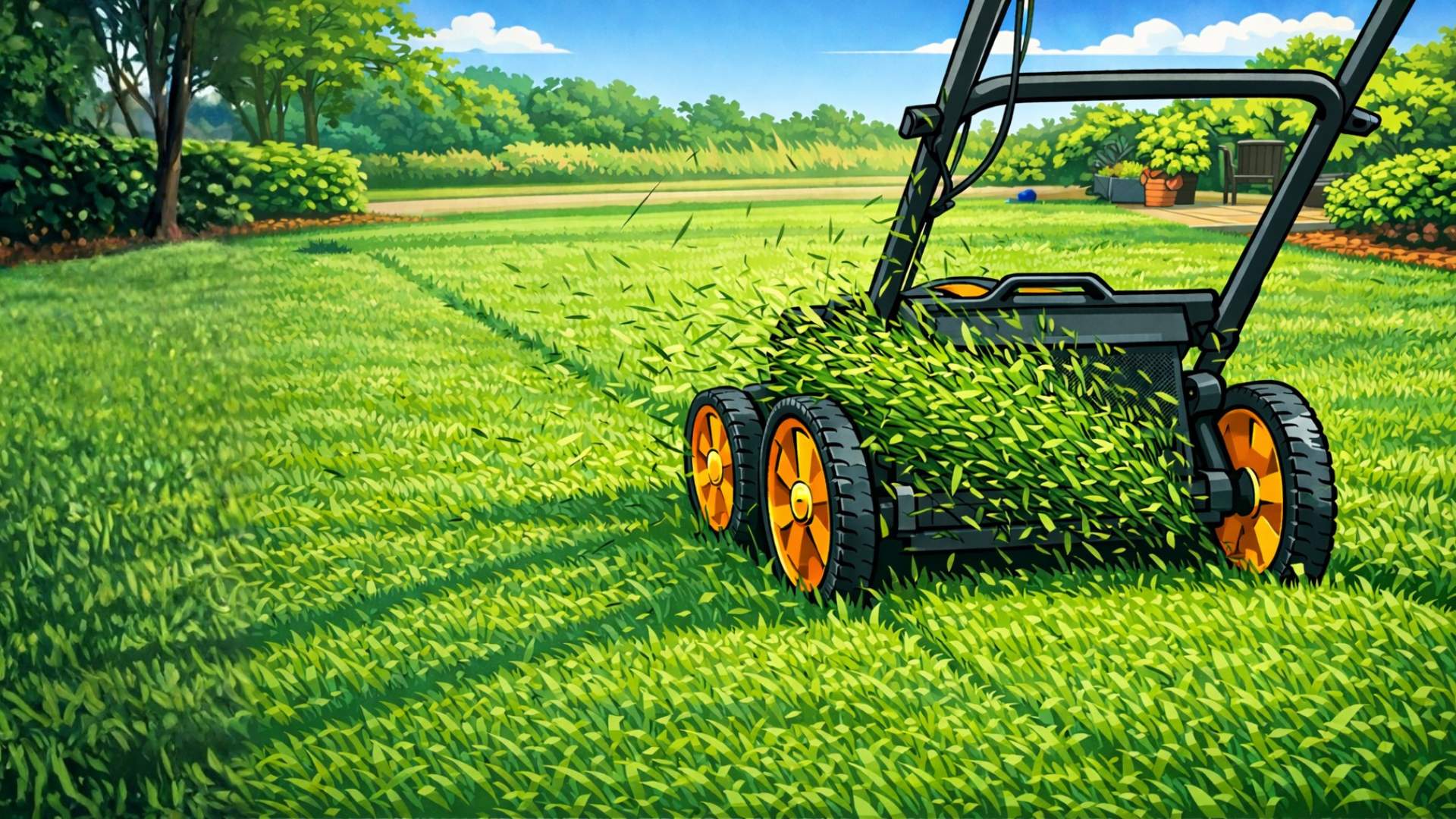
Grasscycling is the practice of leaving grass clippings on your lawn after mowing instead of bagging and removing them. The clippings decompose quickly and return valuable nutrients to the soil, acting as a natural fertilizer.
At GreenPal, we’ve observed thousands of lawns transition to grasscycling, and the results are consistent: healthier grass, reduced maintenance time, and lower costs. The practice works across different grass types and climates, making it one of the most practical improvements homeowners can make.
This guide explains exactly how grasscycling works, its proven benefits, and practical tips for getting the best results from your lawn.
How Grasscycling Works
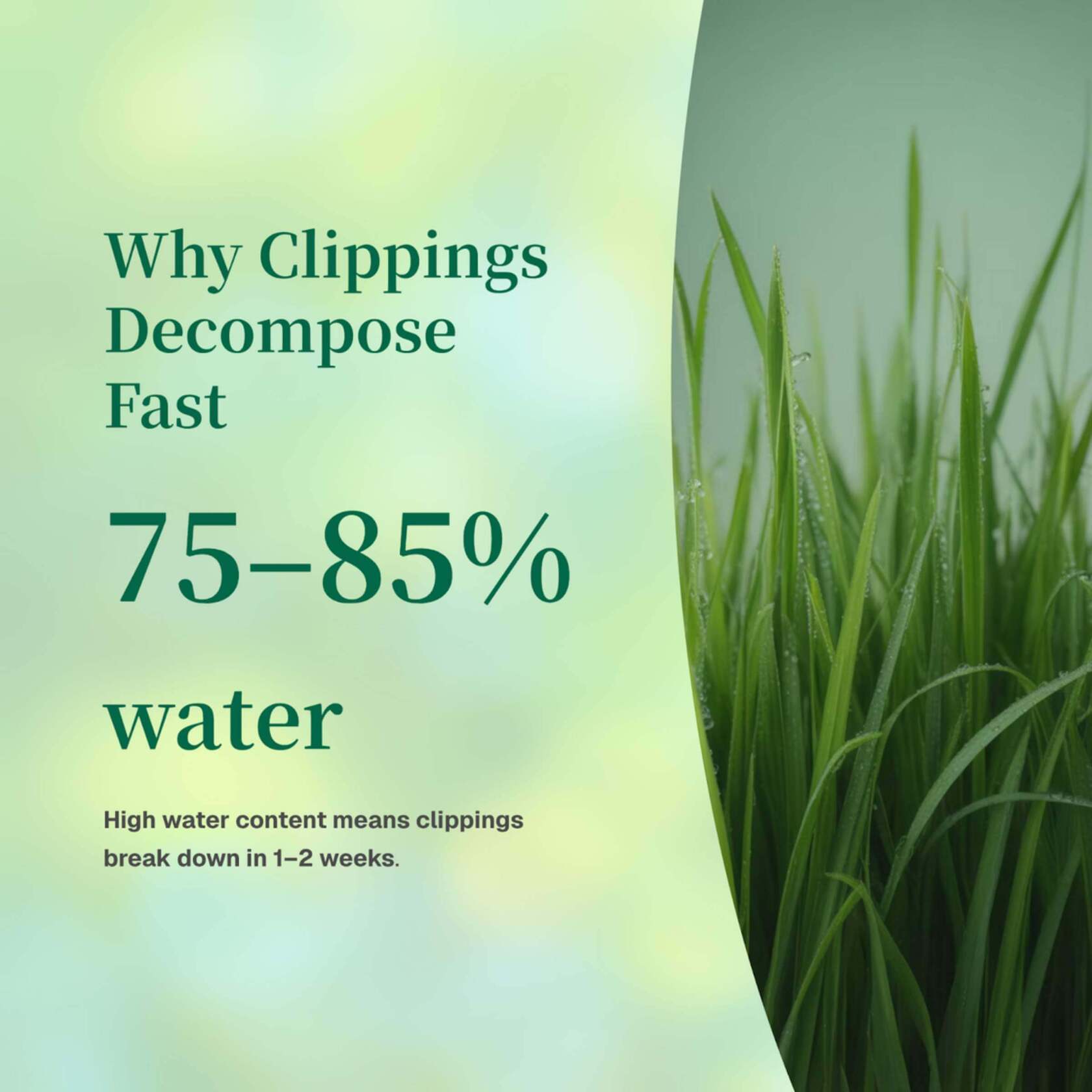
When you mow your lawn and leave the clippings behind, they break down within 1-2 weeks. Grass clippings are 75-85% water, which means they decompose rapidly when left on the lawn.
Benefits of Grasscycling
Saves Time and Effort
Grasscycling eliminates the need to stop, empty grass bags, and dispose of clippings. This cuts 30-40 minutes off the average mowing session.
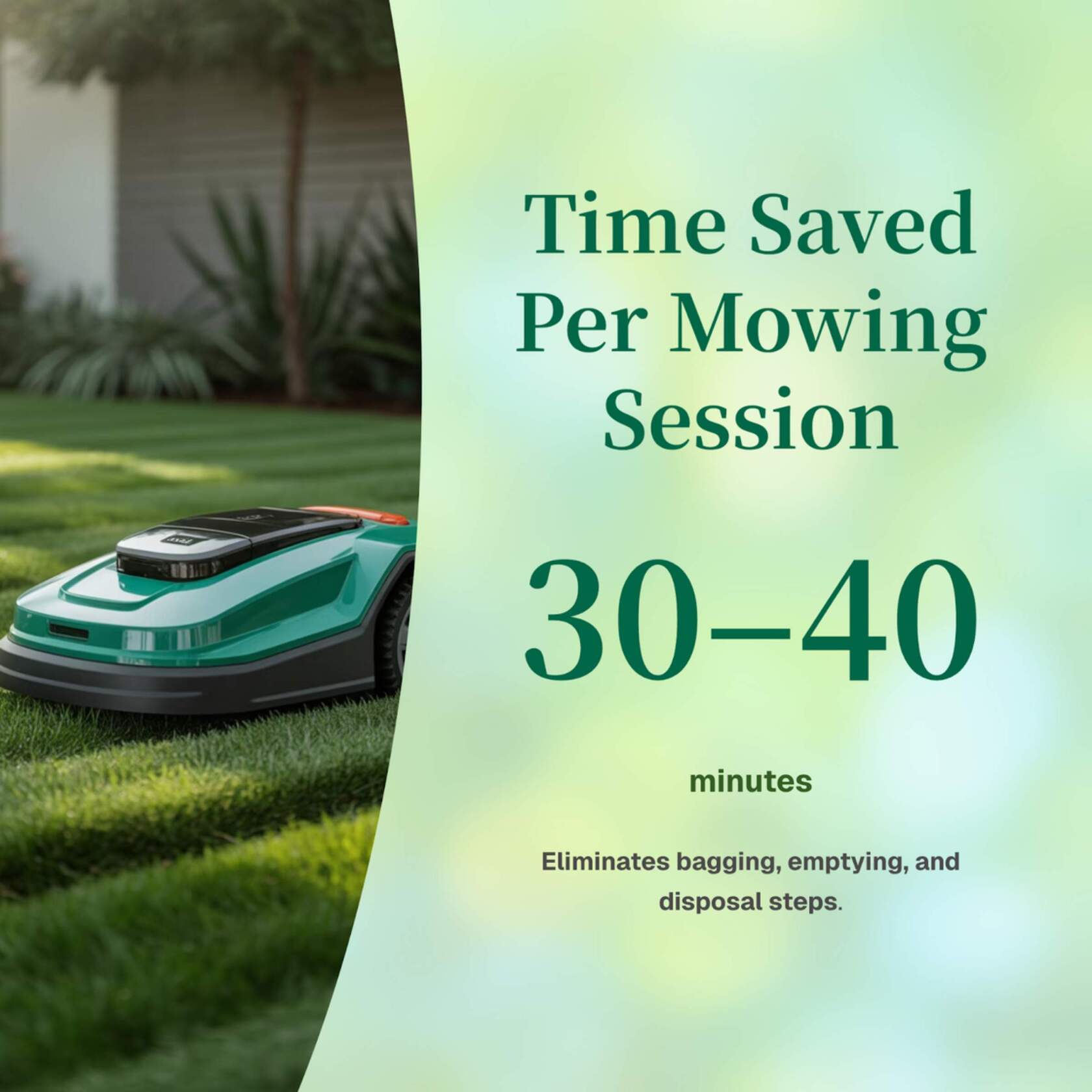
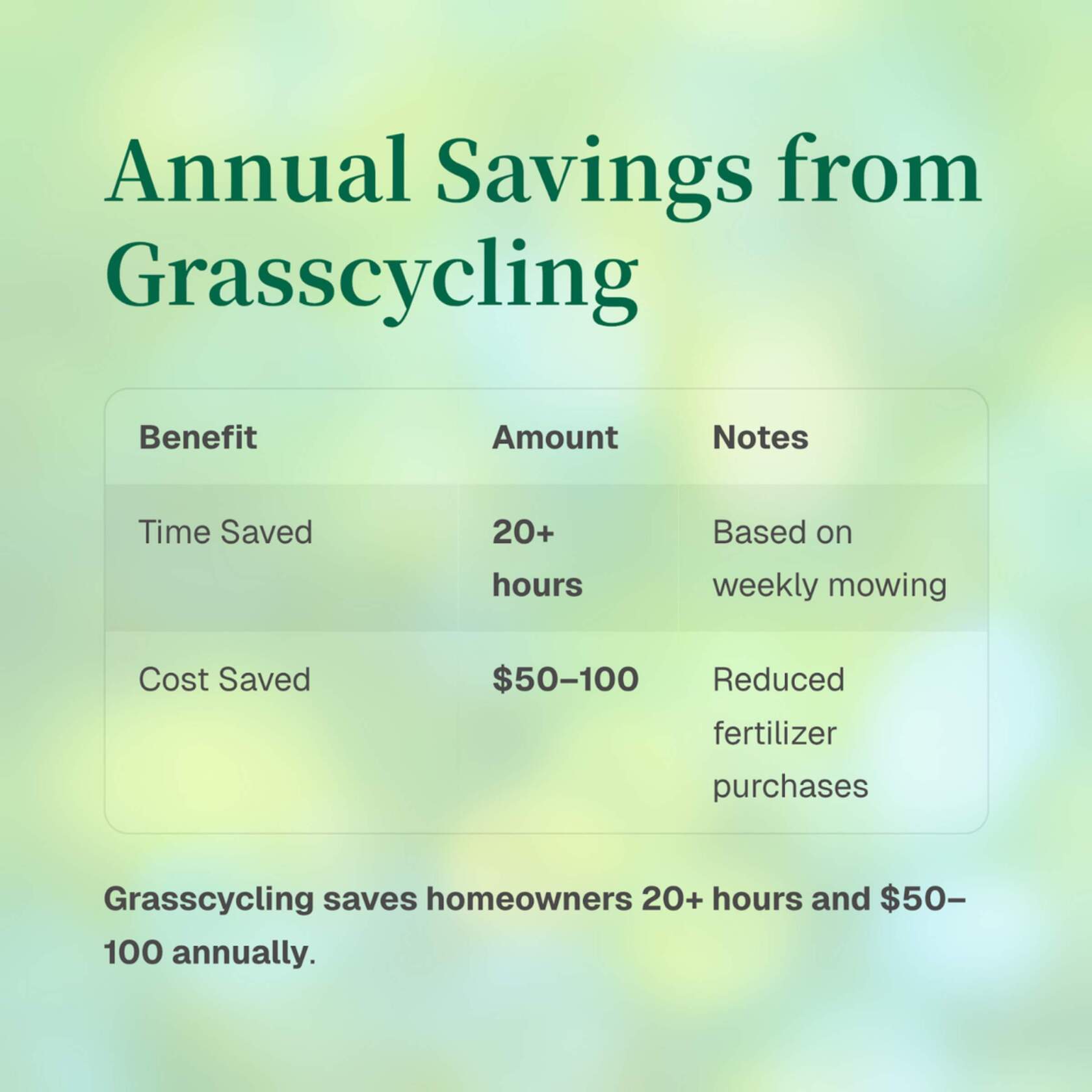
You also avoid the hassle of transporting heavy bags to the curb or composting area. For homeowners who mow weekly during the growing season, this adds up to 20+ hours saved per year.
Provides Free Fertilizer
Grass clippings return nutrients directly to your lawn. One season of grasscycling provides nitrogen equivalent to one fertilizer application.
Here's what a typical lawn receives from grasscycling:
Nutrient |
Amount per 1,000 sq ft per year |
Nitrogen |
1-2 lbs |
Phosphorus |
0.5 lbs |
Potassium |
1 lb |
This natural fertilization reduces or eliminates the need for synthetic fertilizers, saving $50-100 annually on lawn care products.
Reduces Waste
Yard waste makes up 13% of municipal solid waste in the United States.
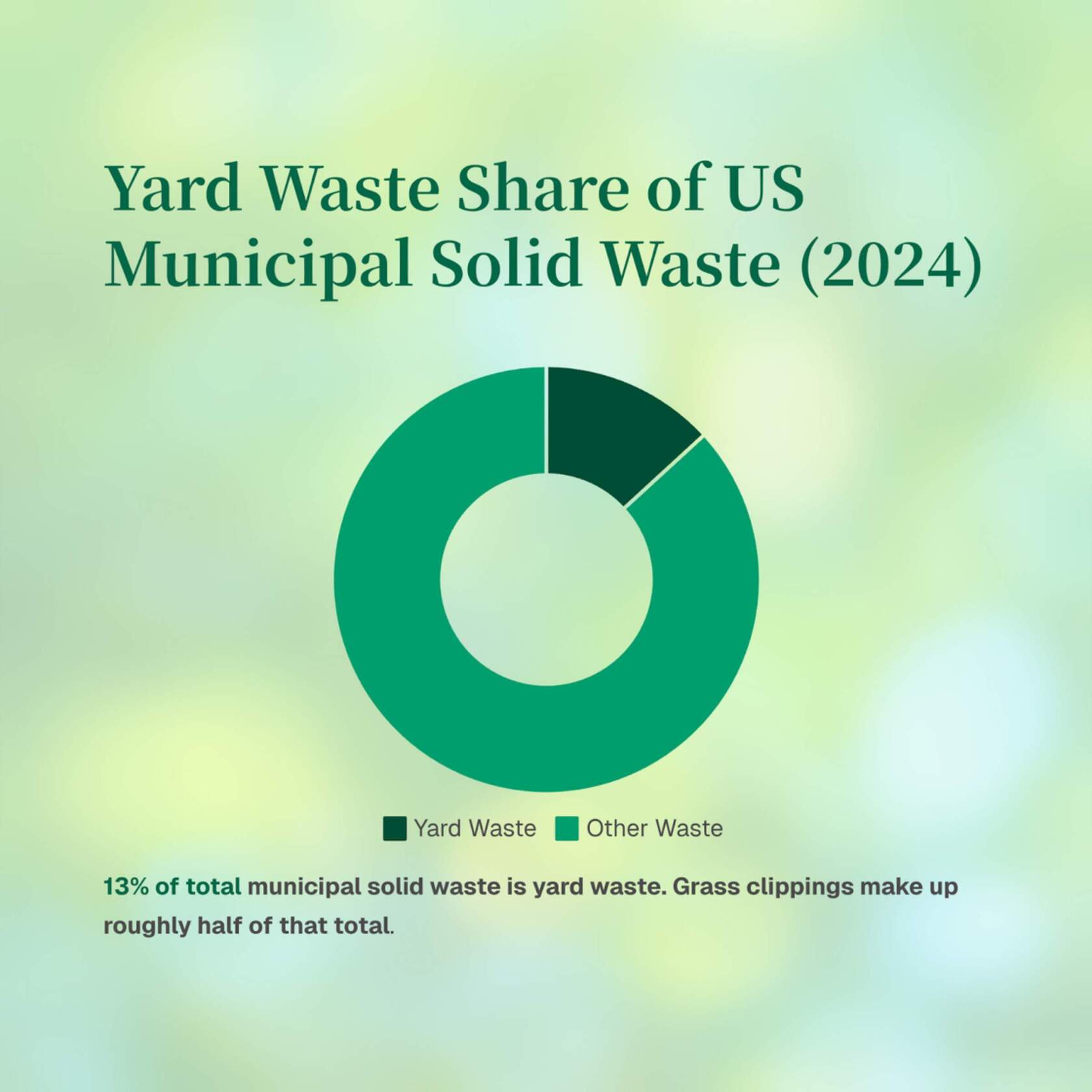
Grass clippings account for roughly half of that total.
Grasscycling diverts 300-500 pounds of organic material per year from landfills.
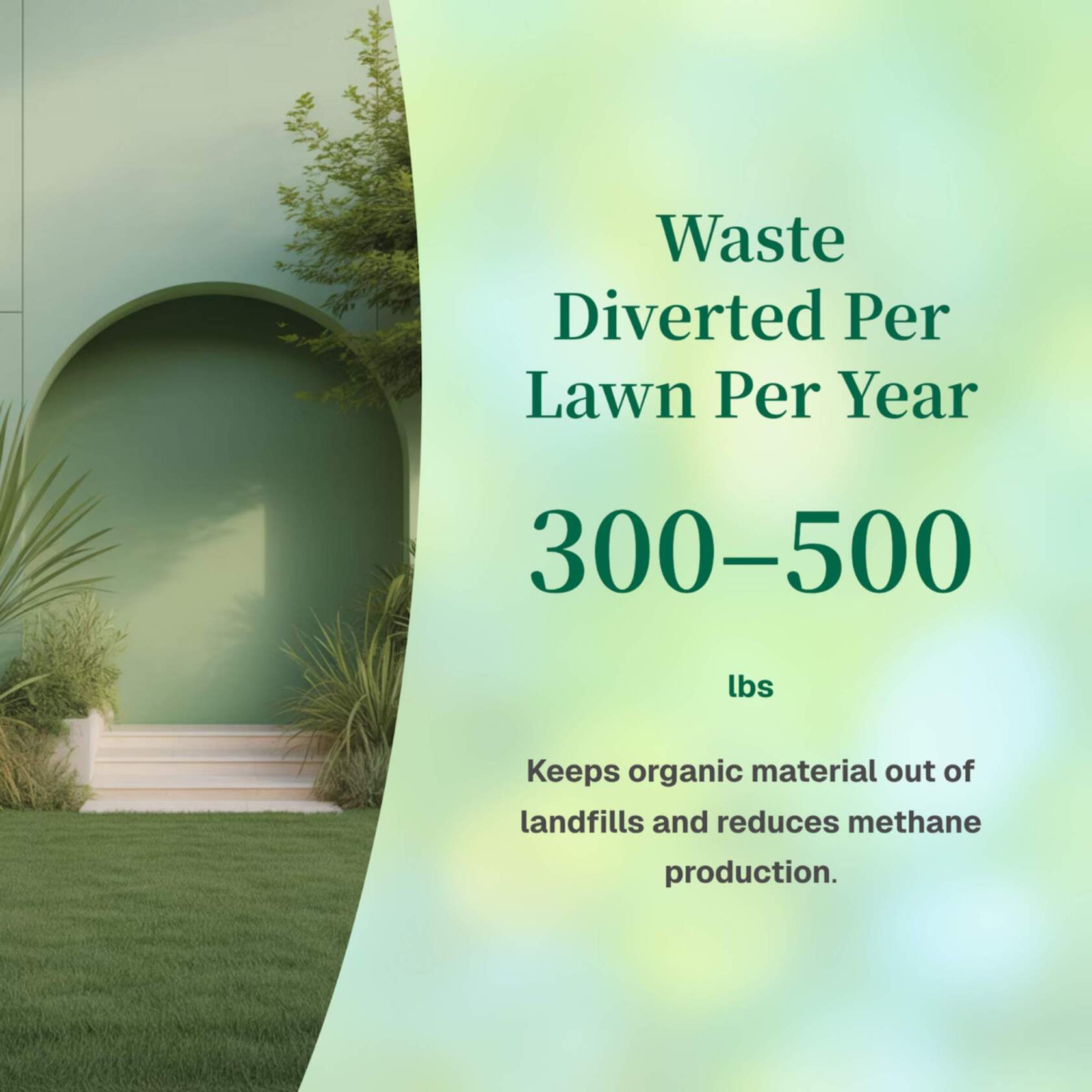
This reduces methane production from decomposing yard waste in landfills.
Improves Soil Health
The organic matter from decomposed clippings improves soil structure. Better soil structure means improved water retention and root growth.
Grasscycling also supports beneficial microorganisms in the soil. These microbes break down thatch and make nutrients more available to grass roots.
Keeps Lawns Greener
The steady nutrient release from decomposing clippings promotes consistent, healthy growth. Lawns that are grasscycled typically show deeper green color and more uniform appearance.
Unlike synthetic fertilizers that provide rapid but short-lived nutrient spikes, grasscycling delivers a slow, steady supply that matches grass growth patterns.
Common Grasscycling Myths
Myth: Grasscycling Causes Thatch Buildup
Grass clippings do not cause thatch. Thatch consists of roots, stems, and crowns, which decompose slowly. Grass blades decompose rapidly because they're mostly water.
Research from multiple universities confirms that grasscycled lawns have no more thatch than lawns where clippings are removed.
Myth: Clippings Spread Disease
Healthy grass clippings do not spread disease. Disease problems stem from poor mowing practices like cutting wet grass or removing more than one-third of the blade height.
If your lawn has an active fungal disease, you may want to bag clippings temporarily until the issue resolves. Otherwise, grasscycling poses no disease risk.
Myth: Clippings Make Lawns Look Messy
Properly done grasscycling is invisible. Fine clippings fall between grass blades and disappear from sight within days.
The key is using a sharp blade and mowing when grass is dry. Wet, overgrown grass produces visible clumps that take longer to break down.
When to Grasscycle (and When Not To)
Best Conditions for Grasscycling
Grasscycle when grass is dry and growing at normal height. The ideal conditions include:
Grass height below 4 inches
Dry weather (no morning dew or rain)
Removing no more than one-third of blade height
Sharp mower blades
Most lawns benefit from grasscycling throughout the growing season under these conditions.
When to Bag Instead
Bag clippings in these situations: If you hire a lawn service and you care about bagging vs mulching, read: Are Grass Clippings Included in Your Lawn Care Service? Are Grass Clippings Included in Your Lawn Care Service?
Overgrown grass: If grass exceeds 10 inches, the heavy clippings can smother the lawn. Either bag the first cut or make multiple passes, removing clippings each time.
Wet conditions: Wet grass clumps together and doesn't distribute evenly. These clumps can kill grass underneath by blocking sunlight.
Seeding or overseeding: Remove clippings for the first month after seeding to prevent smothering young seedlings. If you hire a pro, tell them up front whether you want mulching (grasscycling) by default, and when you want clippings bagged.
Active disease: Temporarily bag clippings if treating a fungal disease to avoid spreading spores.
Seasonal Considerations
Season |
Grasscycling Approach |
Spring |
Excellent time to grasscycle as growth is vigorous |
Summer |
May need to bag if grass grows too quickly or during heavy rain periods |
Fall |
Bag final mowing if heavy leaf coverage exists, otherwise grasscycle normally |
Winter |
Not applicable in most regions |
Tips for Effective Grasscycling
Mow at the Right Height
Keep grass at 2.5-3.5 inches depending on grass type. Taller grass shades soil, reducing weeds and retaining moisture.
Never remove more than one-third of the blade length in a single mowing. This "one-third rule" prevents stress and ensures clippings are small enough to decompose quickly.
Use a Mulching Mower
Mulching mowers have specially designed blades and deck shapes that cut grass into fine pieces. The deck keeps clippings suspended longer, allowing multiple cuts before they drop.
Standard mowers work for grasscycling, but mulching mowers produce finer clippings that decompose faster and look better.
Keep Blades Sharp
Sharp blades cut cleanly, while dull blades tear grass. Clean cuts heal faster and require less energy from the plant.
Sharpen mower blades 2-3 times per season, or roughly every 20-25 hours of mowing. Signs you need sharpening include ragged, brown blade tips.
Mow When Grass is Dry
Wet grass clumps together and clogs mower decks. Wait until morning dew evaporates before mowing.
Dry grass cuts more evenly and distributes better across the lawn. If you must mow damp grass, slow your pace and make more frequent passes.
Adjust Mowing Frequency
During peak growth periods, mow every 5-7 days to avoid removing too much at once. This ensures clippings remain fine and decompose quickly.
When growth slows in summer heat or fall, extend the interval to 10-14 days while maintaining the one-third rule.
Equipment Needed for Grasscycling
Mulching Mower
A mulching mower isn't required but produces the best results. These mowers typically cost $200-500 for walk-behind models.
Key features include:
Curved blades that lift and cut grass multiple times
Sealed deck that keeps clippings suspended
Special baffles that direct clippings through the blade path
Many standard mowers can be converted with a mulching blade and deck plug kit for $30-60.
Blade Maintenance Tools
You'll need equipment to keep blades sharp:
Blade removal wrench or socket set
Bench grinder or angle grinder ($40-150)
Blade balancer ($10-15)
Safety gloves and eye protection
Alternatively, many hardware stores offer blade sharpening services for $10-20 per blade.
Optional: Grass Catcher for Wet Days
Keep a grass catcher available for conditions when grasscycling isn't ideal. Switching between grasscycling and bagging based on conditions gives you maximum flexibility.
Getting Started with Grasscycling
Begin grasscycling gradually if you're used to bagging. Start with one or two mowings while conditions are ideal: dry grass, normal height, sharp blades.
If you notice clumping or visible clippings, adjust your approach. Mow more frequently, slow your pace, or wait for drier conditions.
Most homeowners see results within 2-3 weeks as the first batch of clippings decomposes. The lawn typically looks greener and grows more evenly.
Ready for Professional Lawn Care?
If you'd prefer professional help maintaining your lawn, GreenPal connects you with vetted lawn care providers in your area. Get free quotes from multiple professionals, compare ratings and pricing, and choose the best fit for your needs. Most homeowners receive quotes within 15 minutes, and next-day service is often available.
Contact us to get started with free quotes from local lawn care professionals who understand the best practices for your region.


