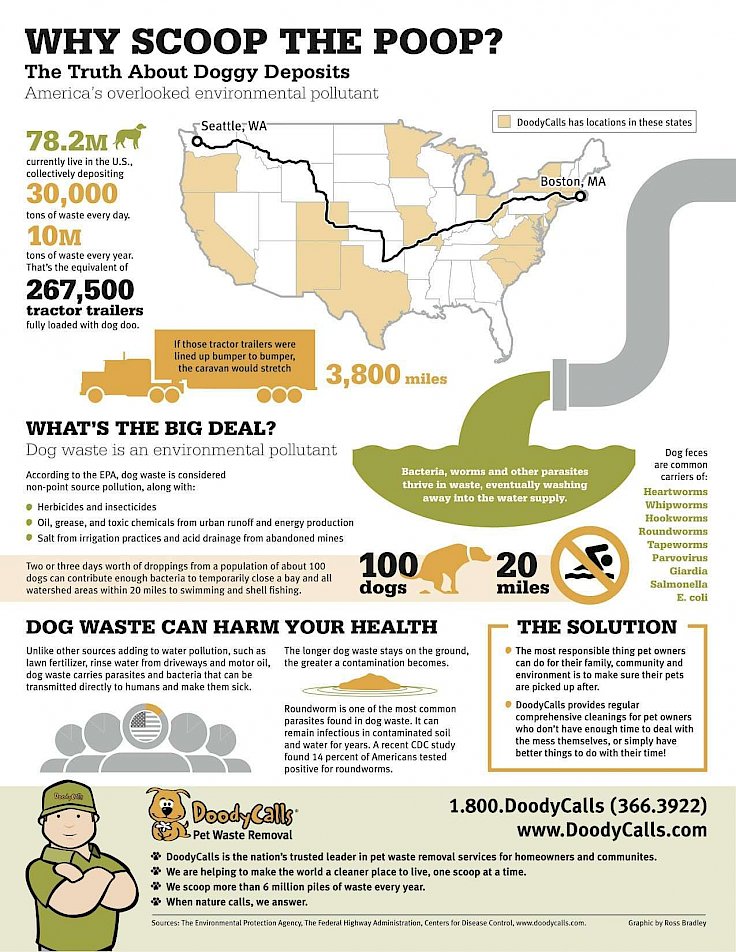
 Dog Poop Doesn’t Simply Disappear! Clean it up!


How Much Does Tree Trimming Cost in 2026?
by Gene Caballero | July 27, 2026
How Much Does Tree Trimming Cost in 2026?
Professionally trimming a single tree costs about $475 on average in 2026, and most homeowners pay somewhere between $85 and $1,700 depending on the tree. A small ornamental tree you can reach from the ground sits at the low end. A tall oak or pine leaning over your roof sits at the high end. The price is set by the tree service you hire, and it changes depending on how big the tree is, how hard it is to reach, and how much cleanup the job leaves behind.
At GreenPal, we connect homeowners with local lawn care pros across the country, so we spend a lot of time helping first-time homeowners figure out what outdoor work should cost and how to hire it without overpaying. GreenPal is a lawn care platform, so tree trimming isn't something you'd book through us. But the smart way to hire tree work is the same careful way we help homeowners hire lawn care, and this guide covers both the numbers and the hiring.
Average Tree Trimming Cost by Tree Size
Tree height and canopy size are the biggest drivers of what you'll pay, because a taller tree means more risk, more specialized equipment, and more time on site. Tree services usually price residential jobs as a flat per-tree rate rather than by the hour, though some quote $25 to $80 per hour per crew member for smaller side work. Per-tree trimming costs in 2026 break down by size like this, according to Forbes.
Tree size |
Height |
Typical 2026 trimming cost |
What the job usually involves |
Small |
Under 30 feet |
$85 to $400 |
Pole saws, ladders, minimal rigging |
Medium |
30 to 60 feet |
$150 to $775 |
A bucket truck or a single climber with ropes |
Large |
Over 60 feet |
$325 to $1,700 |
Cranes, multiple climbers, advanced rigging |
A crepe myrtle in the front yard and a 70-foot pine out back aren't the same job, and a fair quote will reflect that difference.
What Affects the Cost of Tree Trimming
Two trees of the same height can still get very different quotes.
A tree service weighs several factors when it prices your job, and knowing them lets you read an estimate and judge whether it's reasonable.
Access and what sits under the tree
If a tree stands alone in an open yard, branches can be dropped straight to the ground. If it hangs over your roof, a fence, a neighbor's property, or power lines, each limb has to be roped off, cut, and lowered by hand. That controlled lowering takes more people and more time, and it can add 25% to 50% to the price. Tight access, like a backyard gate too narrow for equipment, pushes the cost up for the same reason.
Tree species
Species affects price because wood density, sap, and growth habit change how long the work takes. Dense hardwoods like oak wear down cutting equipment and force climbers to move out along wide, horizontal limbs. Tall softwoods like pine reach extreme heights and ooze sap that gums up ropes and saws. The rough breakdown by common species, according to Forbes, looks like this.
Tree |
Typical 2026 trimming cost |
Why it costs what it does |
Crepe myrtle |
$85 to $475 |
Short, with thin branches that are easy to manage |
Palm |
$450 to $1,100 |
The crew has to climb the trunk to reach dead fronds at the top |
Cypress |
$475 to $1,150 |
Tall, but a narrow shape keeps it below the priciest trees |
Oak |
$450 to $1,400 |
Dense wood and a wide, sprawling canopy |
Pine |
$300 to $1,700 |
Very tall, with heavy sap that fouls equipment |
Tree health and storm damage
A dead, diseased, or storm-damaged tree is more dangerous to work on, because climbers can't safely anchor their ropes to rotting wood. The danger often means the crew brings in an aerial lift or works from a neighboring tree, which typically adds $30 to $300 to the job. Storm cleanup and hazardous limb work almost always cost more than routine trimming.
Number of trees
Trimming several trees in one visit usually lowers the per-tree price, since the crew only has to mobilize once. If you have a row of trees along a property line, ask for a bundled quote instead of pricing them one at a time.
Debris haul-away
Trimming a mature tree can leave thousands of pounds of limbs and leaves behind. Base quotes don't always include hauling that off, so read the estimate closely. Full debris removal and disposal usually runs $100 to $600 depending on the volume. If you'd rather keep the wood chips for your beds or have larger logs cut into firewood, that's normally priced separately.
Season and emergency work
Late winter and early spring, when trees are dormant, is the best time for heavy pruning, and it's often the cheapest.
Demand is lower in the off-season, and crews want to keep working, so quotes can come in lower. Emergency work runs the other direction. A limb down on your roof after a storm means an urgent, high-risk call, and it's priced accordingly.
Tree Trimming vs. Tree Removal and Stump Grinding
Trimming, removal, and stump grinding are three separate jobs at three very different prices, even though it's easy to assume one quote covers all three. Trimming keeps a healthy tree in good shape. Removal takes the whole tree down and costs far more. Stump grinding deals with what's left in the ground and is almost always billed on its own.
Tree removal in 2026 averages about $906, with most non-emergency jobs falling between $820 and $992, according to This Old House. Very large trees over 80 feet can run $1,000 to $2,000, and emergency removal after a storm can run as high as $5,000. If a company quotes you for "taking care of the tree," get them to spell out whether that means trimming or full removal.
Tree size |
Height |
Typical 2026 removal cost |
Small |
Up to 30 feet |
$150 to $450 |
Medium |
30 to 60 feet |
$450 to $1,200 |
Large |
60 to 80 feet |
$800 to $1,500 |
Extra large |
Over 80 feet |
$1,000 to $2,000+ |
Stump grinding runs about $340 on average, with most jobs between $75 and $500. Many services charge $2 to $5 per inch of stump diameter and set a minimum trip fee of $75 to $100, since they have to haul a grinder to your property either way.
When You Can Trim a Tree Yourself, and When to Call a Pro
Some light pruning is a reasonable weekend job. Anything that involves height, a chainsaw off the ground, or power lines should go to a professional.
You can safely handle small branches you can reach with both feet on the ground, using hand pruners, loppers, or a manual pole saw, generally on limbs under about an inch and a half thick. When you cut a heavier limb, use a three-cut method to protect the tree: an undercut first, then a top cut farther out to drop the weight, then a clean final cut at the branch collar so the bark doesn't tear down the trunk.
Call a professional the moment the job needs a ladder, a chainsaw above shoulder height, or work anywhere near power lines. Tree work is one of the most dangerous jobs in the country. The fatality rate for tree trimmers runs roughly 30 times higher than the average American job, according to Concentra, and only a certified line-clearance pro should ever work within about 10 feet of a power line.
For a first-time homeowner, the money you might save doing that work yourself isn't worth the risk.
How to Hire a Tree Service Without Getting Burned
Hiring a tree service is where most of the anxiety lives for new homeowners, and it's worth slowing down. Because tree work is dangerous and carries real liability, vetting the company matters more than for almost any other yard job. A few steps protect you.
Get several written quotes. Prices for the exact same work vary a lot from one company to the next, so getting three or so estimates gives you a real sense of the market rate. Make sure every quote covers the same scope, including cleanup, so you're comparing like for like.
Confirm insurance before anyone starts. A legitimate tree service carries general liability insurance, commonly $1 million per occurrence, plus workers' compensation. If a crew member is hurt on your property and the company has no workers' comp, you can end up on the hook. Ask for a current certificate of insurance rather than taking "we're insured" at face value. This is the same insurance question we tell homeowners to ask any outdoor pro.
Look for a certified arborist on anything large or hazardous. An arborist certified by the International Society of Arboriculture is trained in proper pruning and will refuse to "top" a tree, the practice of cutting the main trunk back to stubs. Topping weakens the tree and forces out weak new growth that breaks easily in later storms.
Check local permit rules. Some cities and towns regulate tree work, especially for large or protected trees, so a quick check with your municipality can keep you out of trouble.
Watch for the usual contractor red flags. Door-to-door pressure after a storm, a demand for full payment upfront, and no verifiable business address are all reasons to walk away. Our guide to spotting contractor scams covers what else to look for.
Getting several bids from vetted local pros and comparing them before you commit is simply the right way to hire outdoor work, whether it's a one-time tree job or the everyday lawn care you set up next.
Take the Recurring Yard Work Off Your Plate
The trees are usually a once-in-a-while expense. The mowing, edging, and seasonal cleanups are what you deal with all season, and that's where we come in. At GreenPal, we run that exact "get several bids from vetted local pros" process for your lawn care, and it's free for homeowners.
The process takes about a minute. You enter your address, tell us about your yard, and local lawn care pros bid on the job. You get up to five competitive quotes, often within minutes, and you compare prices, ratings, and reviews before you choose anyone. Every pro is vetted before they can bid through a process we call auditioning, which includes an equipment check, customer references, a business credit check, and identity verification. They have to keep strong ratings to keep getting work. You pay the lawn company you hired after the job is done and confirmed with photo proof, not before.
We've been doing this since 2012. Today more than 1 million homeowners and 45,000+ vetted lawn care pros use GreenPal across 250+ markets in all 50 states, and the platform holds a 4.6 out of 5 rating on Trustpilot. GreenPal was built by people who came out of the lawn care industry, including a founder who grew and sold a landscaping company, so it's designed around how hiring outdoor help actually works. To be clear, tree trimming is handled by the tree service you hire, and the prices in this guide are set by those companies. What we help with is the ongoing lawn care that keeps your new yard looking sharp, which also happens to be one of the simplest ways to boost your home's curb appeal. If you want a sense of what that runs, our lawn mowing cost guide breaks it down.
When you're ready to hand off the recurring yard work, get free quotes from lawn care pros near you and pick the one that fits your yard and your budget.





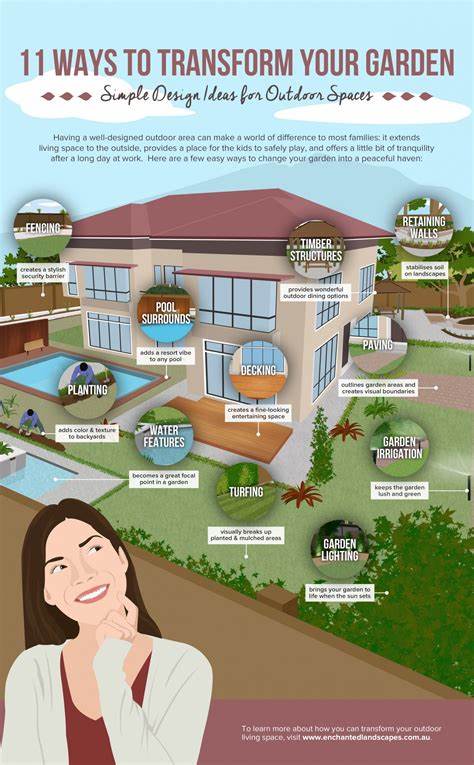

 How to start a lawn care or landscaping website on WordPress (Illustrated)
by Gene Caballero | December 01, 2023
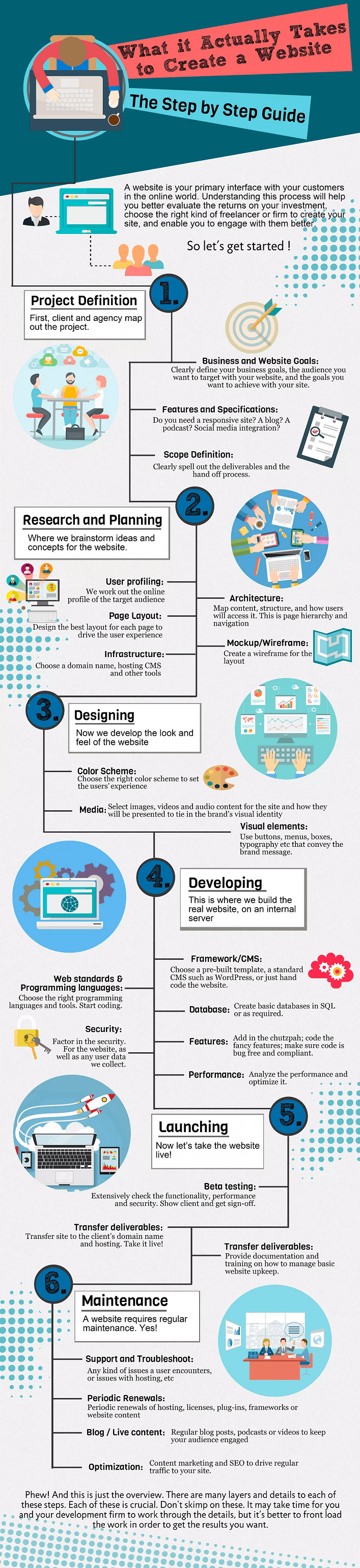 What does it take to start a website for my lawn care company?
by Gene Caballero | December 03, 2023
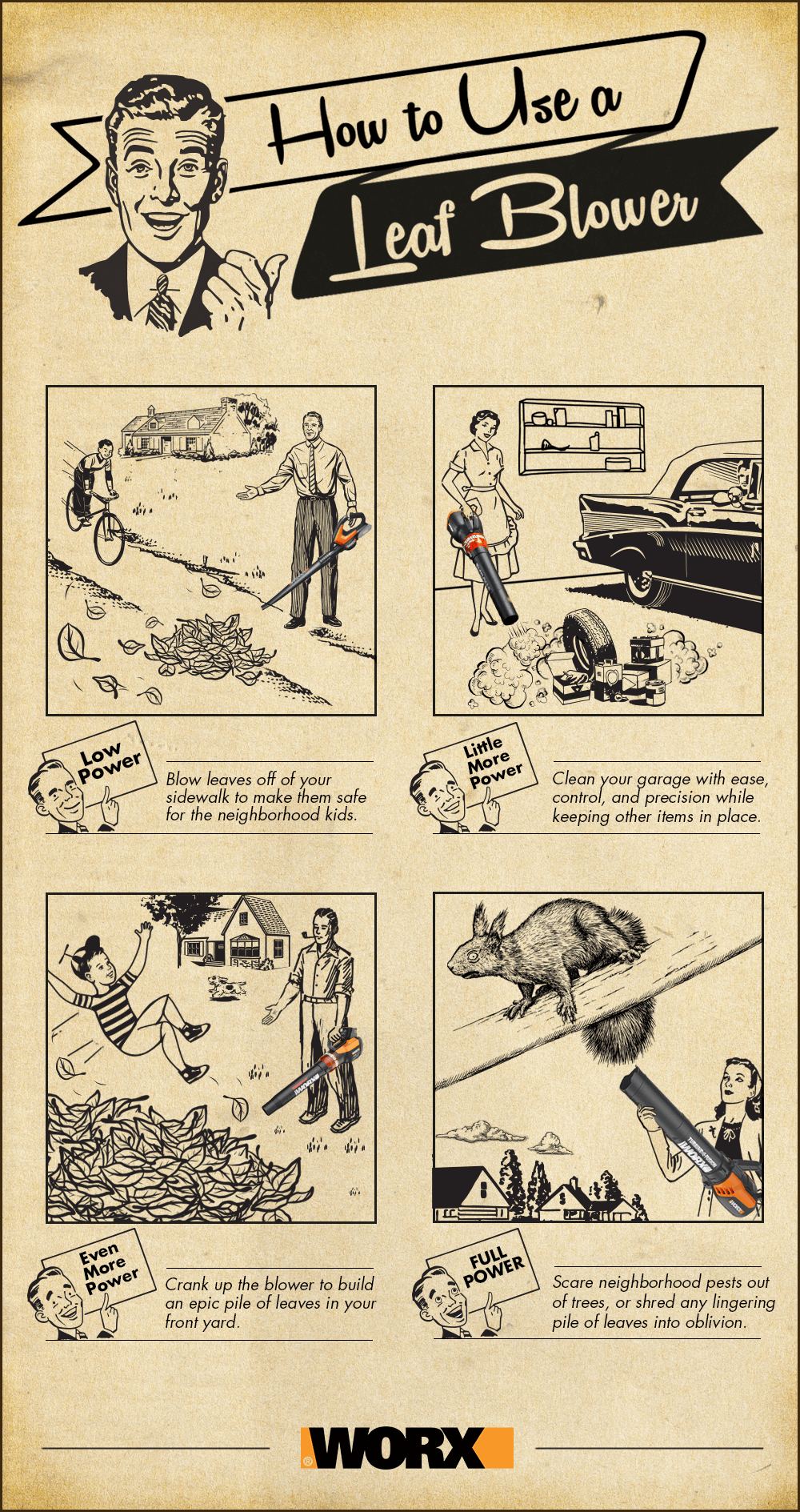

 The First Electric Weed Eater (An Illustrated Advertisement from 1977)
by Gene Caballero | January 12, 2024
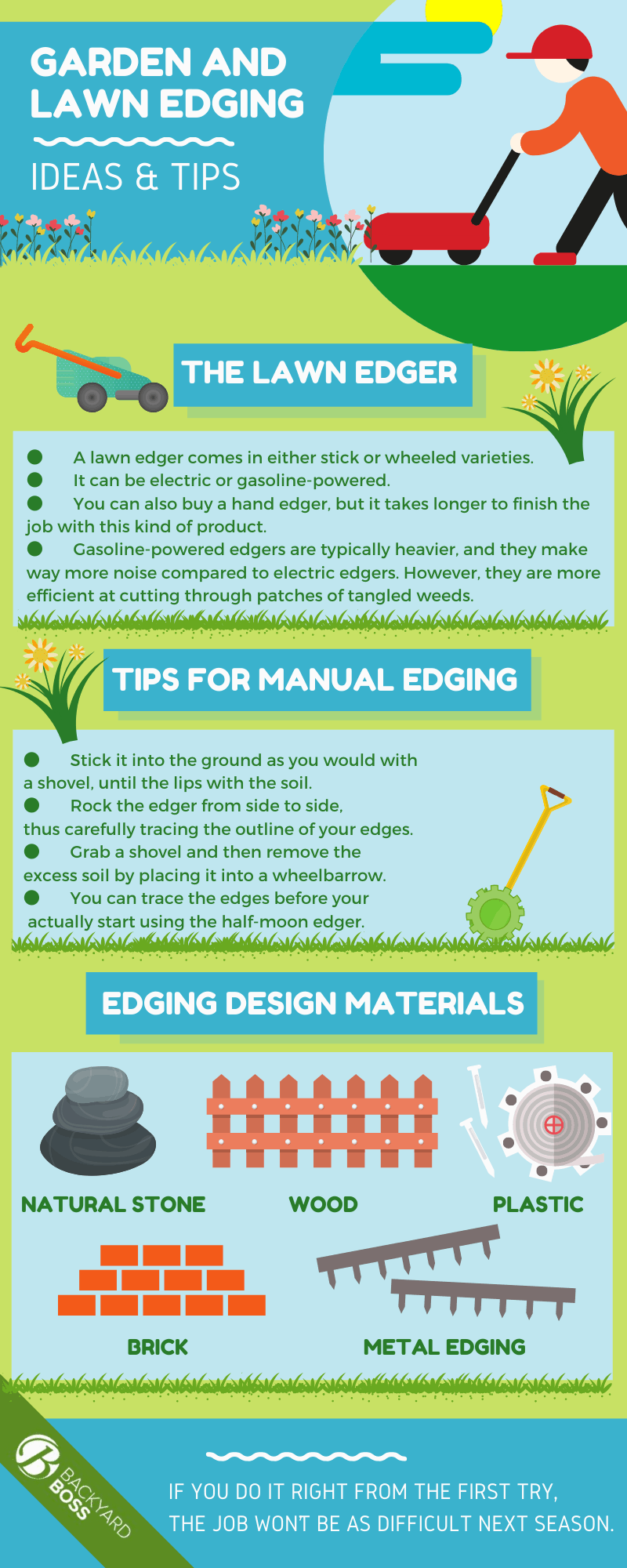
 Year-Round Lawn Care Guide: Seasonal Tips for a Perfect Lawn (Infographics)
by Gene Caballero | March 09, 2026


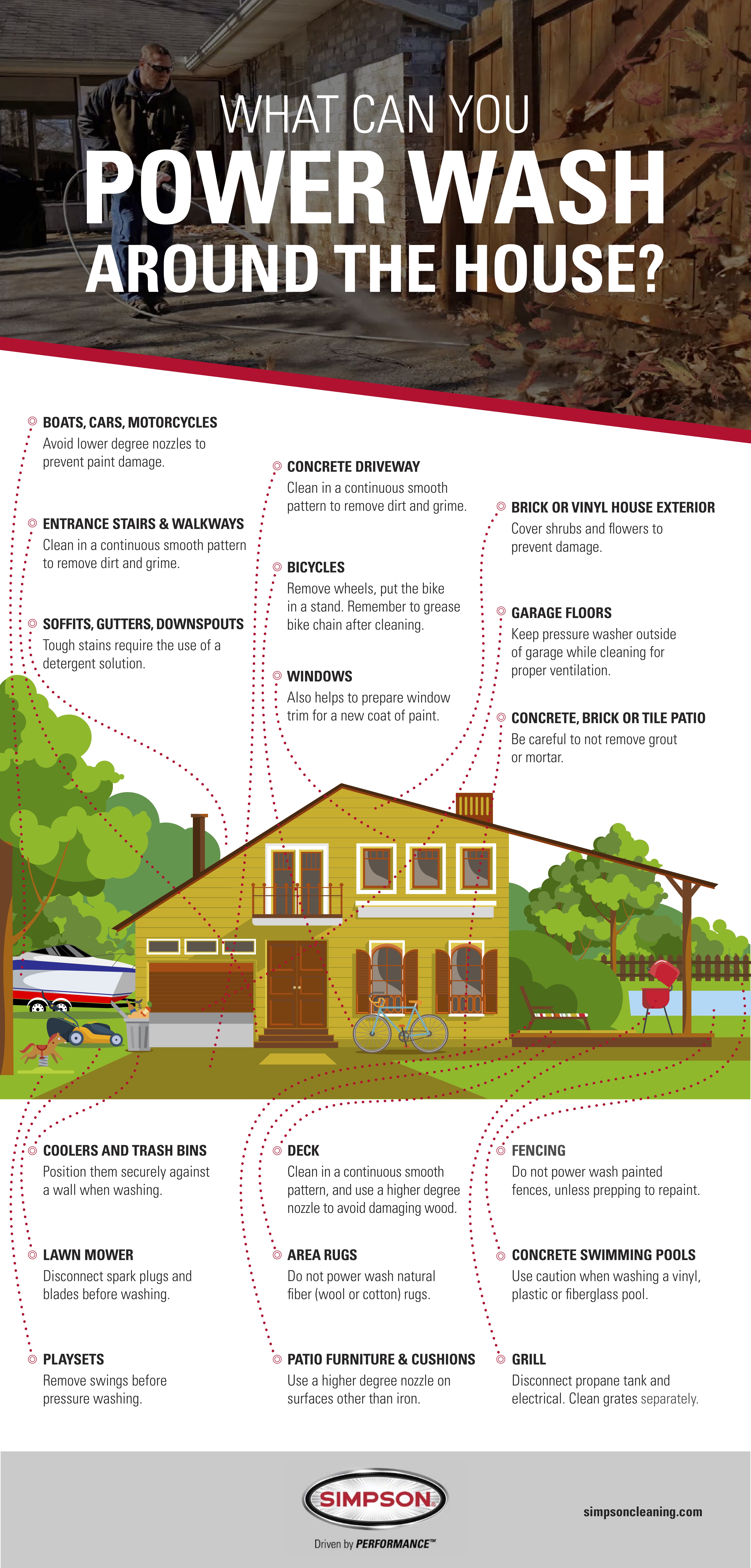 Powerwashing your Home- What can be pressurewashed? (Illustrated)
by Gene Caballero | January 12, 2024

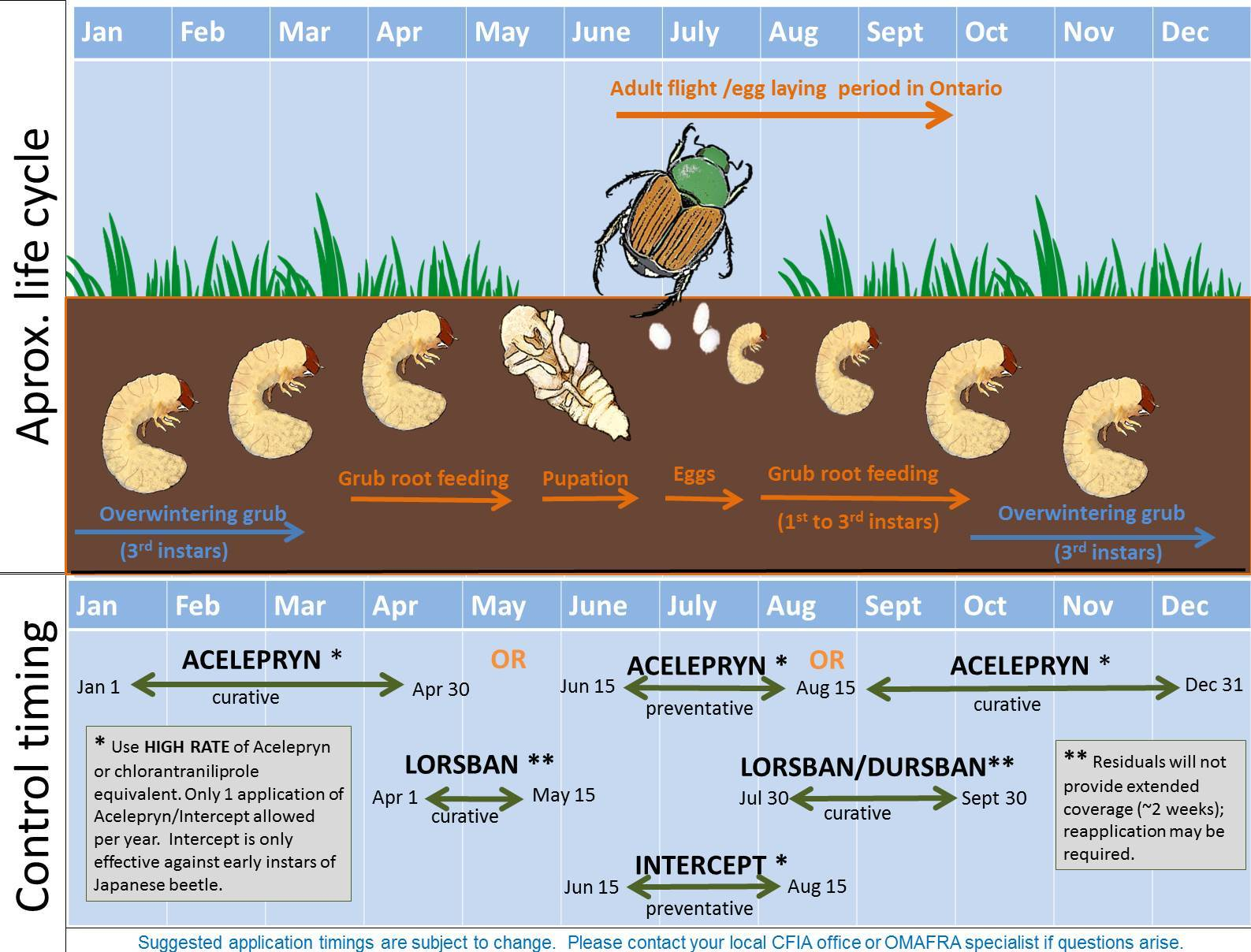 The Life Cycle of the Japanese Beetle and the Pesticides that Kill Them
by Gene Caballero | December 14, 2023