 How to Care for Bermudagrass in Texas


TruGreen Alternatives: Other Lawn Care Services to Consider (2026)
by Gene Caballero | July 23, 2026
TruGreen Alternatives: Other Lawn Care Services to Consider in 2026
If you are shopping for TruGreen alternatives, the options fall into four groups: other national treatment chains and franchises, local independent lawn care companies, DIY subscription programs you apply yourself, and hiring a vetted local pro through an on-demand marketplace. The right choice depends less on which brand replaces TruGreen and more on what kind of lawn care you actually want.
At GreenPal, we have helped more than 1 million homeowners since 2012 connect with local lawn care pros, and the question we start with is whether you want lawn treatments or you want someone to mow and maintain the yard for you. TruGreen is built for treatments. Most of the alternatives below are better suited to hands-on work like mowing and cleanup.
What TruGreen Is and What It Does Not Do
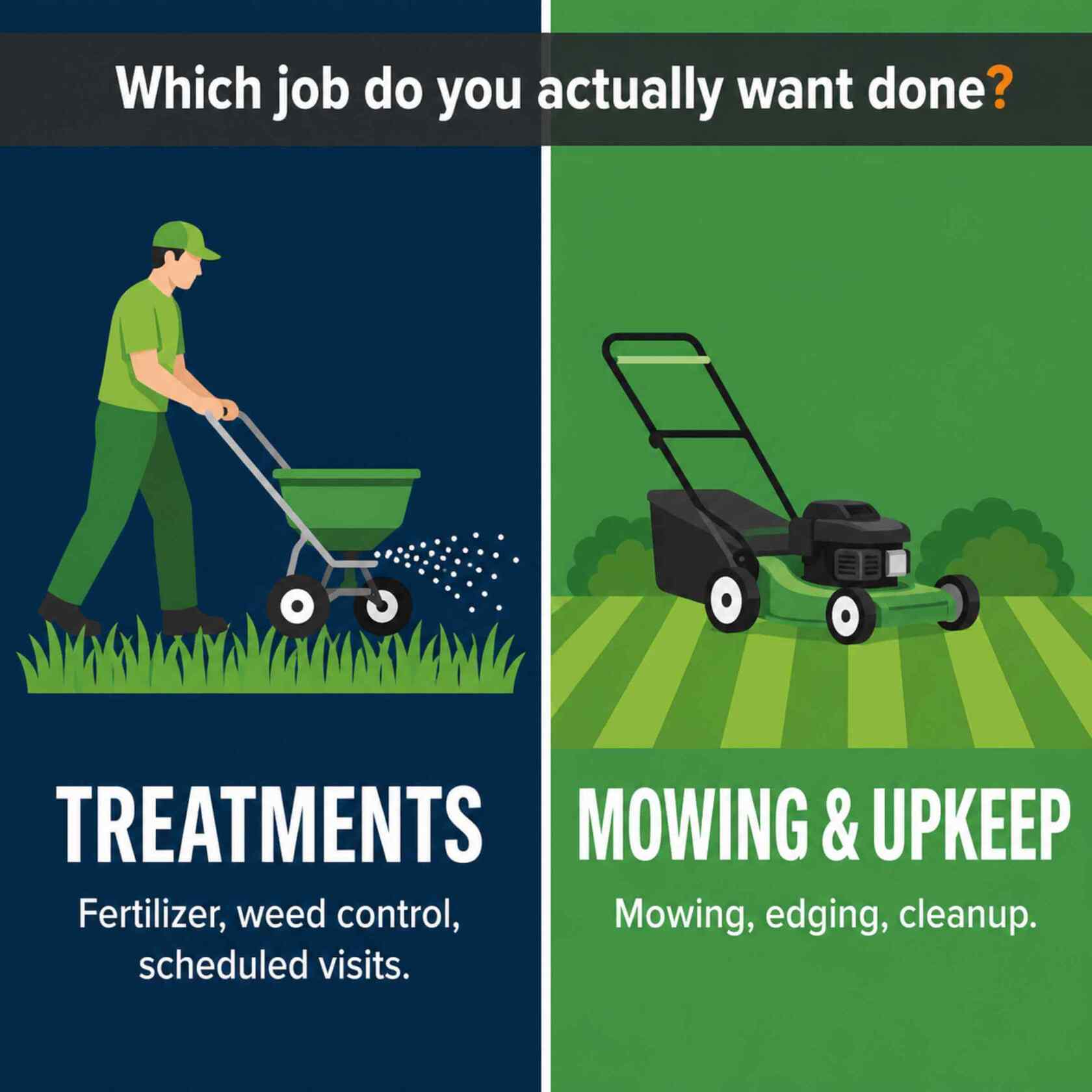
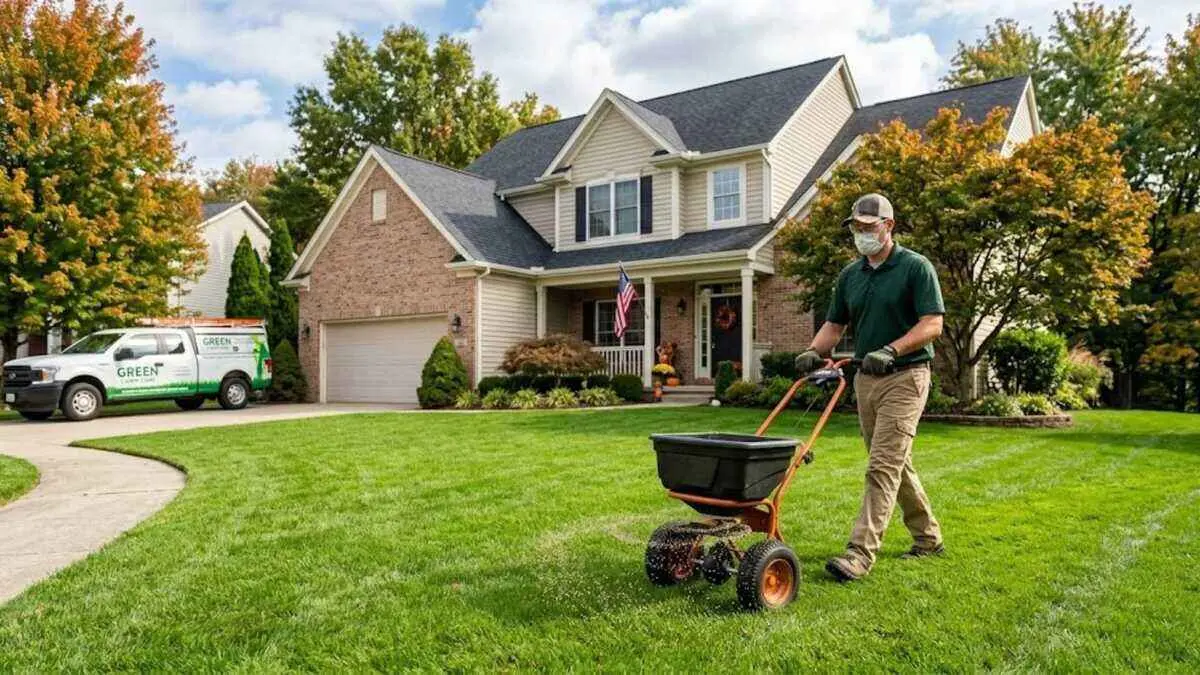
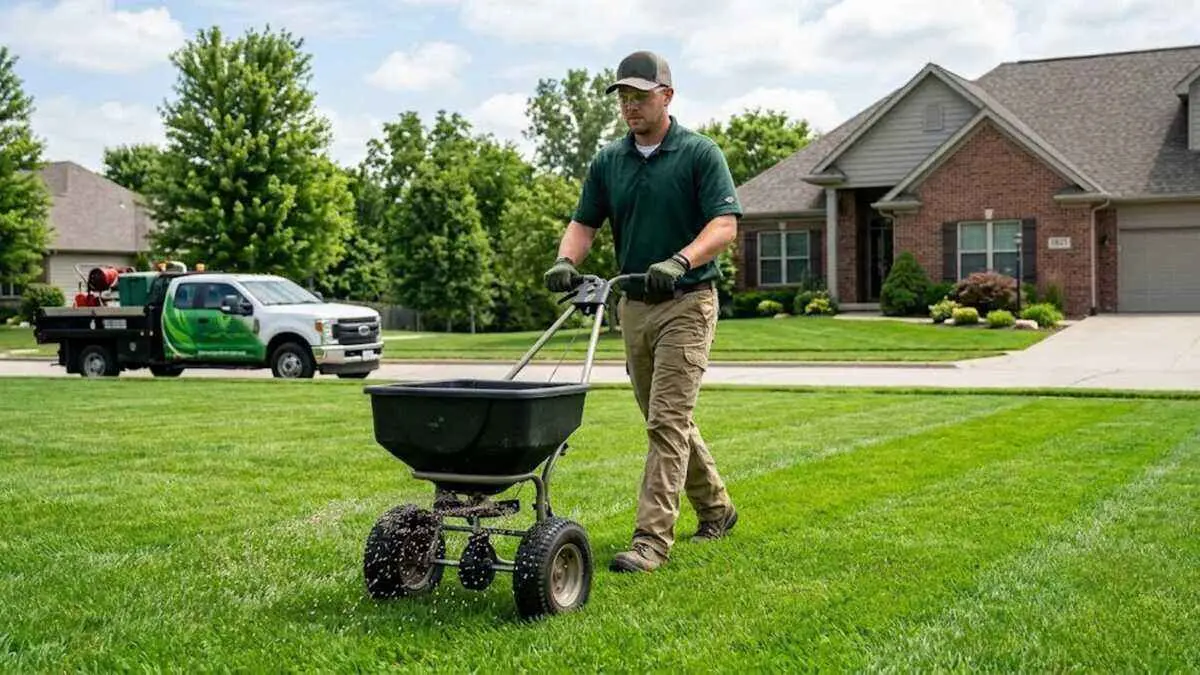
TruGreen is a national lawn treatment company. Its core offering is a set of recurring annual programs built around fertilization and weed control, with higher tiers adding services like insect control, soil enhancement, aeration, and overseeding, plus optional add-ons such as mosquito control and tree and shrub care. According to This Old House, those programs run as scheduled treatment visits every four to six weeks.
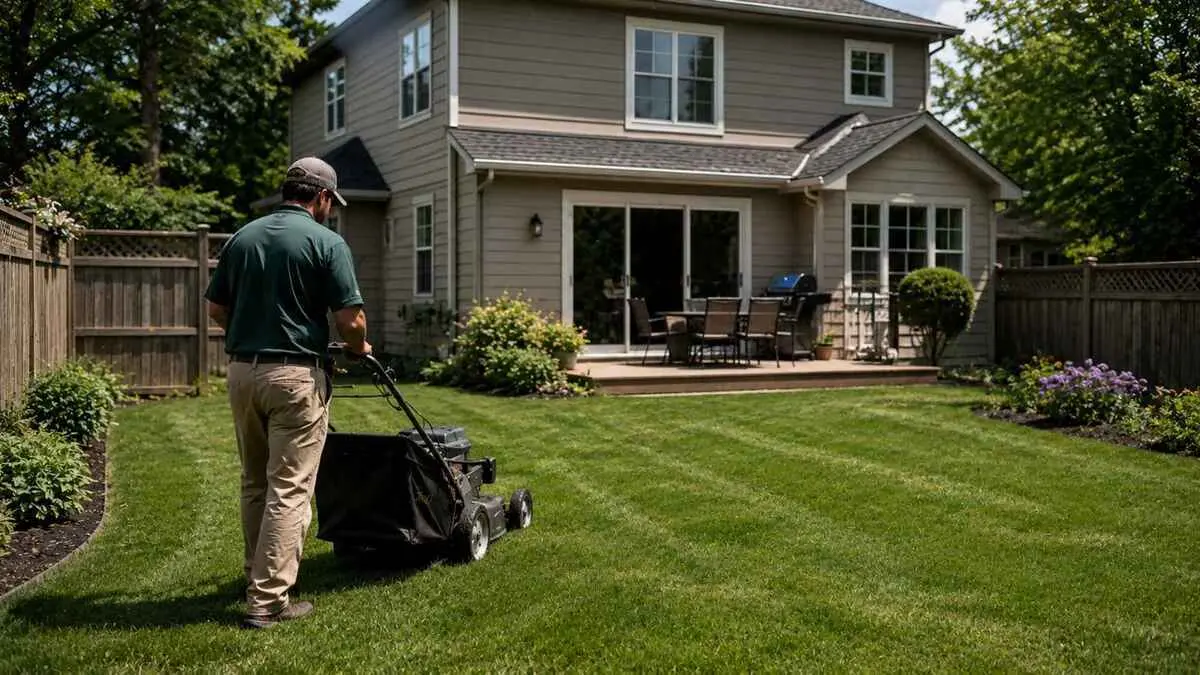
TruGreen does not mow, which surprises a lot of shoppers. Forbes Home notes plainly that TruGreen is a good fit for homeowners who do not mind cutting their own grass. So if your reason for looking around is that you want the mowing, edging, and cleanup handled, you are really shopping for a different type of service, not a cheaper version of TruGreen.
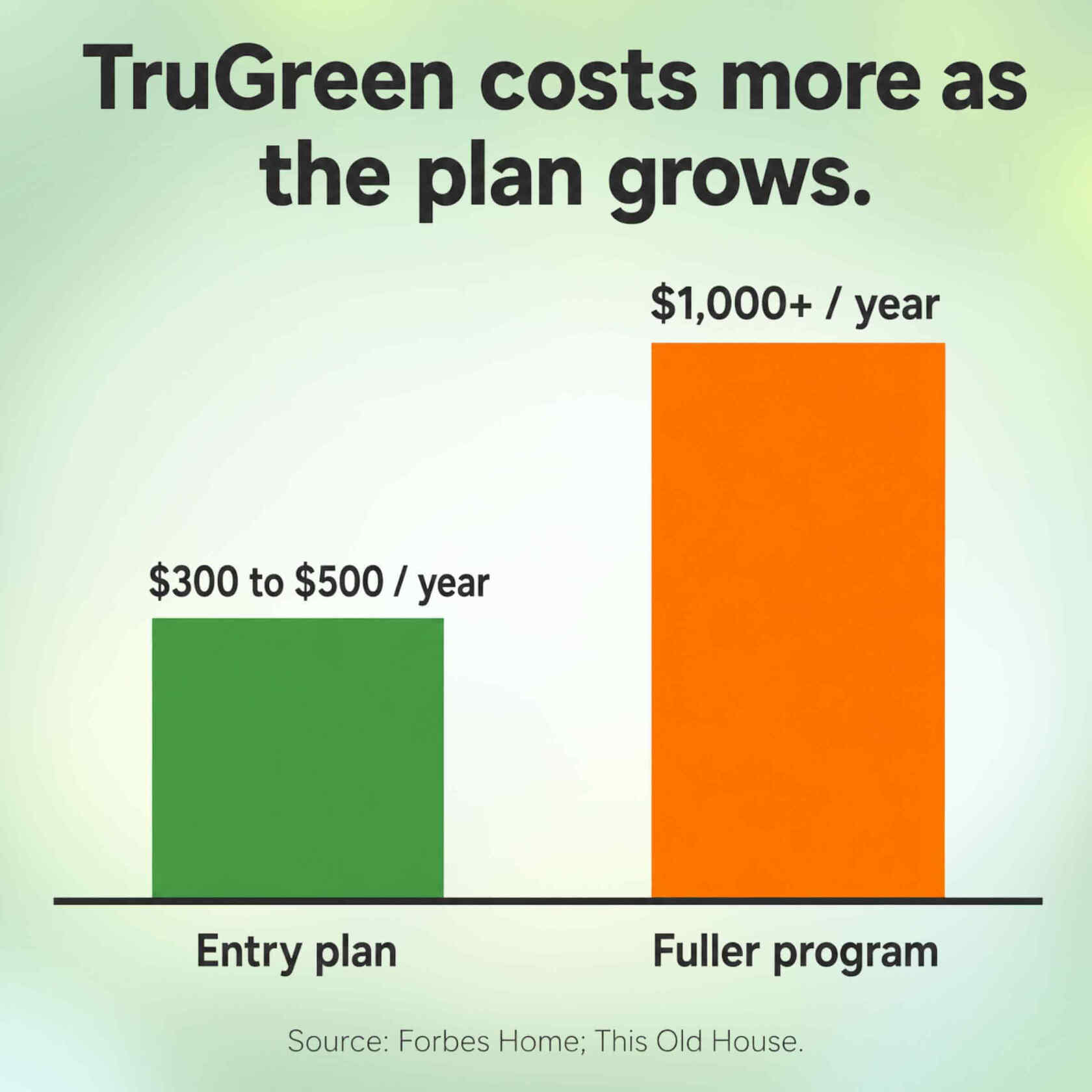
On price, entry-level annual plans start around $300 to $500 depending on tier and yard size, per Forbes Home. Fuller programs on a typical suburban lawn can run closer to $1,000 or more once add-ons are included. TruGreen is available across most of the United States, though current third-party reviews differ on the exact number of states served. If you want a closer look at the tradeoffs, we broke them down in Is TruGreen Worth It?.
Why Homeowners Look for TruGreen Alternatives
People leave or skip TruGreen for a handful of practical reasons, and most of them come down to fit rather than any single complaint.
They want the work done, not just the chemicals. TruGreen treats the lawn; it does not cut it. Homeowners who want mowing, trimming, and seasonal cleanup need a service model that includes labor.
They prefer to avoid bundled annual plans. TruGreen sells recurring programs. Some homeowners would rather pay per visit or arrange service as they go, without committing to a full-season package.
They want something more local or personalized. ConsumerAffairs notes that local companies often understand regional conditions better and can tailor recommendations to your specific yard.
Cost and budget flexibility. A standardized program is predictable, but it is not always the cheapest way to get the specific work a lawn needs.
None of this means TruGreen is a poor service. For a homeowner who mainly wants a consistent, science-based treatment schedule under one national brand, it can be a sensible choice. The alternatives cover several different jobs, so it helps to match the model to the job you need done.
The Four Types of TruGreen Alternatives
This table shows how the four models compare on the factors that usually matter most.
Alternative type |
Typical cost basis |
Contract |
Handles mowing and upkeep? |
Handles treatments? |
Best for |
Vetted local pro via a marketplace like GreenPal |
Per job, set by the provider |
No long-term contract |
Yes |
Arranged directly with the pro |
Homeowners who want mowing and upkeep handled without a contract |
National treatment chains and franchises |
Bundled annual programs |
Often a season-long plan |
No (treatments only) |
Yes |
Homeowners who want a standardized treatment schedule |
Local independent companies |
Per visit or custom quote |
Varies by company |
Often yes |
Sometimes |
Homeowners who want a tailored, local relationship |
DIY subscription programs |
About $39/month or $140+/year |
No |
No (you apply it) |
Yes, applied by you |
Budget-focused homeowners who do not mind the work |
Hiring a Vetted Local Pro Through an On-Demand Marketplace

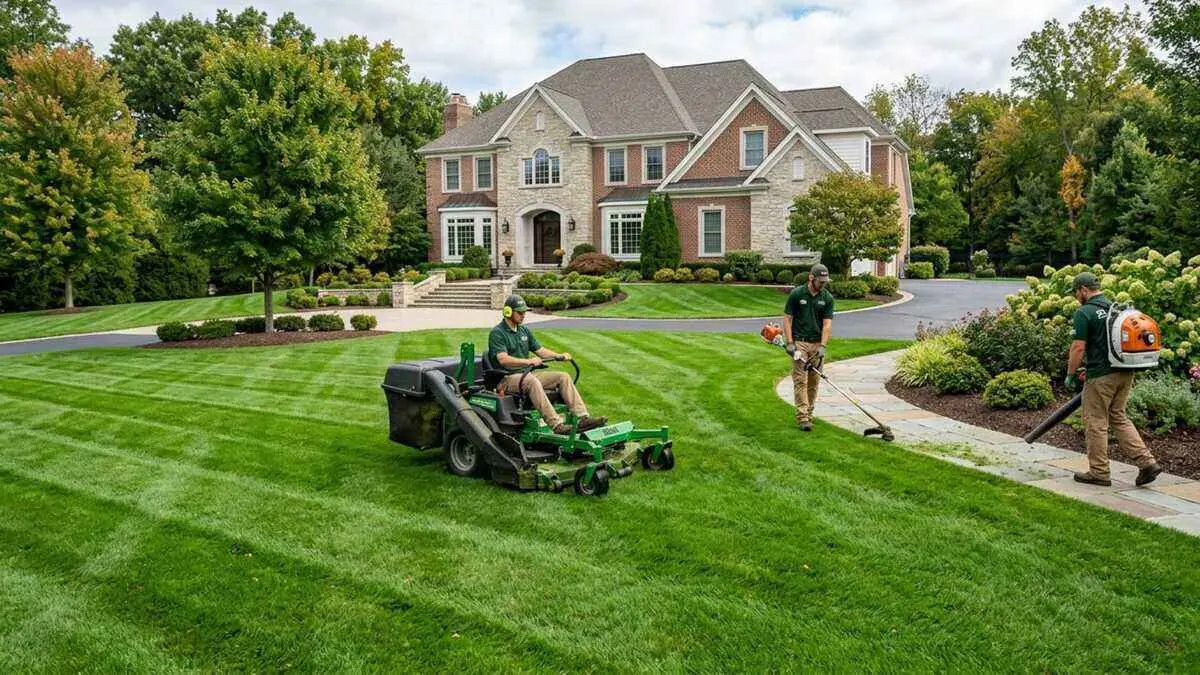
If what you want is mowing, ongoing maintenance, and seasonal cleanup handled for you, without a long-term contract, an on-demand marketplace is usually the closest fit. This is the route GreenPal is built for.
GreenPal is a platform, not a lawn care company. When you enter your address, local pre-screened lawn care pros are notified and bid on the job. You compare up to five quotes, along with provider ratings and reviews, and choose the one that fits. As co-founder Gene Caballero explained to KCBD News when the company expanded into a new market in 2025, entering your address and preferred date alerts the prescreened local vendors in your area that there is a new lawn to bid on. A few things set the marketplace model apart from a national program:
Competitive pricing set by providers. Prices are set by local lawn care pros competing for your business, not by a fixed national rate card. Quotes typically start arriving within 15 minutes and up to five come in within 24 hours.
No long-term contract. You can book a one-time mow or set up recurring service, and providers set their own prices and schedules.
Free for homeowners. GreenPal is free to use, with no membership or sign-up fees.
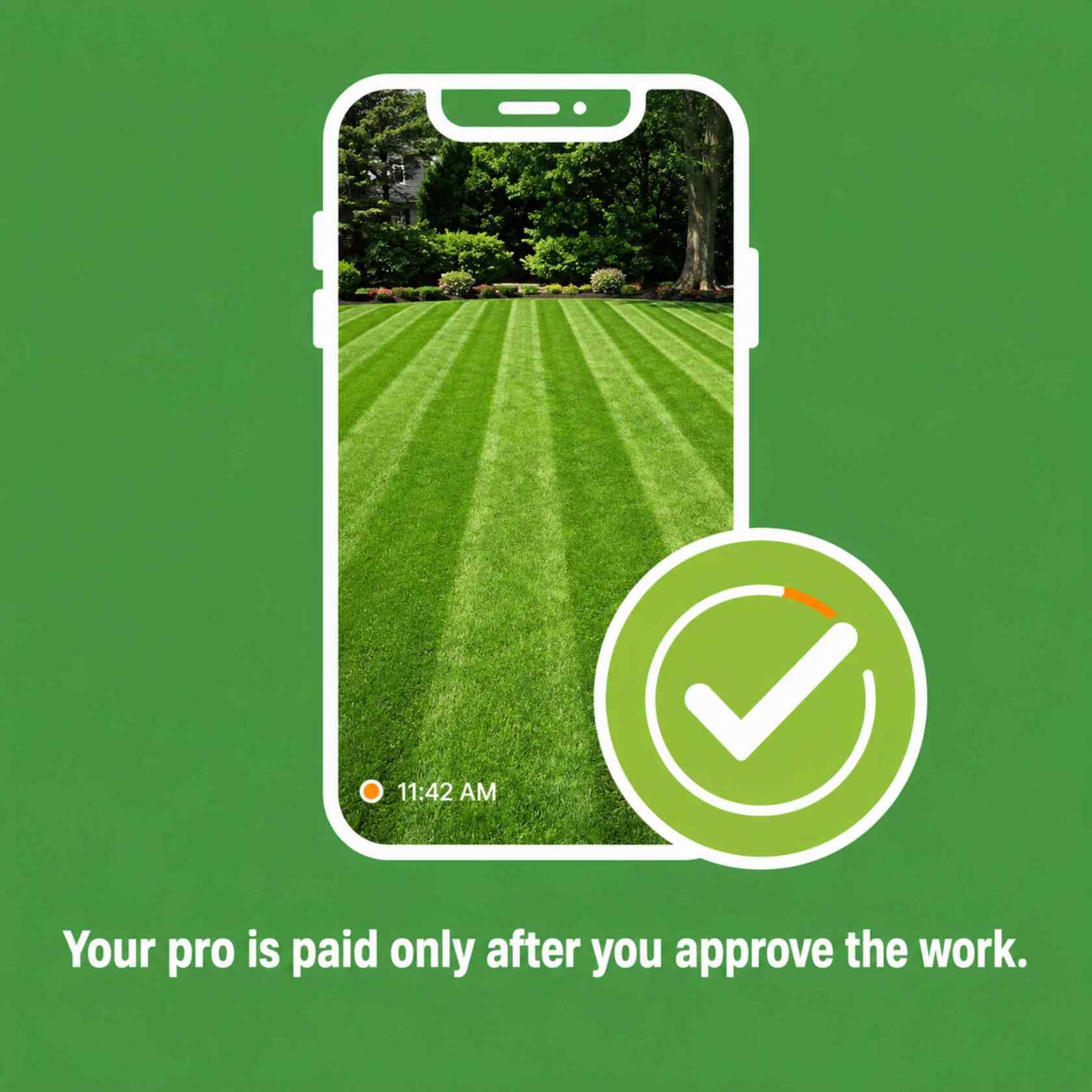
Photo proof before you pay. The lawn care pro you hired sends time-stamped photos of the finished work, and you pay only after you approve it.
Satellite lawn measurement. Your lawn size is measured from aerial imagery, so pros can quote accurately without an in-person visit.
One honest limitation is that GreenPal's quoting system is built for mowing, maintenance, and snow removal, not for bundled TruGreen-style treatment programs. That said, many local pros on the platform can also handle services like fertilization, aeration, or overseeding, which you arrange directly with the pro after you connect. If you want the head-to-head, we cover it in GreenPal vs. TruGreen.
Other National Treatment Chains and Franchises
The clearest like-for-like swap for TruGreen is another national treatment chain or a lawn care franchise. These companies work much the way TruGreen does. They run recurring programs built around fertilization and weed control, with pest, disease, and other services offered as add-ons.
Their main advantages are breadth and consistency. ConsumerAffairs notes that national companies often offer more services than smaller firms, may rely on more scientific research, and tend to have more formalized training. Franchises can pair that corporate structure with local ecological knowledge.
The tradeoff is that the model tends to look a lot like TruGreen, including the bundled-program structure that sends some homeowners looking in the first place. University of Wisconsin Extension advises against one-size-fits-all "predetermined" plans and suggests choosing a provider that addresses your lawn's specific needs. We compared one of the better-known national treatment brands in Is Lawn Doctor Worth It? if you want to see how that category stacks up.
Local Independent Lawn Care Companies
Local independents are the go-to for homeowners who want more tailoring and stronger local knowledge. A local company can suggest products and plantings suited to your region and, in many cases, will handle mowing and cleanup as well as treatments.
The tradeoffs are capacity and breadth. Per ConsumerAffairs, smaller firms may not offer as many services as large companies and can take longer to schedule work if they have limited staff, though they often make up for it with more personal service. The harder part is usually finding them, vetting them, and getting comparable quotes, which is where a marketplace like GreenPal helps.
DIY Subscription and Mail-Order Programs
DIY lawn care subscriptions ship you the products along with a plan based on a soil test, and the work and timing are on you.
The appeal is cost and control. Bob Vila reports that leading DIY programs typically run from about $39 per month to $140 per year, with seed and herbicide extras pushing some plans past $200 per year. You also get full visibility into what goes on your lawn.
The catch is that you still do the work and make the calls on timing. A University of Minnesota Extension lab soil test is the most reliable way to know what your soil actually needs, and Wisconsin Extension points out that not every lawn needs a full multi-step chemical program in the first place. DIY is a strong fit if your real objection to TruGreen is the price rather than the labor.
How to Choose a Lawn Care Compan

Whichever model you lean toward, the same shopping steps protect you.
Get and compare multiple quotes. The FTC recommends getting several estimates and asking for an explanation when there is a big difference between them. Comparing bids side by side is also the fastest way to see fair market pricing for your area, and it is the core of how GreenPal works.
Compare the same scope of work. The Better Business Bureau advises defining the scope before you ask for estimates and making sure every bid covers the same services on the same basis, whether per visit, per month, or per year.
Check reviews and ratings. Look at recent customer feedback, not just a star average. Our team also ranked top providers using data from more than 75,000 customer appointments in this breakdown of the best lawn care companies.
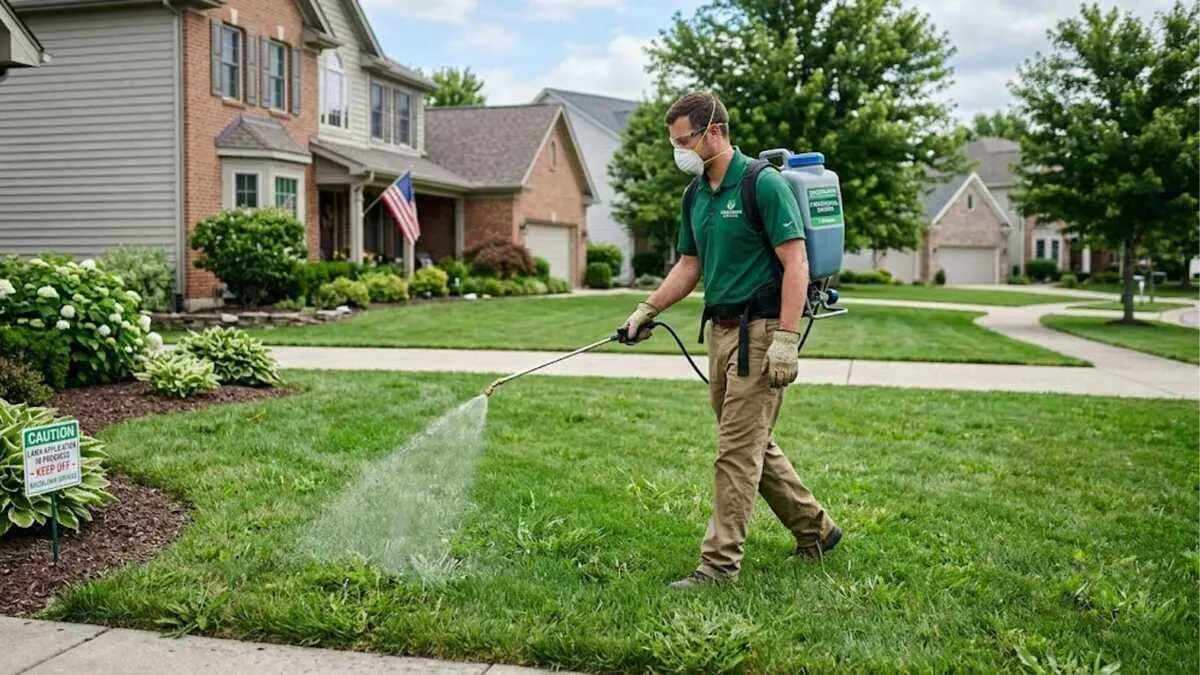
Confirm exactly what is included. Ask whether mowing, edging, cleanup, and any treatments are part of the price or billed separately. For anyone applying pesticides for hire, Wisconsin Extension notes they must be properly licensed, so it is fair to ask.
Read the contract and cancellation terms. If a plan renews automatically, know how and when to cancel before you sign.
Weigh local versus national. National brands bring scale and standardization. Local pros bring flexibility and regional knowledge. Neither is automatically better.
For more on trimming costs without cutting quality, see How to Save Money on Lawn Care, and for help comparing local pros and the apps that surface them, see How to Find the Best Lawn Care Professional.
TruGreen Alternatives: Common Questions
Does TruGreen mow your lawn?
No. TruGreen provides lawn treatments like fertilization and weed control on a recurring schedule and does not mow. Homeowners who want mowing and upkeep handled need a local pro or a service that includes labor.
What is a cheaper alternative to TruGreen?
DIY subscription programs are usually the lowest-cost route, often around $39 per month to $140 per year, though you apply the products yourself. Hiring a local mowing pro per visit through a marketplace can also cost less than a full-season treatment plan, depending on your yard and what you need done.
What is the best TruGreen alternative for mowing and yard upkeep?
Hiring a vetted local pro through an on-demand marketplace is the closest fit, because that model is built around mowing, edging, cleanup, and recurring maintenance rather than chemical treatments. It also skips the long-term contract that comes with most national programs.
Finding the Right Fit for Your Lawn
The best TruGreen alternative is the one that matches the job you need done. If you want a standardized treatment schedule, another national chain or a DIY program may serve you well. If you want the mowing and upkeep handled for you, without a contract, that is exactly what we built GreenPal to do. Enter your address, compare quotes from vetted local pros in your area, and pick the one that fits your yard and your budget. It is free to get started, and you only pay your lawn care pro once the work is done and you approve it.



 What are the best granular fertilizers on the market for your lawn?
by Gene Caballero | July 21, 2026

 What Is a Fair Hourly Rate for Lawn Care, and Are You Getting Ripped Off?
by Gene Caballero | July 18, 2026