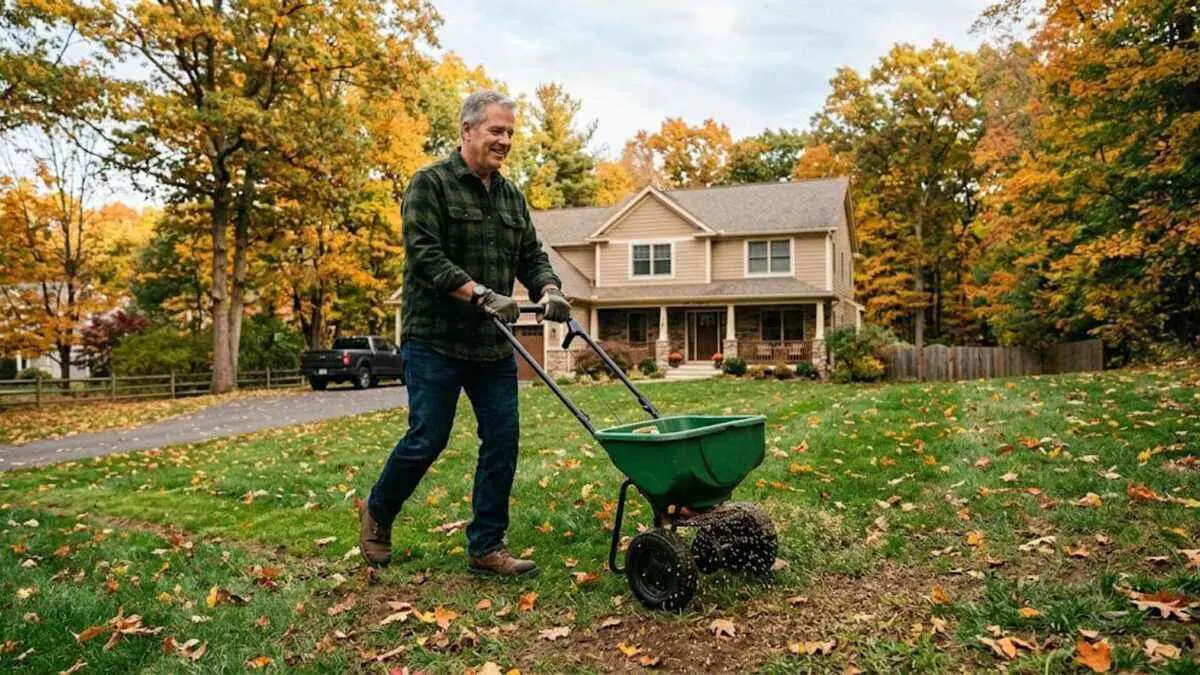
How to Overseed Your Lawn in Fall
Overseeding is the process of planting new grass seed over an existing lawn. It increases lawn density, enhances green color, and introduces new grass varieties. In this guide, we’ll show you how to overseed your lawn in fall if you’re growing a cool-season lawn.
Why Overseed in Fall?
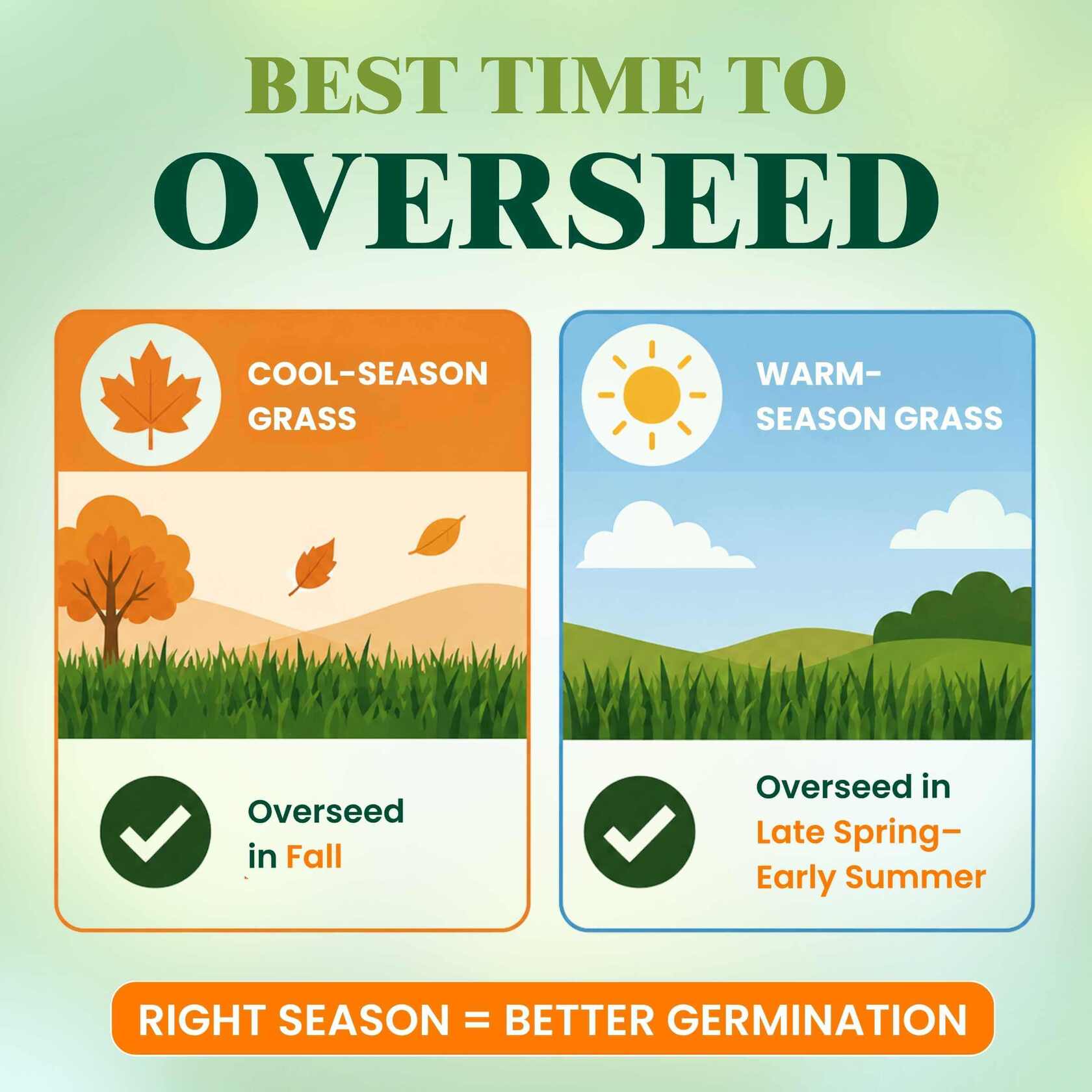
Early fall is the best time to overseed cool-season lawns. The seeds have all of fall, the milder parts of winter, and spring to establish before summer heat arrives. Fall’s warm soil, cooler nights, and typically more rainfall also create the ideal conditions for successful germination.
If you’re planting warm-season grass, do not overseed in fall. Instead, overseed in late spring or early summer.
Step 1: Test Your Lawn’s Soil
Before you plant new grass seed, test your lawn's soil. If the results reveal a phosphorus deficiency, you'll likely need to apply a starter fertilizer after overseeding.
To receive accurate results and fertilizer recommendations based on your soil type and grass type, send a soil sample to your local cooperative extension for laboratory testing.
Step 2: Measure Your Lawn
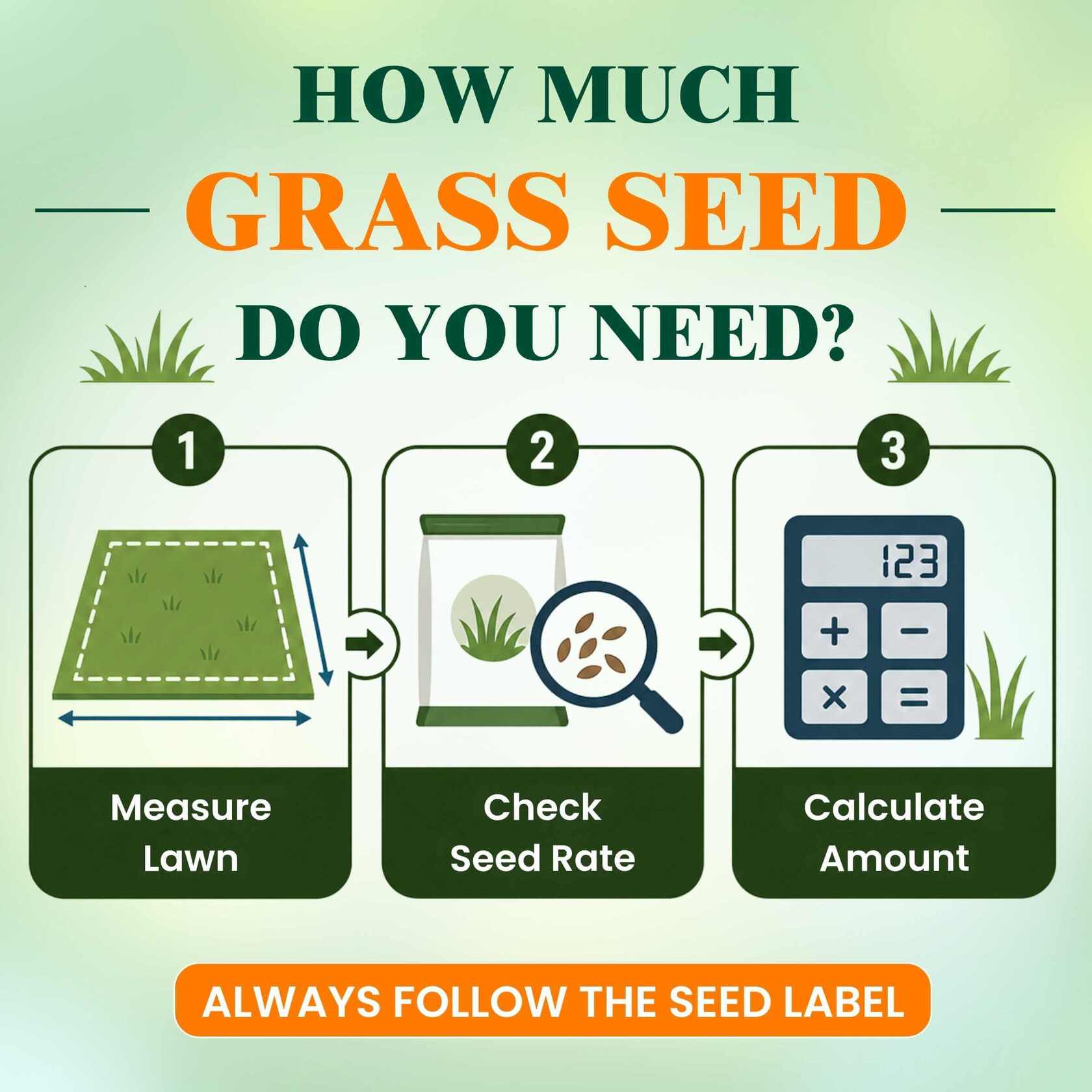
Measure the total square footage of the areas you plan to overseed. This will allow you to determine how much seed to buy.
For rectangular sections, multiply length by width. For irregular shaped areas, break the area into smaller rectangular or triangular sections and add the totals together.
Step 3: Determine How Much Grass Seed You Need
The rate at which grass seed is applied is measured by pounds per 1,000 square feet.
Different grass seeds have different weights, which means application rates vary among grasses. For example, Kentucky bluegrass's overseeding rate is 1 to 2 pounds per 1,000 square feet, while tall fescue's overseeding rate is 3 to 4 pounds per 1,000 square feet.
Keep in mind that the application rates of seed blends and mixtures vary, because they contain seeds of varying weights. Always check the product label for its recommended overseeding rate.
Once you know your overseeding rate, multiply it by your lawn's square footage (from Step 2), then divide by 1,000, to calculate the total pounds of seed you'll need.
Tip: Seeding rates and overseeding rates are different. The overseeding rate is intended for applying grass seed over an existing lawn or grassy area. The seeding rate is intended for establishing new lawns on bare soil.
Step 4: Remove Debris
Prep the lawn for overseeding by removing lawn debris, such as fall leaves, branches, or twigs. Leaf removal methods include using a leaf rake, leaf mulcher, or leaf blower or hiring professional leaf removal services.
Step 5: Water the Lawn Deeply
A few days before overseeding, water your lawn deeply to build up soil moisture. This helps revive cool-season lawns that went dormant over summer and prepares the soil for aeration and seeding.
Avoid watering the day you plant seed, since overly saturated soil can wash away seed during application.
Step 6: Mow Low
Mowing the lawn low before overseeding helps increase the seeds’ contact with the soil surface. Keeping the grass short also helps to minimize shade over the seeds.
After mowing the lawn, remove the grass clippings.
Note: Mowing short isn’t a license to scalp your lawn. Stay within your grass type’s recommended height range, but at the lowest end. If your current mowing height is already near the top of that range, lower it gradually over a few mowings, removing no more than one-third of the grass blade's height at a time.
Step 7: Aerate
Core aerating your lawn before overseeding improves seed-to-soil contact and helps loosen compacted soil, giving new roots room to grow. While not strictly required, aeration significantly improves the chances of successful germination, especially in lawns with heavy foot traffic or compacted soil.
Tip: You can rent a core aerator or hire a lawn care service to aerate for you.
Step 8: Spread Grass Seed
Now that your lawn and soil are prepped, it's time to overseed. The following tools can be used to spread grass seed across the lawn:
A drop spreader drops the grass seed directly beneath it, allowing for more precision.
A broadcast spreader evenly disperses the seeds over a wide area in a fan-like pattern. This allows you to make fewer passes over the lawn, but is less precise than a drop spreader.
-
A handheld spreader has a hand crank that allows you to disperse the seeds. It's ideal for smaller areas of the lawn where a drop or broadcast spreader can't fit.
( GreenPal Marketplace )Get 5 free bids from local lawn prosTop-rated pros near you send real quotes in minutes — no contracts, no haggling.Get My Free BidsNo credit card required. Get matched in 60 seconds.
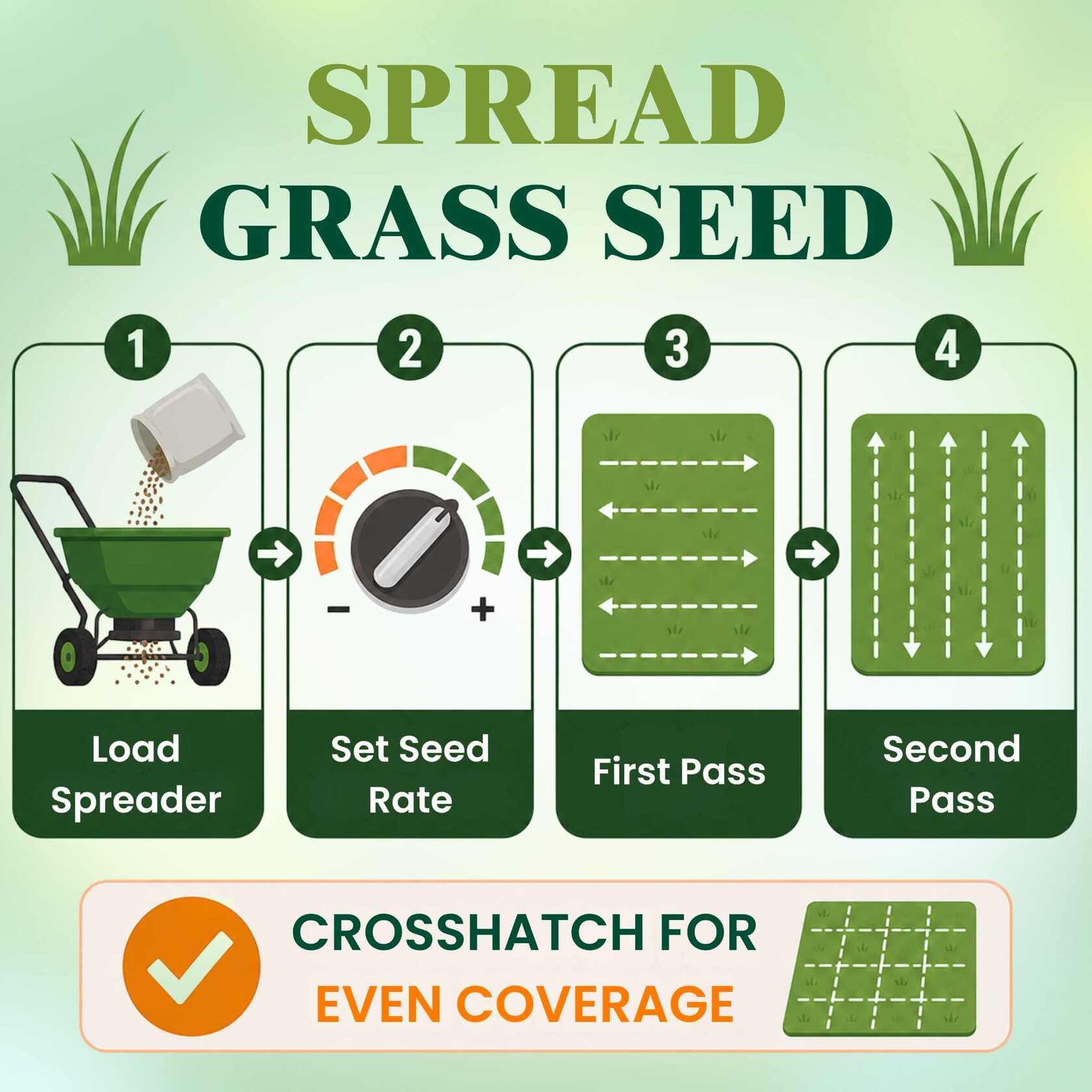
Set your spreader according to the overseeding rate you calculated in Step 3, following your spreader's settings guide.
To spread the seed evenly, split it in half. Apply the first half in parallel passes across the lawn, then apply the second half in parallel passes perpendicular to the first, slightly overlapping each pass to avoid gaps.
Step 9: Fertilize
If a soil test reveals your soil is low in phosphorus, apply a phosphorus-rich starter fertilizer to encourage root and shoot development.
Avoid a heavy nitrogen application for at least 30 days. Nitrogen encourages the existing turfgrass to grow vigorously, which can outcompete and shade the germinating seeds.
Learn More: How to Fertilize Your Lawn
Step 10: Irrigate Daily
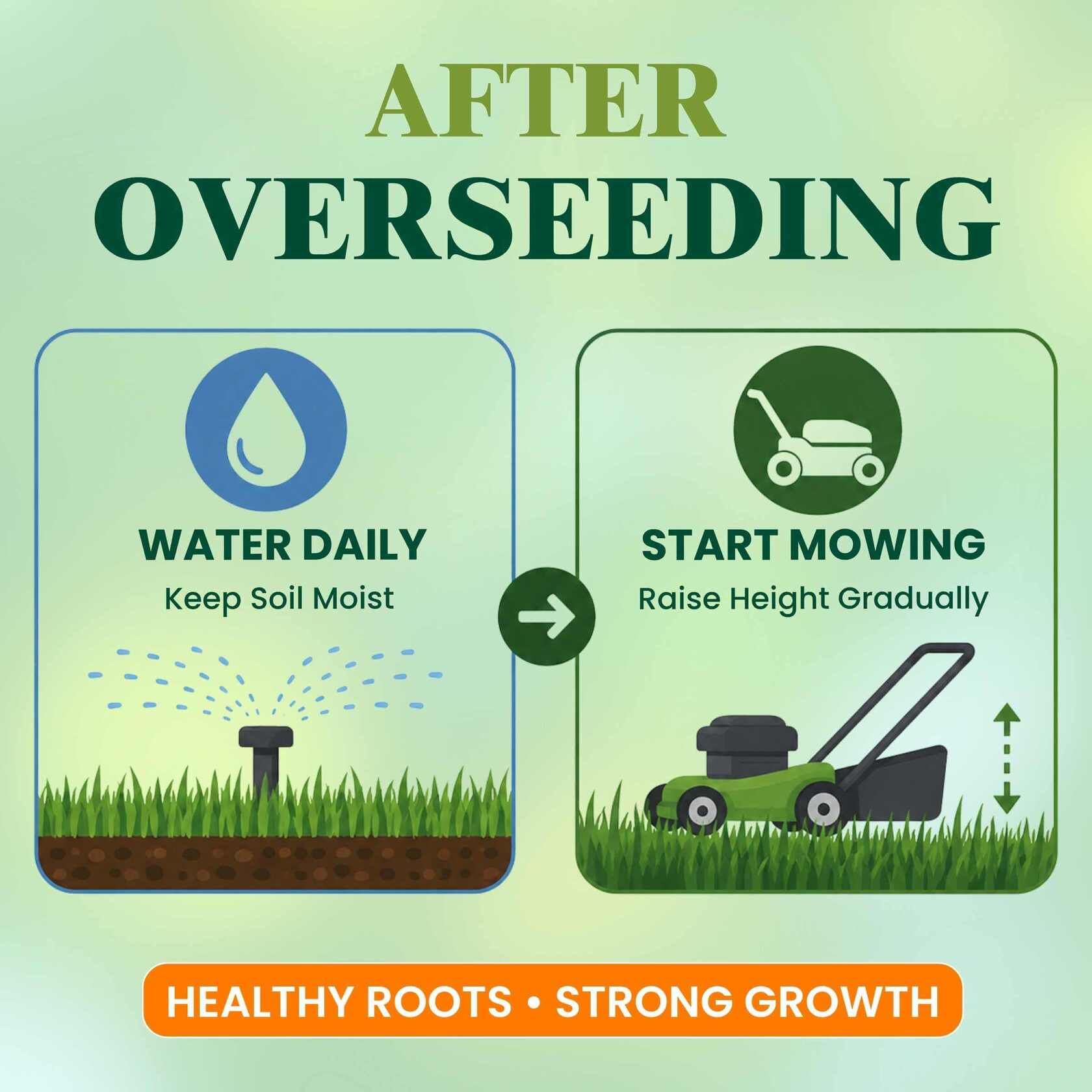
Water the new grass seeds 2 to 4 times a day for short periods to ensure the top 0.5 to 1 inch of soil remains moist during germination. As the new grass approaches mowing height, slowly taper the number of waterings to 1 to 3 per week and water more deeply.
Step 11: Mow
Iowa State University Extension and Outreach recommends continuing to mow short to reduce competition from established turfgrass. Once seedlings are tall enough to reach the blade, begin mowing them too, gradually raising the height over the following weeks.
Note: In areas where you planted seed with no existing grass, allow those areas to grow for 2 to 4 weeks before the first mow.
Find a Lawn Care Pro Near You
If you live in the Northern United States, you likely grow cool-season grass, making early fall the best time to overseed. If you live in the Southern United States, you likely grow warm-season grass and should overseed between late spring and early summer.
If you're in the transition zone, such as Jackson, TN or Lexington, KY, you may be growing either cool-season or warm-season grass, so confirm your grass type before choosing a season to overseed.
Once the seedlings have grown, you'll need to follow the right lawn care techniques to maintain the lawn's thick, healthy canopy. If you'd rather skip the legwork, find a local lawn care professional near you to handle routine mowing and aeration.