How to Get Rid of Nutsedge
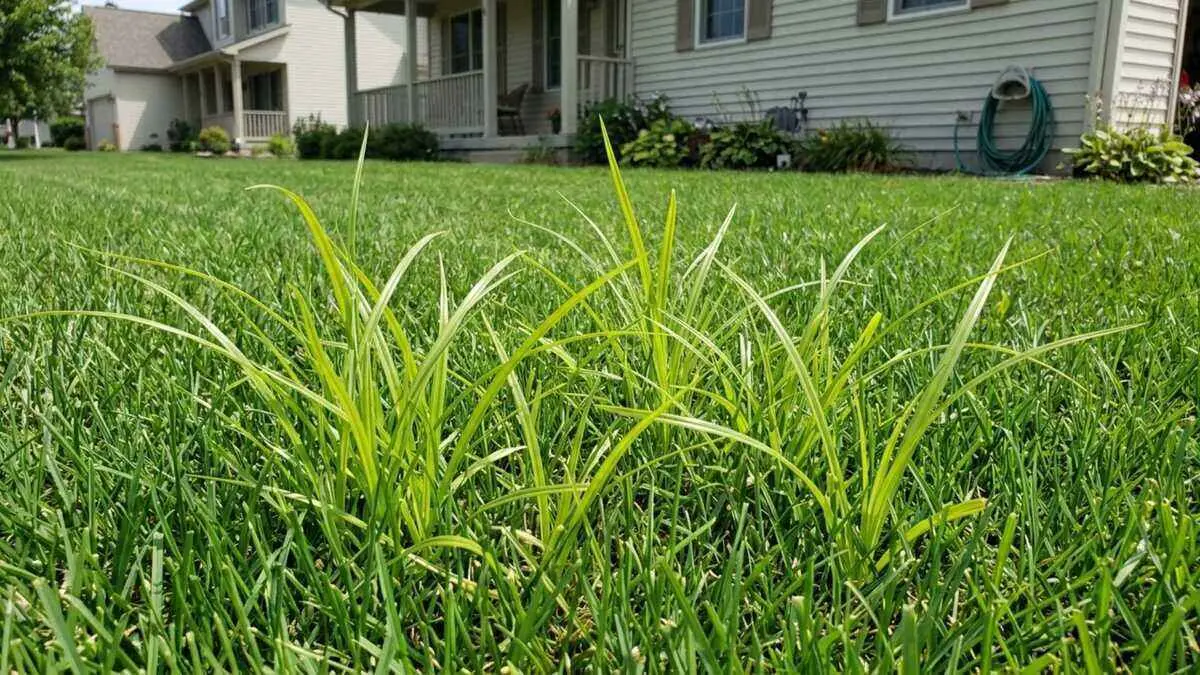
If patches of your lawn are growing noticeably faster, standing more upright, or appearing lighter green than the surrounding grass, you may be dealing with nutsedge.
The key to controlling nutsedge is first identifying whether you're dealing with yellow or purple nutsedge. These two weeds differ significantly in how they respond to herbicides. Most notably, no pre-emergent herbicide controls purple nutsedge.
Applying post-emergent herbicide is the most reliable way to remove existing nutsedge, though reapplication is often necessary. To prevent nutsedge from returning, focus on improving your lawn's density and, for yellow nutsedge, apply a pre-emergent herbicide in early spring before soil temperatures warm.
|
In this guide: |
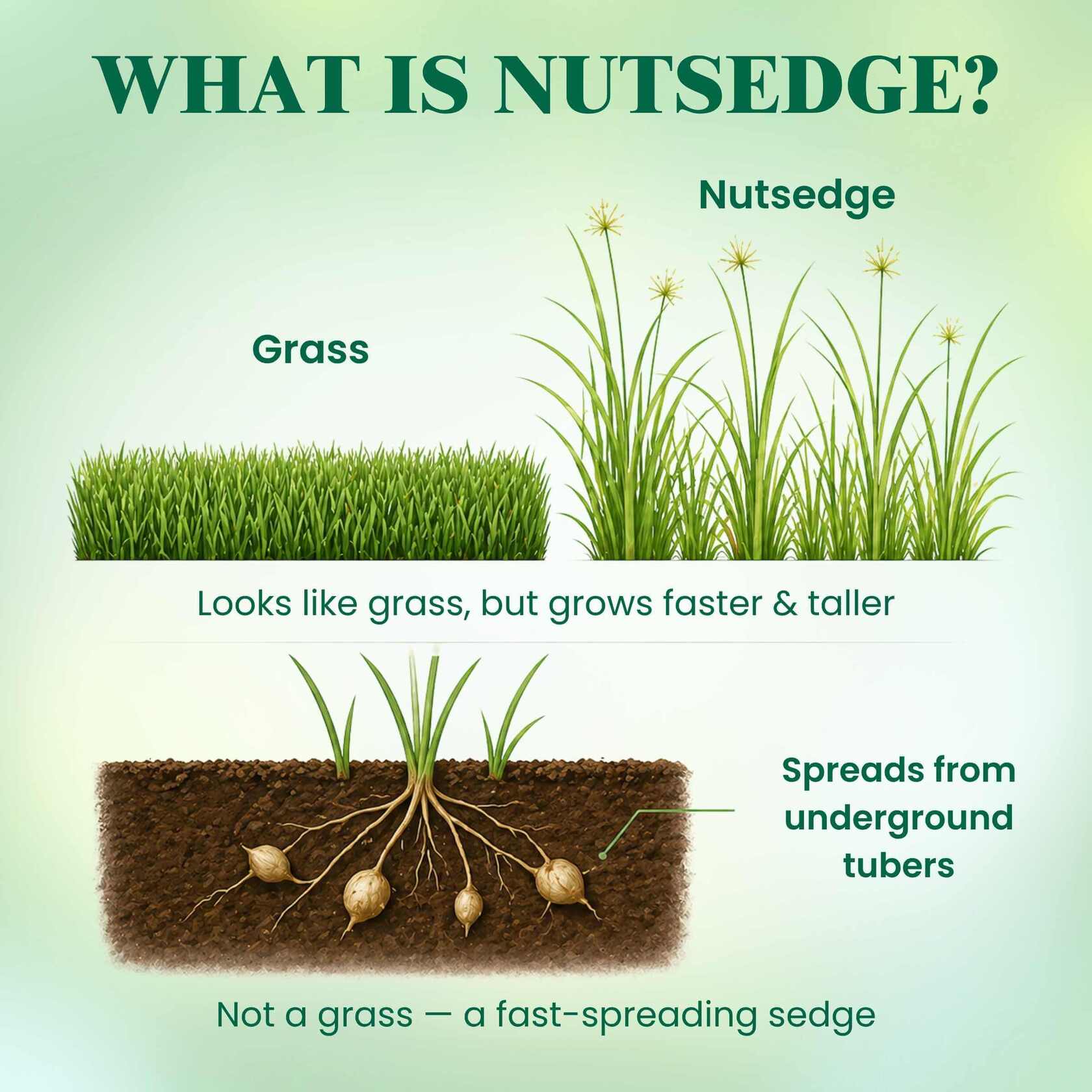
At first glance, nutsedge looks like just another patch of grass. But it grows faster, stands taller, and behaves very differently. It’s also not a grass, but a sedge.
While this perennial weed can spread by seed, seedheads rarely form in frequently mown turf. Nutsedge mainly spreads through underground tubers (often called nutlets), which can remain dormant for several years.
Nutsedge usually emerges in late spring, continues to emerge through summer, and the leaves die from the first hard frost. Its tubers survive through winter and often sprout new growth the following spring.
How to Identify Nutsedge
Identifying nutsedge correctly is the first step to getting rid of it. Many herbicides that work against broadleaf weeds, like crabgrass and dandelions, won’t work as effectively against nutsedge, so it's important to know you’re treating the correct weed.
Look for these identifying traits:
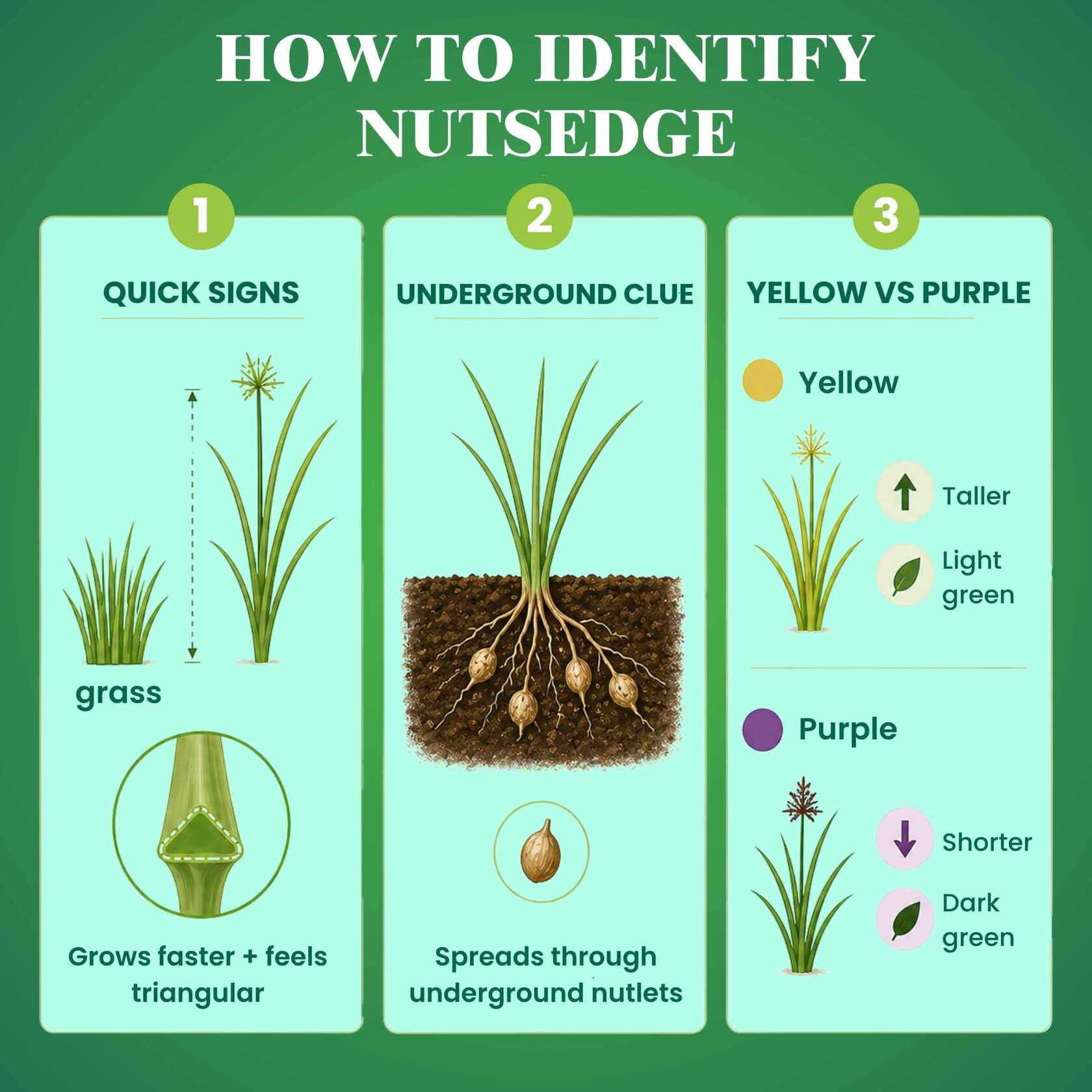
Nutsedge grows faster than turfgrass, often towering over the surrounding lawn just 2 to 3 days after mowing.
It typically reaches 6 to 30 inches tall.
The stem is triangular. You can feel the edges if you roll it between your fingertips.
The underground roots, known as rhizomes, develop nut-like beads known as tubers.
The two most common nutsedges growing in lawns are yellow nutsedge and purple nutsedge. It’s important to identify which weed you're dealing with, because they differ in herbicide susceptibility.
How to Identify Yellow Nutsedge
Tends to grow taller than purple nutsedge
Has light-green to yellow-green leaves
Leaves end in a long, tapered point
Forms tubers at the ends of the rhizomes
Flower heads are yellow-green to tan
How to Identify Purple Nutsedge
Tends to grow shorter than yellow nutsedge
Has deep green leaves
Leaves end in a short, blunt point
Forms tubers in chains on the rhizomes
Flower heads are deep purple to black
How to Get Rid of Nutsedge in 7 Steps
Nutsedge — also called chufa, nutgrass, or watergrass — is difficult to control with nonchemical methods due to its underground tubers.
Controlling this weed takes patience and persistence. According to the Purdue University Extension, nutsedge requires two to three years of control using herbicides to reduce viable tubers in the soil by 90%.
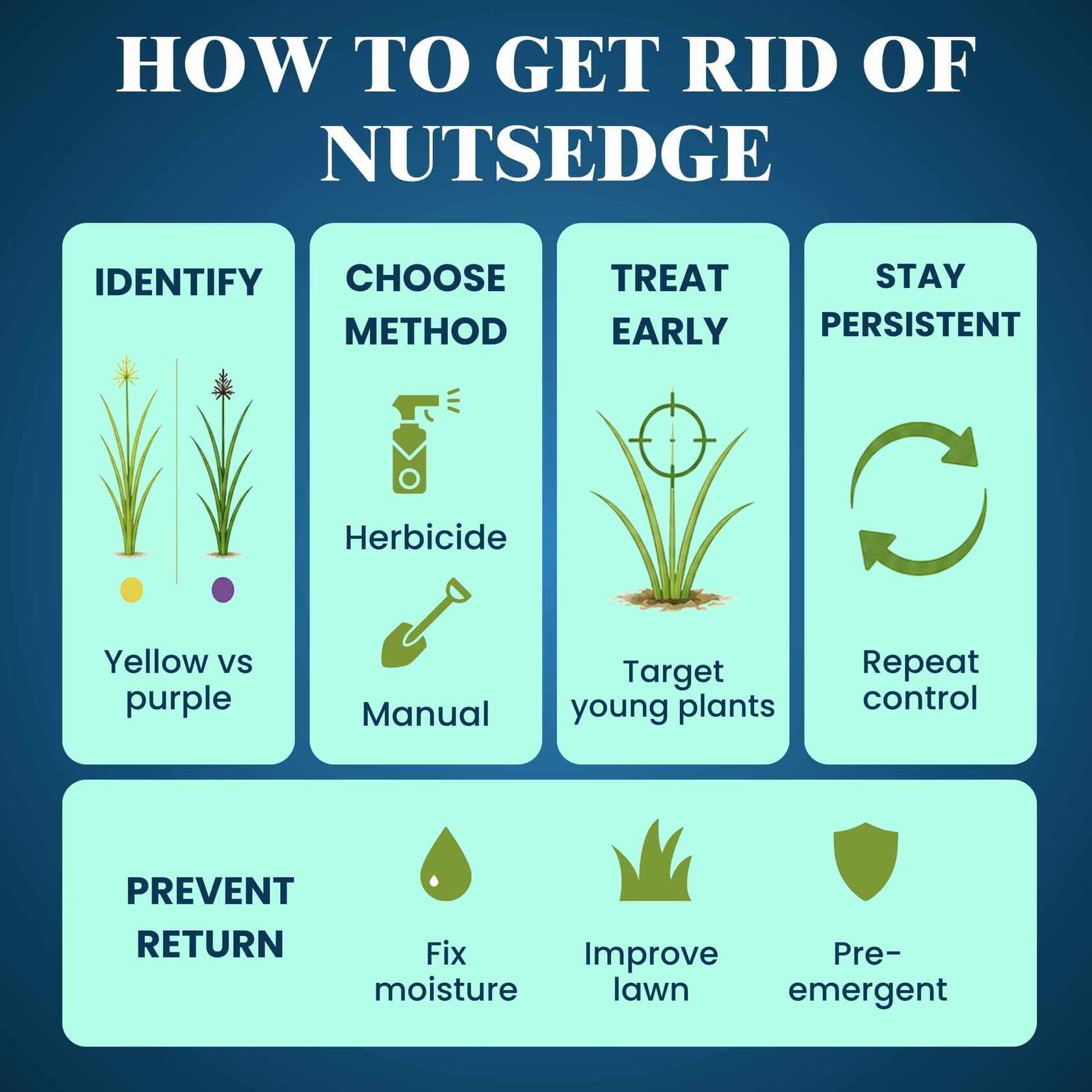
Step 1: Identify the Nutsedge
Before you begin, identify whether you’re dealing with yellow or purple nutsedge.
Here’s why: Control methods that work very well for yellow nutsedge may not work as effectively against purple nutsedge, and vice versa.
Here's how to tell them apart:
Trait |
Yellow Nutsedge |
Purple Nutsedge |
Height |
Tends to grow taller than purple nutsedge |
Tends to grow shorter than yellow nutsedge |
Leaf Color |
Light-green to yellow-green |
Deep green |
Leaf Tips |
Long, tapered point |
Short, blunt point |
Tubers |
Forms tubers at the ends of the rhizomes |
Forms tubers in chains on the rhizomes |
Flower Head Color |
Yellow-green to tan |
Deep purple to black |
Step 2: Choose Your Control Method
Control methods for nutsedge include herbicides or manual removal, with herbicides being the most effective method. Nutsedge spreads through underground tubers, making it difficult to control with hand-pulling alone.
Herbicides
Different selective-herbicides provide varying levels of effectiveness against yellow and purple nutsedge. Here’s how various sedge herbicides stack up, according to Purdue University:
Herbicide |
Yellow Nutsedge Control |
Purple Nutsedge Control |
halosulfuron (SedgeHammer) |
Good to Excellent |
Good |
sulfentrazone (Dismiss) |
Good to Excellent |
Poor to Fair |
sulfentrazone+metsulfuron (Blindside) |
Good to Excellent |
Poor to Fair |
sulfosulfuron (Certainty) |
Good to Excellent |
Excellent |
trifloxysulfuron (Monument) |
Good to Excellent |
Excellent |
Manual Control
While manual control is also an option, it can prove tedious. Hand-pulling or digging can actually activate dormant tubers, leading to more nutsedge growth and what feels like a game of Whac-A-Mole.
Although manual control may trigger new growth, repeated pulling eventually wears down the plant. When the tuber is forced to sprout a new plant, it draws on its energy reserves and weakens over time.
Note: Purple nutsedge produces more tubers than yellow nutsedge, making it more difficult to control manually.
Step 3: Attack Young Plants
Apply post-emergent herbicide or manually remove young nutsedge before it develops new tubers. Once the plant reaches 5 to 6 leaves, it has likely already done so.
Nutsedge begins to emerge in late spring, but continues throughout summer, so you’ll need to control new plants every few weeks.
When manually removing nutsedge, dig at least 8 to 14 inches deep and 8 to 10 inches beyond the infested area to remove the entire plant.
Note: If you are refilling the hole with new soil, ensure the soil you purchased is not contaminated with tubers.
Step 4: Remain Persistent
Whether you’re using herbicides or manual removal, prepare for repeated application.
If using herbicides, read the instructions to determine how often reapplication is necessary. One post-emergent treatment is often not enough to kill the entire nutsedge plant.
If digging and hand-pulling, it’s common to leave behind a few tubers that were activated in the process. Continue to dig and pull new growth, depleting the tubers of their energy.
Step 5: Address Moisture Problems
Nutsedge loves wet soil. If you see a patch of nutsedge growing in the lawn, it may signal a few possibilities:
A broken irrigation system
Poor drainage
Overwatering
If necessary, adjust your watering schedule, improve soil drainage with aeration, and fix broken sprinklers or underground irrigation lines.
Step 6: Improve Lawn Care
A healthy lawn with tall, dense grass can help prevent nutsedge and other weeds from accessing the sunlight and space needed to grow.
Adopt a consistent, proper lawn care routine to boost your lawn’s vigor. For a more comprehensive breakdown of various lawn care treatments, visit our beginner's guide to lawn care:
Mowing: Nutsedge performs well in short grass because it has access to sunlight. Raise your mowing height and follow proper mowing techniques.
Irrigation: Ensure your lawn isn’t receiving too much or too little water.
Thatch Removal: Excessive thatch can jeopardize the lawn’s health, creating a more ideal environment for weeds.
Overseeding: Plant new grass seed to thicken thin grass and bare patches.
Fertilizer: Apply fertilizer according to the results of a soil test to boost the lawn’s nutrients.
Soil Amendments: Apply soil amendments according to a soil test to improve the lawn’s ph level, microbial activity, and drainage.
Aeration: Relieve soil compaction with core aeration. If you live in an area with heavy clay soil, like Sacramento or Philadelphia, annual lawn aeration services can help improve drainage and make your lawn less hospitable to nutsedge.
Step 7: Apply Pre-Emergent Herbicide
Apply pre-emergent herbicide in early spring, such as Casoron 4G (dichlobenil), to prevent yellow nutsedge from germinating. Apply when soil temperatures are between 50 and 55°F for several consecutive days.
No pre-emergent herbicide blocks purple nutsedge from germinating, yet another reason why purple nutsedge is the more difficult weed to control.
Frequently Asked Questions
How Does Nutsedge Get In the Lawn?
Although nutsedge produces seed heads, it primarily spreads via tubers. Nutsedge tubers enter lawns from contaminated topsoil, mulch, or on landscaping equipment. The weed thrives in moist soil from poor drainage, broken irrigation systems, or overwatering.
Does Glyphosate Kill Nutsedge?
Glyphosate may damage nutsedge, but it is generally less effective than selective sedge herbicides and may not eliminate tubers.
Tackle Nutsedge With a Lawn Care Pro
The most effective way to control nutsedge is to combine post-emergent herbicides with a good lawn care routine.
It can take two to three years of using herbicides to effectively reduce the amount of nutsedge in your yard, and even then you might see nutsedge popping up here and there. To keep your lawn healthy and weeds in check, consider hiring a local lawn care professional.