 How to Apply Post-Emergent Herbicide


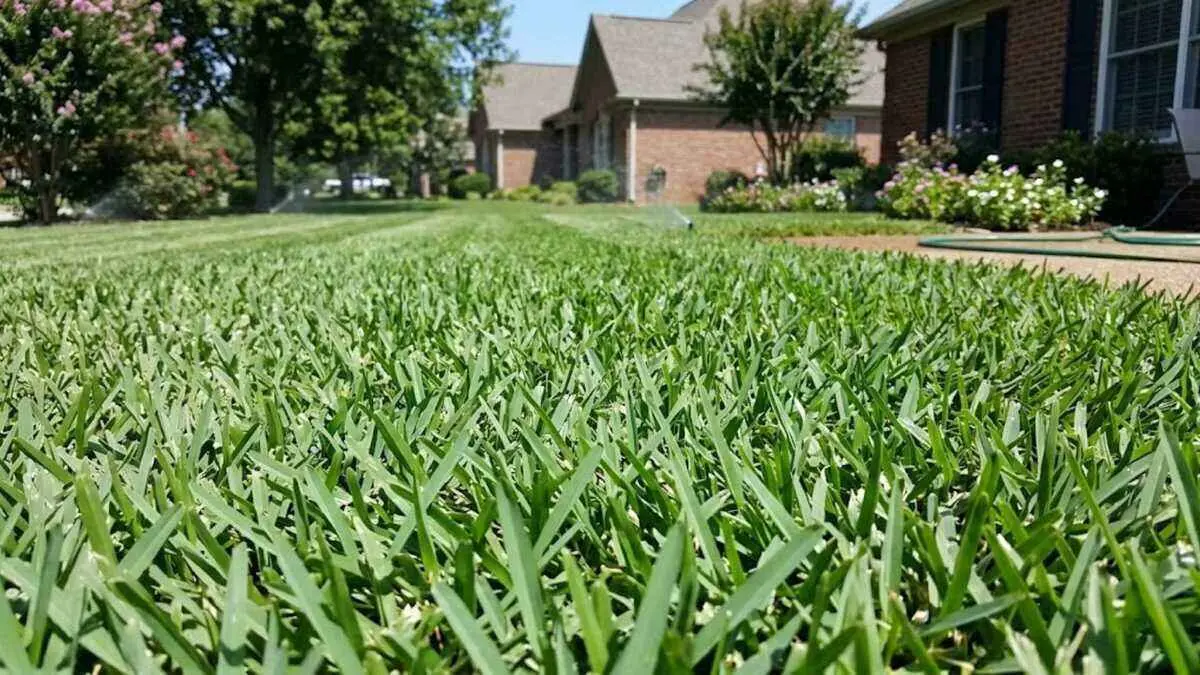
St. Augustinegrass Lawn Care Calendar
by Gene Caballero | June 23, 2026
St. Augustinegrass Lawn Care Calendar
St. Augustinegrass is a fast-growing warm-season grass known for its thick coverage, dark-green color, and excellent salt and shade tolerance. Keeping it healthy takes regular mowing, frequent fertilization, and a watchful eye for pests and disease.
This lawn care calendar walks you through how to maintain St. Augustinegrass month by month, with the height of its maintenance occurring in late spring through early summer.
▲ marks the best time to perform the designated task.*
△ marks an acceptable time to perform the designated task.*
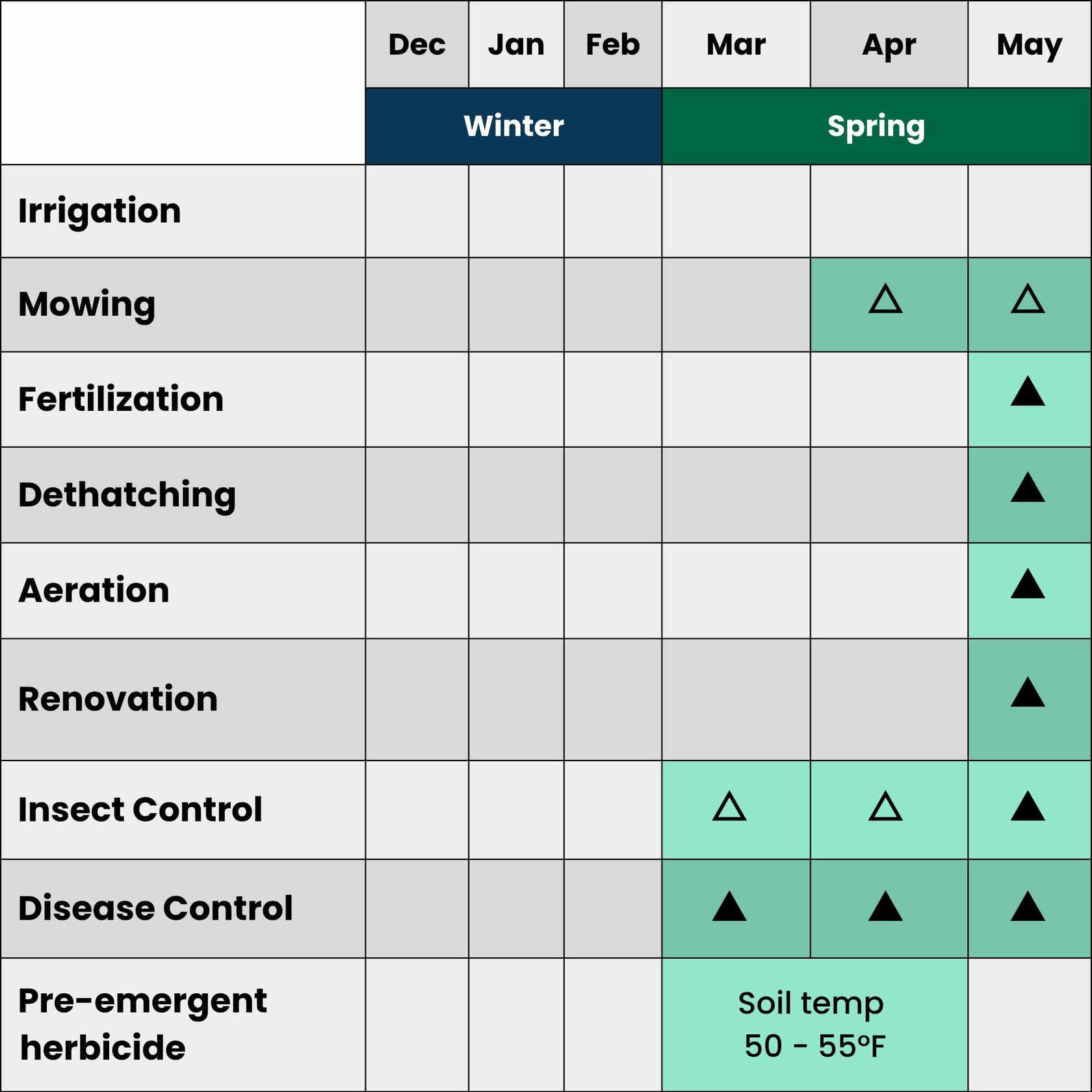
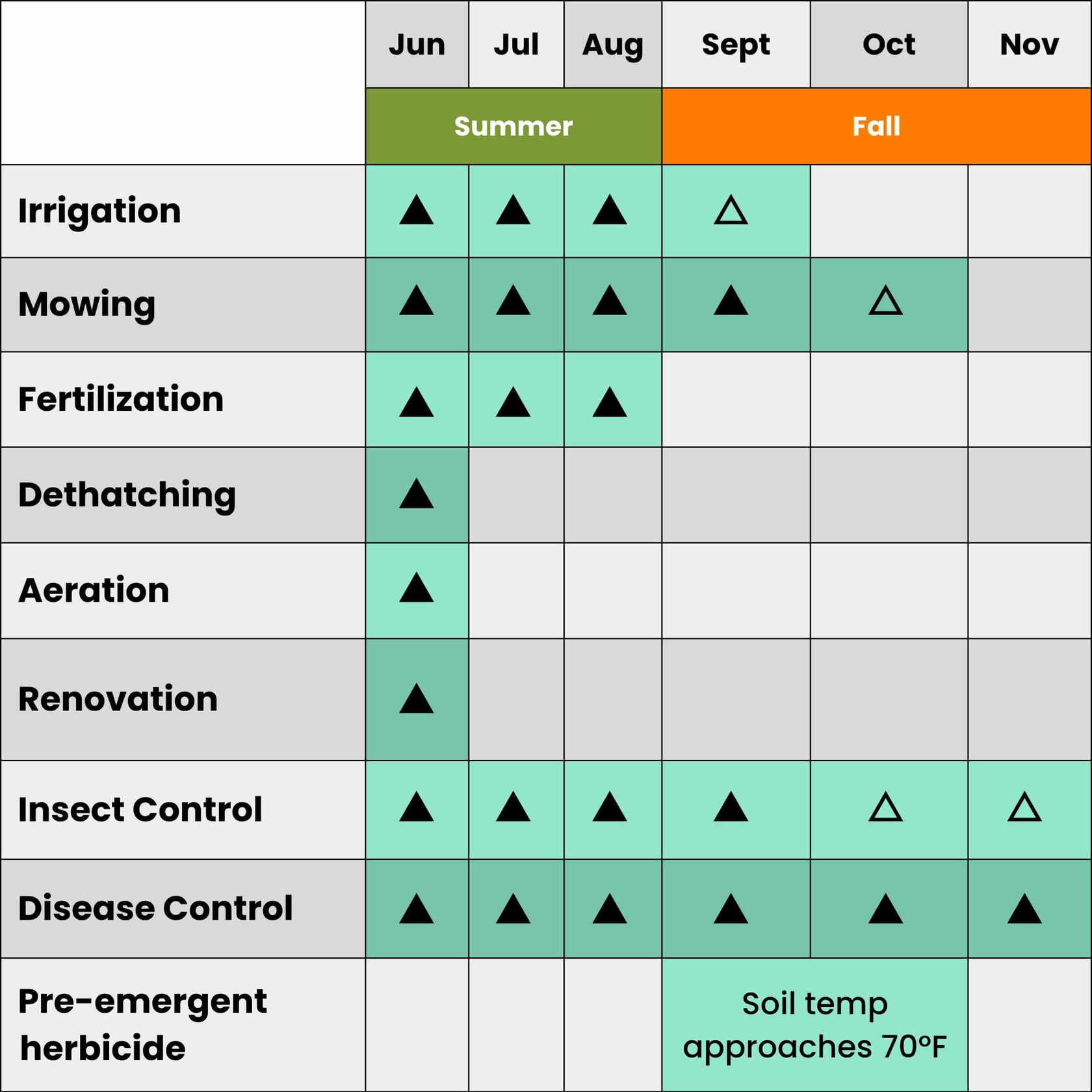
*Location, forecasted frost dates, soil conditions, age of lawn, and several other factors can affect your lawn’s performance, which means timing will need to be adjusted to suit your lawn.
Spring: March, April, May
St. Augustinegrass typically starts to green up around late April or early May, depending on location and the year’s climate. Avoid applying fertilizer to accelerate the green up process, as a late frost could seriously injure new growth.
If your lawn is littered with winter debris, consider scheduling spring cleanup services to give your yard a fresh start.
Mowing
Before spring green up, set the mowing height to 2.5 inches and remove dormant grass leaves. Always mow with sharp mower blades to avoid ripping and tearing the grass.
Once the grass greens up, St. Augustinegrass thrives best at 3 to 4 inches, though some cultivar varieties prefer mowing heights between 2 and 3 inches. During drought conditions or for grass growing in the shade, raise the mowing height to the higher end of its recommended range.
Tip: Never remove more than one-third of the grass blade’s height at once. Otherwise, you’ll shock your turf. For more mowing guidance, check out these Professional Lawn Mowing Tips.
Irrigation
When St. Augustinegrass is actively growing, it needs 0.75 to 1 inch of water per week either through rainfall or supplemental irrigation.
Spring usually provides enough rainfall for lawns, though periods of drought do happen. Provide supplemental irrigation when the lawn shows signs of thirst, such as wilting leaf blades or lingering footprints in the grass.
Weed Control
If your lawn has a history of summer weeds, such as goosegrass or crabgrass, applying a pre-emergent herbicide in early spring can help prevent their return. Apply the pre-emergent herbicide when soil temperatures are between 50 and 55°F.
Chinch Bug Control
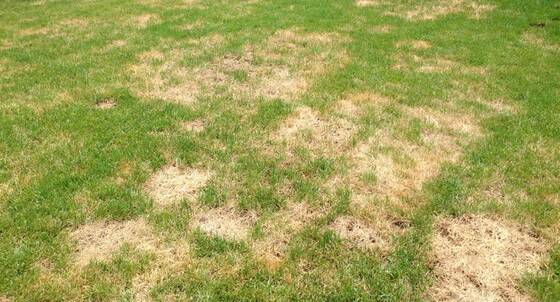
Chinch bugs are the most common insect pest affecting St. Augustinegrass. If sunny areas of the lawn develop yellow or brown patches of grass in late spring, chinch bugs may be the culprit. They share the same damage symptoms as many other common lawn issues, so perform a flush test to make sure you’re dealing with chinch bugs.
To perform a flush test, mix 1 tbsp of lemon-scented dish soap into 1 gallon of water and pour it slowly over the damaged areas. After several minutes, chinch bugs should rise to the lawn’s surface.
Approximately 15 to 20 chinch bugs per square foot signal a serious infestation and insecticides are likely needed. Chinch bugs are most vulnerable when they're young, so treat the infestation as soon as possible before the population grows.
Always read labeled instructions to ensure safe, effective, and responsible application.
Learn More: How to Get Rid of Chinch Bugs in Your Lawn
Grub Control
Grub damage can appear in spring as dead patches in the grass that grow larger, or grass rolling off the ground as easily as a carpet.
Cut and roll up one square foot section of your lawn where you suspect white grub activity. Counting 10 or more grubs per square foot signals a serious infestation, and a curative treatment may be necessary at this time.
Curative treatment is worth considering if you count 6 to 9 grubs per square foot and your lawn is showing signs of stress or thinning. If the lawn has 5 or less grubs per square foot, wait to apply a preventative insecticide until summer to prevent the next generation.
Learn More: How to Get Rid of Lawn Grubs
Disease Control
Large patch is the most common fungal disease affecting St. Augustinegrass. Symptoms appear in spring and fall as circular yellow to brown areas that slowly grow in size. In some cases, the center of the circle may re-green.
If your lawn is suffering from large patch disease, control the pathogen by applying a curative fungicide when soil temperatures reach 55°F for four consecutive days.
Large patch is often found in turf that remains wet for long periods. That’s why proper water management, fertilization, thatch control, and mowing are the best ways to prevent this disease from occurring.
Fertilization
Always apply fertilizer and soil amendments based on a soil test. The test will tell you whether your soil is deficient in nitrogen, phosphorus, or potassium (the three primary nutrients) and how much of each to apply. Many cooperative extensions offer lab testing and provide tailored guidance for your lawn and soil.
St. Augustinegrass typically needs 2 to 4 pounds of nitrogen per 1,000 square feet annually, depending on your soil type, location, and climate, but never more than 1 pound in a single application. Phosphorus and potassium needs vary widely by soil, so follow your soil test results for those.
If you haven't completed a soil test, a general starting point is 0.5 to 1 pound of actual nitrogen per 1,000 square feet in late spring, about two weeks after the lawn fully greens up.
Thatch Removal
Remove thatch when the layer exceeds one-half inch thick, ideally in late spring before aeration. If you recently applied pre-emergent herbicide, wait until early summer — dethatching can disrupt the chemical barrier, which stays active for 8 to 16 weeks depending on the product.
Learn More: Why, When, and How to Remove Thatch From Your Lawn.
Aeration
Core aerate the lawn when the soil becomes compacted, ideally in late spring after thatch removal. Again, if you recently applied pre-emergent herbicide, wait to aerate until early summer to avoid disrupting the chemical barrier, which stays active for 8 to 16 weeks depending on the product.
Sandy soils are less prone to compaction than clay soils. If you have sandy soil, you may only need to aerate once every 1 to 3 years. If you have clay soil, you may need to aerate annually.
Learn More:
Renovation
Late spring is an excellent time to fill in the lawn’s bare patches. Seed for St. Augustinegrass is not commercially available for purchase, so you’ll need to either lay down sod or use grass plugs.
Renovate the lawn after dethatching and aeration, as these invasive treatments may injure new growth.
Summer: June, July, August
Lawns are prone to drought stress during the summer growing season, so keep a close eye on irrigation levels and pest injury. If you miss the late spring window for thatch removal and aeration, complete them in early summer if needed.
Mowing
During periods of extreme heat or drought, raise the mower blades to the higher end of your grass’ recommended height range. For most St. Augustinegrass cultivars, that’s between 3 and 4 inches. Taller grass helps the lawn retain moisture by shading the soil and cooling the roots.
St. Augustinegrass is a fast growing turf. If you can’t squeeze weekly mowings into your schedule, consider hiring a local lawn care professional for the job.
Fertilization
Remember, always base nitrogen, phosphorus, potassium and micronutrient applications on a soil test.
Typically, St. Augustinegrass benefits from 0.5 to 1 pound of actual nitrogen per 1,000 square feet in June or July. Another application of 0.5 to 1 pound of actual nitrogen per 1,000 square feet can be made in August.
Chinch Bug Control
Monitor your lawn for chinch bug activity and follow the steps listed for spring.
Grub Control
If your lawn had grub damage in spring, summer is the time to apply preventative pesticides to prevent the next generation. Apply preventive insecticides in June or July, before the eggs hatch in mid-to-late July.
Disease Control
Large patch disease is usually not active in summer, but gray leaf spot is. Symptoms appear on infected leaf blades as small spots with gray centers surrounded by a brown or dark purple border.
Use fungicide treatments as needed along with proper turfgrass management. Always read the product label’s instructions for safe and effective application.
Irrigation
Ensure your St. Augustinegrass lawn receives 0.75 to 1 inch of water per week either through rainfall or supplemental irrigation.
Learn More: How to Water Your Lawn: Tips & Schedule
Weed Control
If needed, remove weeds in summer via hand pulling, weeding tools, digging, post-emergent herbicides, or homemade herbicides.
Learn More:
Fall: September, October, November
As temperatures drop, St. Augustinegrass grows more slowly. Nitrogen fertilizer isn’t needed during this time, and your mowing frequency gradually lessens.
Test Soil
Early fall is an excellent time to test soil and identify nutrient deficiencies, pH imbalances, and other issues before the next growing season. Send a soil sample to a local cooperative extension for laboratory testing. Results come with detailed, lawn-specific recommendations that most at-home kits don’t provide.
Tip: St. Augustinegrass grows best with a soil pH between 6 and 6.5. A soil test may recommend a fall application of lime or sulfur to adjust the soil pH.
Weed Control
If your lawn has a pattern of developing winter weeds, such as henbit, you can help prevent their growth with a pre-emergent herbicide. Apply pre-emergent herbicide in early fall as soil temperatures drop and approach 70°F.
Remove Leaves
Autumn is nature’s cue to drop its leaves. While colorful foliage may look beautiful on the lawn, a thick layer of leaves can harm your lawn by blocking sunlight and oxygen. Plus, when the leaves become wet, they can accelerate the spread of pests and fungal disease.
Remove leaves with a leaf rake, leaf blower, leaf mulcher, or professional leaf removal services.
Disease Control
Large patch disease frequently develops on St. Augustinegrass in fall. The best way to control the disease is with preventative fungicides. Apply preventive fungicide when soil temperatures decline and drop toward 80°F and continue monthly until soil temperatures drop below 60°F.
Chinch Bug Control
Chinch bug damage can continue into early fall. Observe your lawn for damage and apply treatment if the infestation is severe. Follow the steps listed for spring on how to diagnose the problem.
Grub Control
Like chinch bug damage, grub control damage can continue into early fall. If the infestation is severe, curative pesticides may be warranted. Follow the steps listed for spring on how to determine the infestation’s severity.
Irrigation
Fall usually provides enough irrigation for the lawn via rainfall. Monitor your lawn for signs of thirst and provide supplemental irrigation as needed.
Mowing
As you approach the last mow of the season, gradually lower the mower blades to the lower end of your grass’ recommended height range. For most St. Augustinegrass cultivars, that’s between 2 and 3 inches.
Lower the mowing height gradually over several mows. Otherwise, you risk removing too much at once and shocking the turf.
The reason for mowing low before winter is because shorter grass is less susceptible to matting, snow molds, and winter injury than taller grass.
Winter: December, January, February
During winter dormancy, your lawn requires very little maintenance. Occasional mowing in southern lawns may be needed to manage slow growth in mild winters. Remove winter weeds if necessary, and monitor the lawn for drought stress.
Winter usually provides the lawn with enough water, but drought may still occur. If it hasn’t rained or snowed in 3 to 4 weeks, provide your warm-season lawn with 0.25 to 0.5 inch of water. Only irrigate when air temperatures are above 40°F and the soil is not frozen.
Turn to the Lawn Care Pros
St. Augustinegrass is a popular warm-season grass across the southeastern United States for its excellent shade and salt tolerance. By practicing smart lawn care all year round, you can help protect the lawn from its most common issues, like chinch bugs and large patch disease.
If you don’t have the time to manage regular mowing and maintenance, consider hiring a pro. GreenPal makes it easy for homeowners to connect with trusted local lawn care professionals in many areas across the country, including Tampa, FL, Savannah, GA, and Houston, TX.



 Should You Hire a Lawn Service Through HomeAdvisor, Thumbtack, or an App Like GreenPal?
by Gene Caballero | June 18, 2026




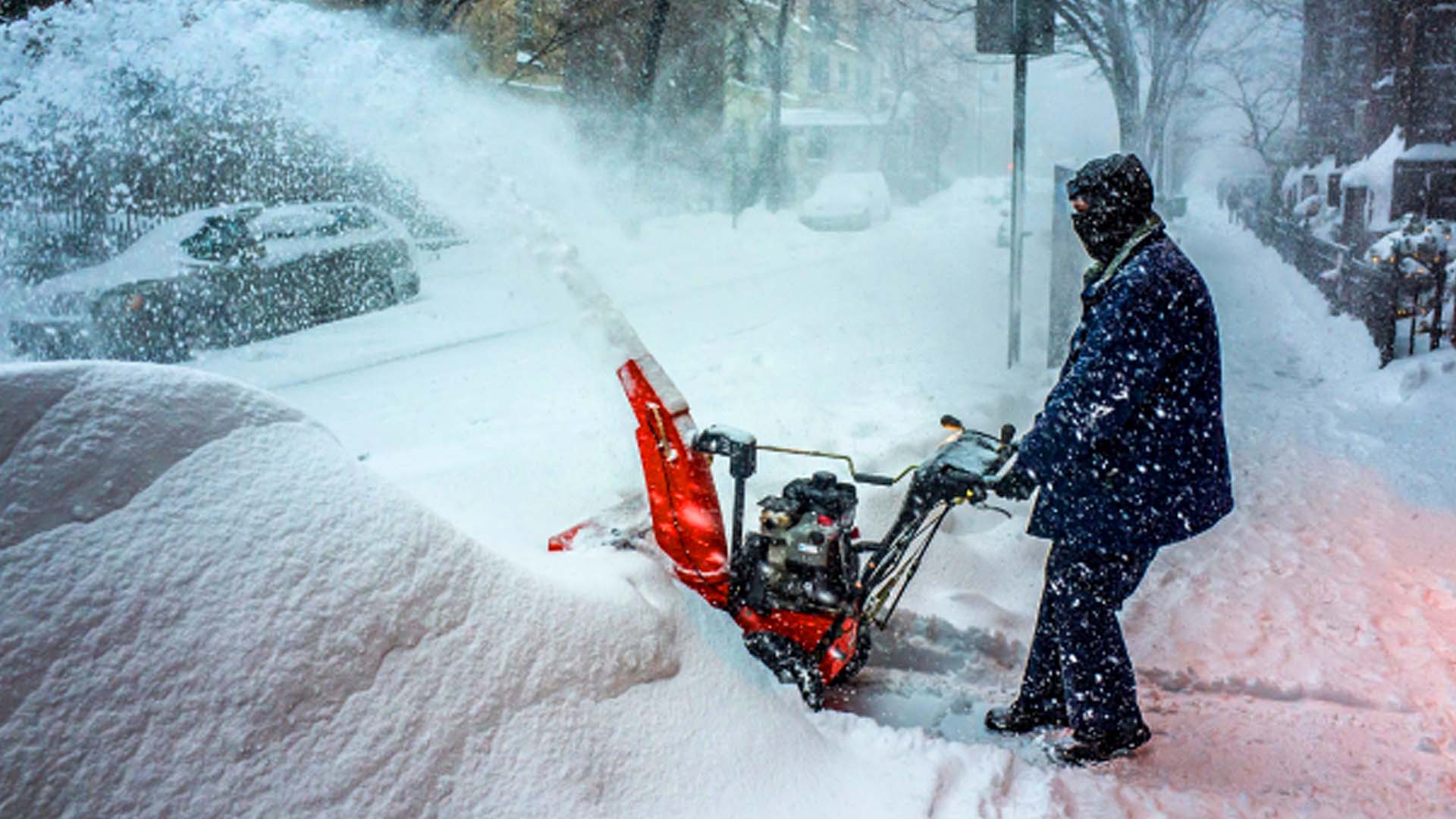
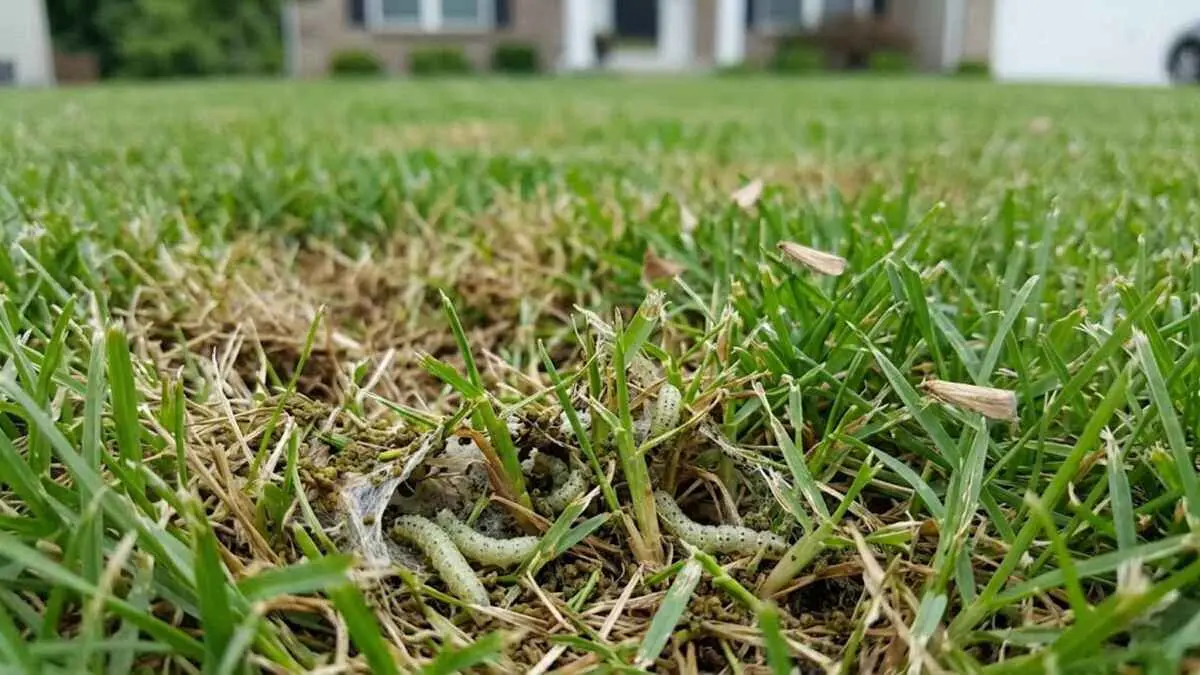

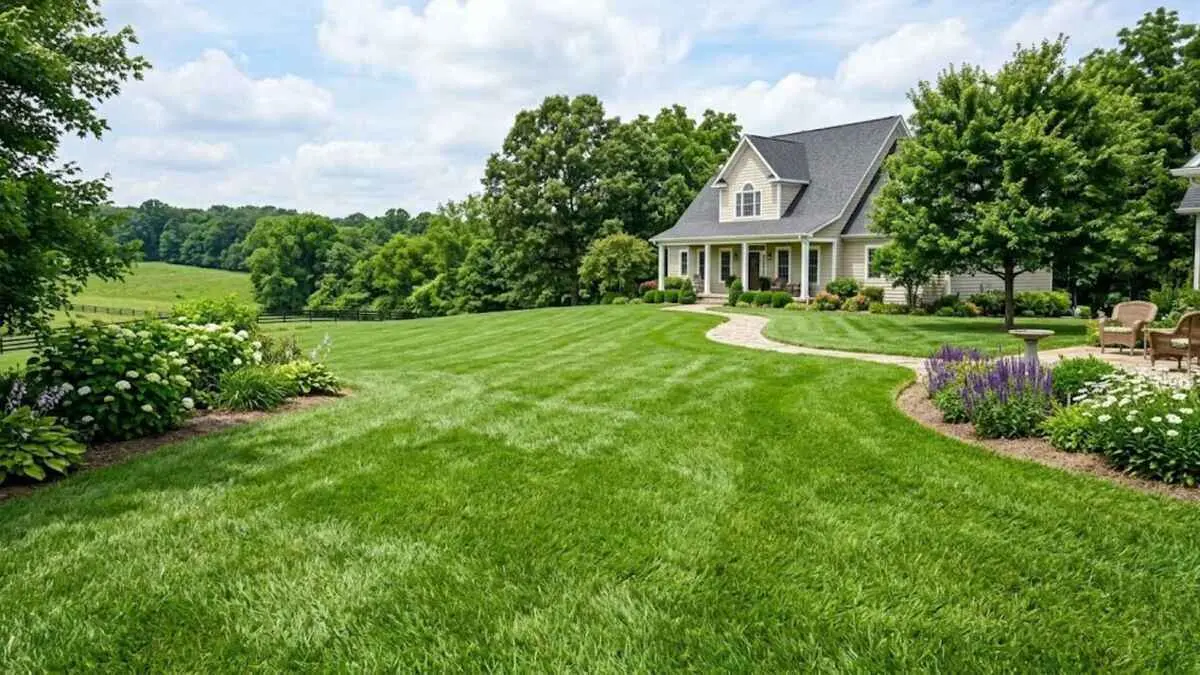
 9 Hottest Reasons To Start Gardening and Landscaping Today! {I was 😲 by #2}
by Gene Caballero | June 07, 2026
 17 Things HOAs Can Fine You For. Homeowners Association Regulation Nightmares!
by Gene Caballero | June 07, 2026

 Giving the Gift of Lawn Care and 3 Other Super Powers of the GreenPal app
by Gene Caballero | June 07, 2026
 Is it Legal? Fines, Liens, and Foreclosure for not mowing the grass.
by Gene Caballero | June 07, 2026



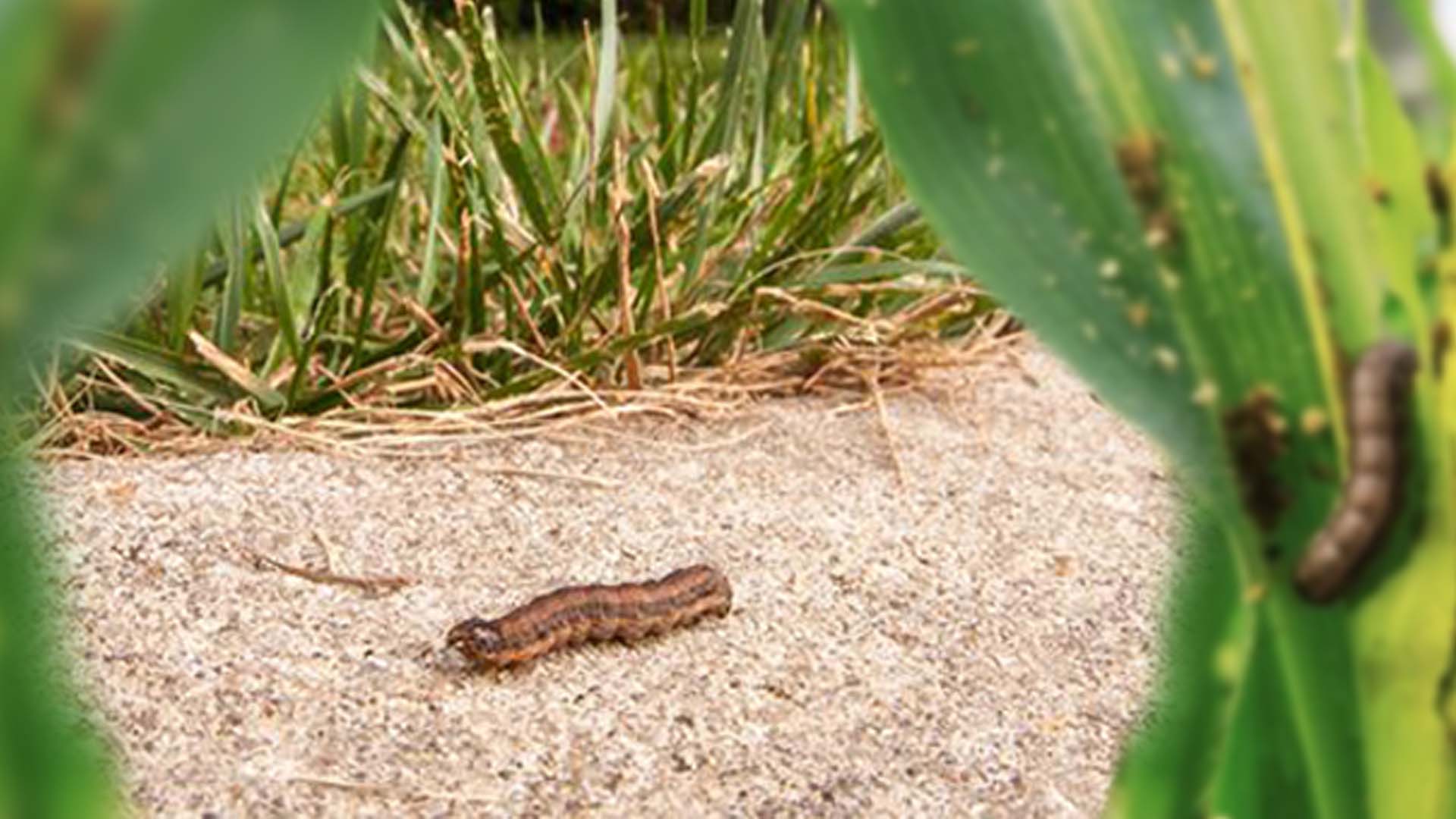 Homeowners Share How to Get Rid of Armyworms and Protect Your Lawn
by Gene Caballero | June 06, 2026
