How to Get Rid of Lawn Grubs
A severe grub infestation can cause large patches of dead grass in the lawn by destroying root systems. In this guide, we’ll show you when and how to kill grubs in the lawn and stop them from coming back.
|
In this article: How to Get Rid of Lawn Grubs Naturally |
What Are Lawn Grubs?
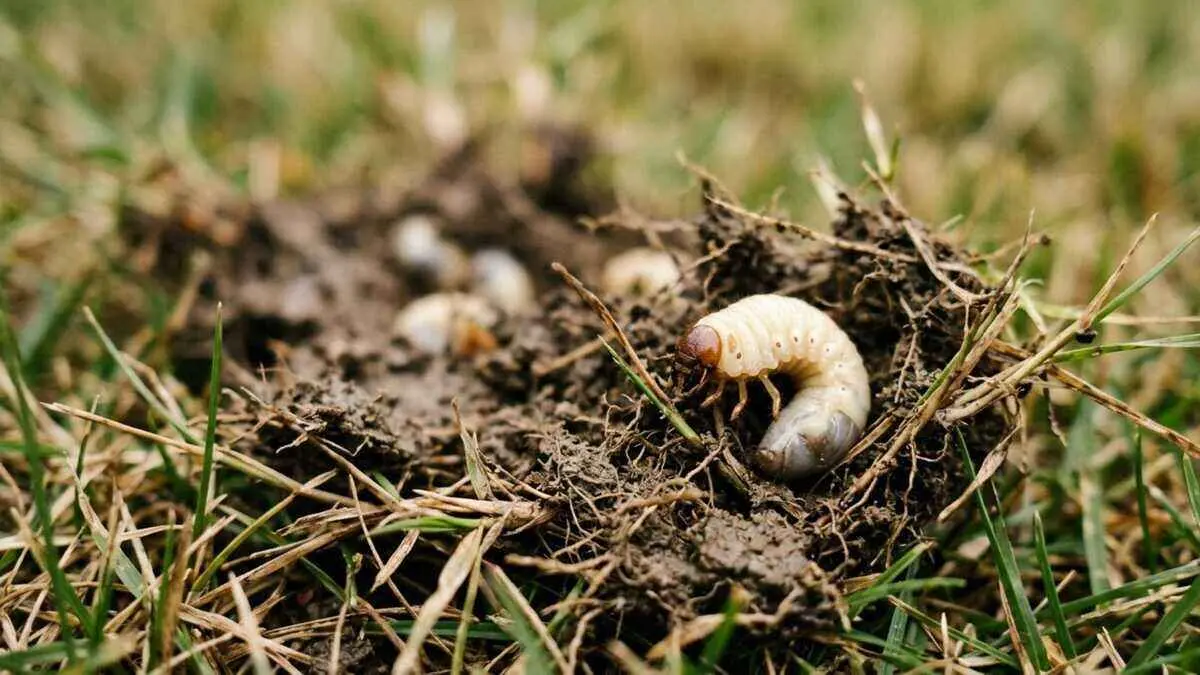
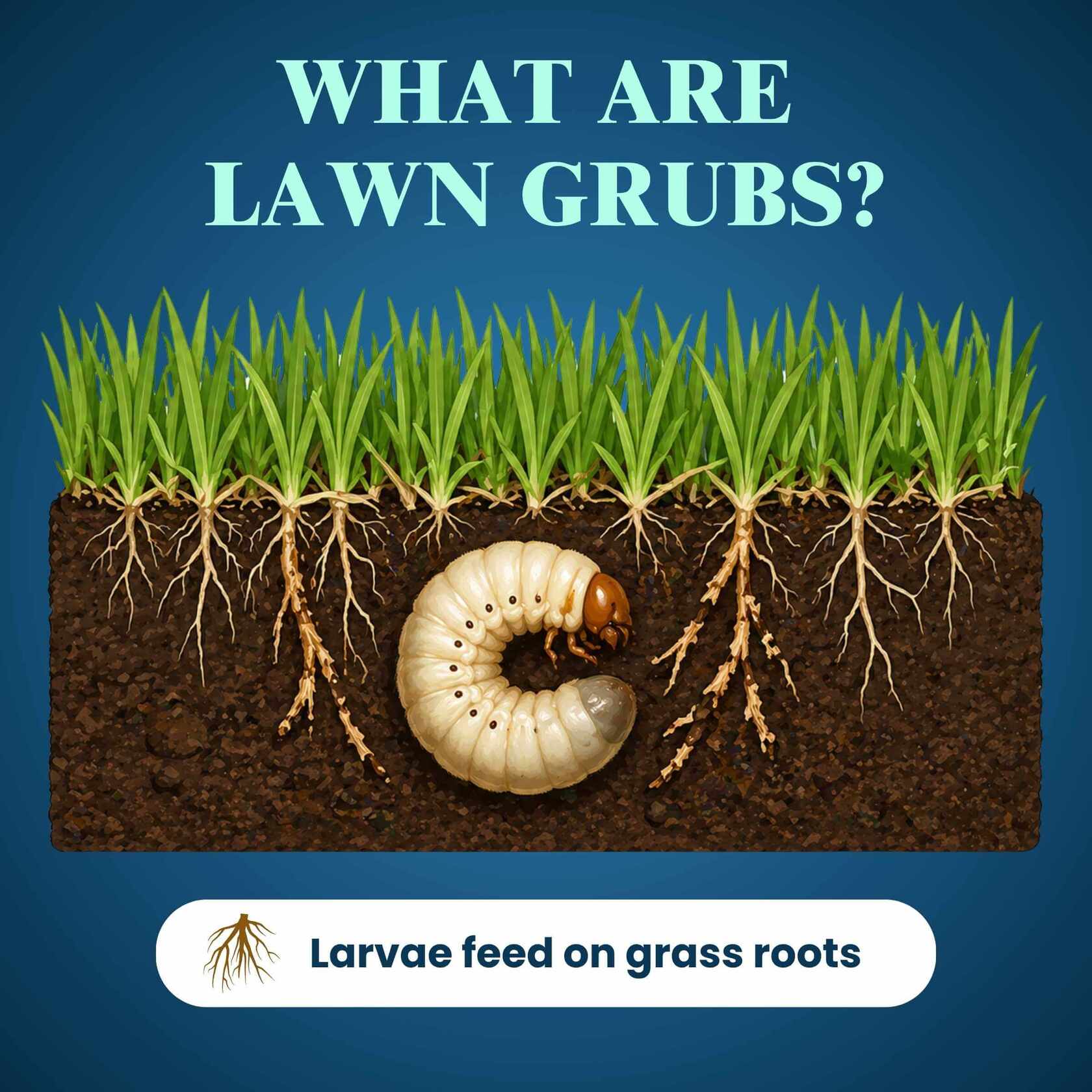
Lawn grubs are the immature, C-shaped, white larvae of various scarab beetles (such as June bugs, Japanese beetles, and chafers) that live in the soil and feed on grass roots.
Understanding their life cycle is key to treating them effectively. Most common lawn-damaging grubs:
Emerge as adult beetles to mate and lay eggs in late June to late July
Hatch in the soil 10 to 14 days later
Begin feeding in August until mid Autumn
Overwinter deep in the soil
Feed again in spring
Pupate in late spring, around mid-May
Keep in mind that stages of the life cycle may vary by a few weeks depending on your region’s local conditions.
Signs of Grubs in the Lawn
Grub damage typically appears in home lawns in late summer, early to mid-fall, or early spring when the grubs are feeding on grass roots. Keep an eye out for the following signs of grubs in the lawn:
Dead patches of grass appear and continue to grow larger.
Animals dig in the yard in search of food, including raccoons, skunks, and opossums.
Grass blades and roots are easy to pull out of the ground.
Spongy or bouncy feeling underfoot.
Grass rolls off the ground like sod or a carpet.
Adult beetles fly low to the ground in summer, particularly at night.
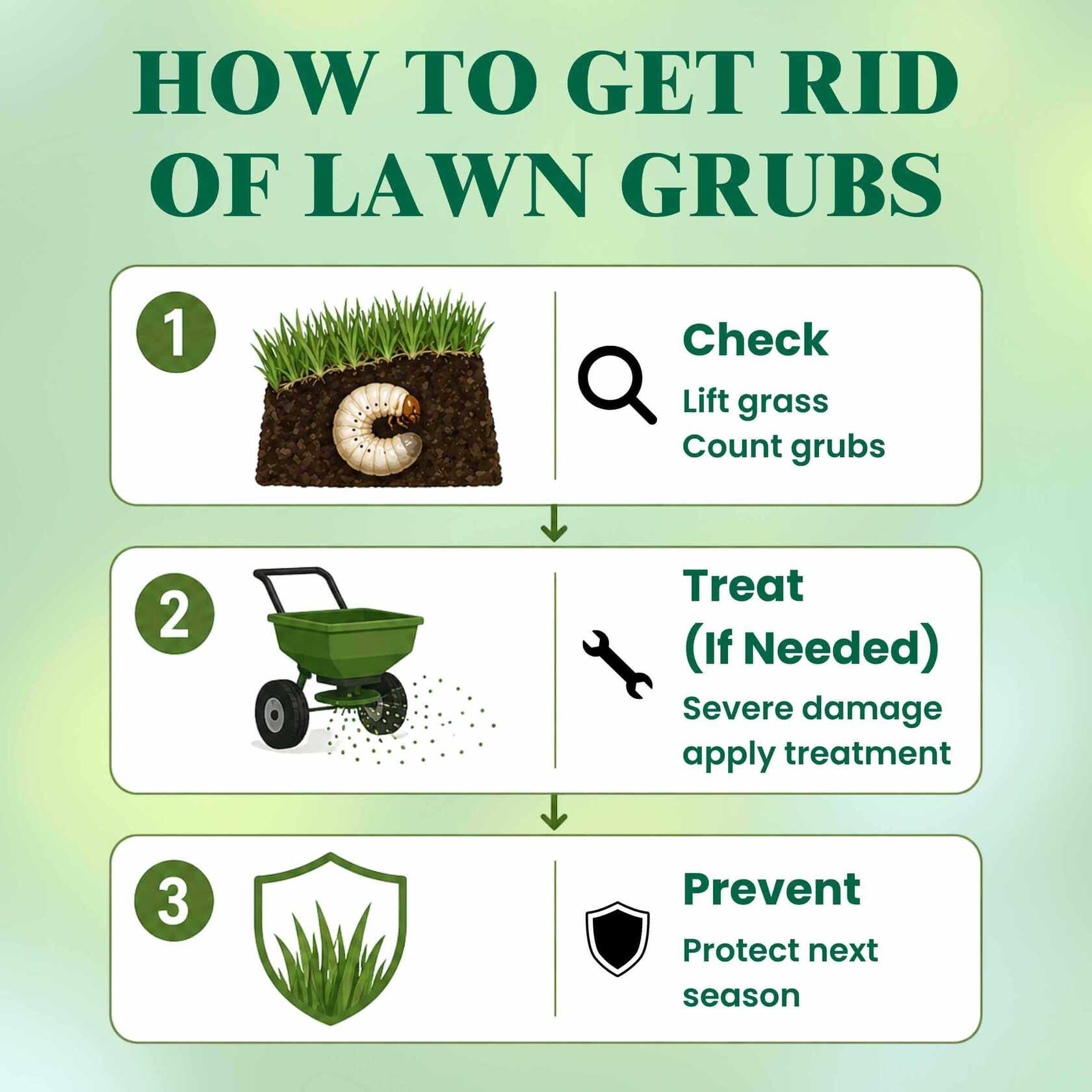
Step 1: Check For Lawn Grubs
Before you apply insecticides to your lawn, make sure you’re actually dealing with a grub problem and not a different common lawn issue.
Using a shovel, spade, or lawn edger, cut a one square foot section of your lawn where you suspect grub activity.
Pull up the cut section. If there is significant grub damage, the section should peel easily, like carpet.
Count how many grubs you see.
Place the cut grass back down.
A healthy, well-irrigated lawn can typically tolerate 5 grubs per square foot without visible damage.
If you count 6 to 9 grubs and your lawn is showing signs of stress or thinning, treatment is worth considering and you should revisit your lawn care routine.
Counting 10 or more grubs per square foot signals a serious infestation, and treatment may be necessary.
Step 2: Apply Curative Insecticides
Curative insecticides are generally less effective than preventative insecticides in reducing grub numbers. So, consider whether the infestation warrants immediate intervention, or wait until next summer to prevent the next generation.
The curative compounds carbaryl and trichlorfon kill all larval stages of grubs. Apply one of them to a severe infestation when grubs are found in fall or spring before they pupate around mid-May.
Water the lawn with 0.5 inches of irrigation immediately after applying the insecticide.
Step 3: Prevent Grubs Next Season
Preventative insecticides, such as imidacloprid, thiamethoxam, clothianidin, are highly effective against newly hatched grubs appearing in July. Unlike curative treatments, these insecticides do not kill adult grubs in fall or spring.
Timing of the application is generally dependent on the active ingredient, so always refer to the product’s instructions. Generally, the best time to apply preventive insecticides is in June or July, before the eggs hatch in mid-to-late July.
Water the lawn with 0.5 inches of irrigation immediately after applying the insecticide.
How to Get Rid of Lawn Grubs Naturally
Organic control methods are available for purchase to control white grubs in the lawn, offering a more eco-friendly alternative to synthetic chemicals. Apply any of the following when white grubs are feeding:
Milky Spore is a bacterium which only controls Japanese beetle larvae. Grubs ingest the bacteria, causing them to die and release more spores.
Nematodes are parasitic, microscopic worms that occur naturally in the soil. Among the most effective species for attacking white grubs is Heterorhabditis bacteriophora. Nematodes must be kept moist and are very sensitive to UV light, so apply them on a cloudy or rainy day.
Bacillus thuringiensis galleriae (Btg) is a bacterial soil insecticide that manages several common white grubs. According to the Purdue University Extension, efficacy appears to vary between white grub species and levels of control range from 35 to 100%.
How to Prevent Grubs With Lawn Care
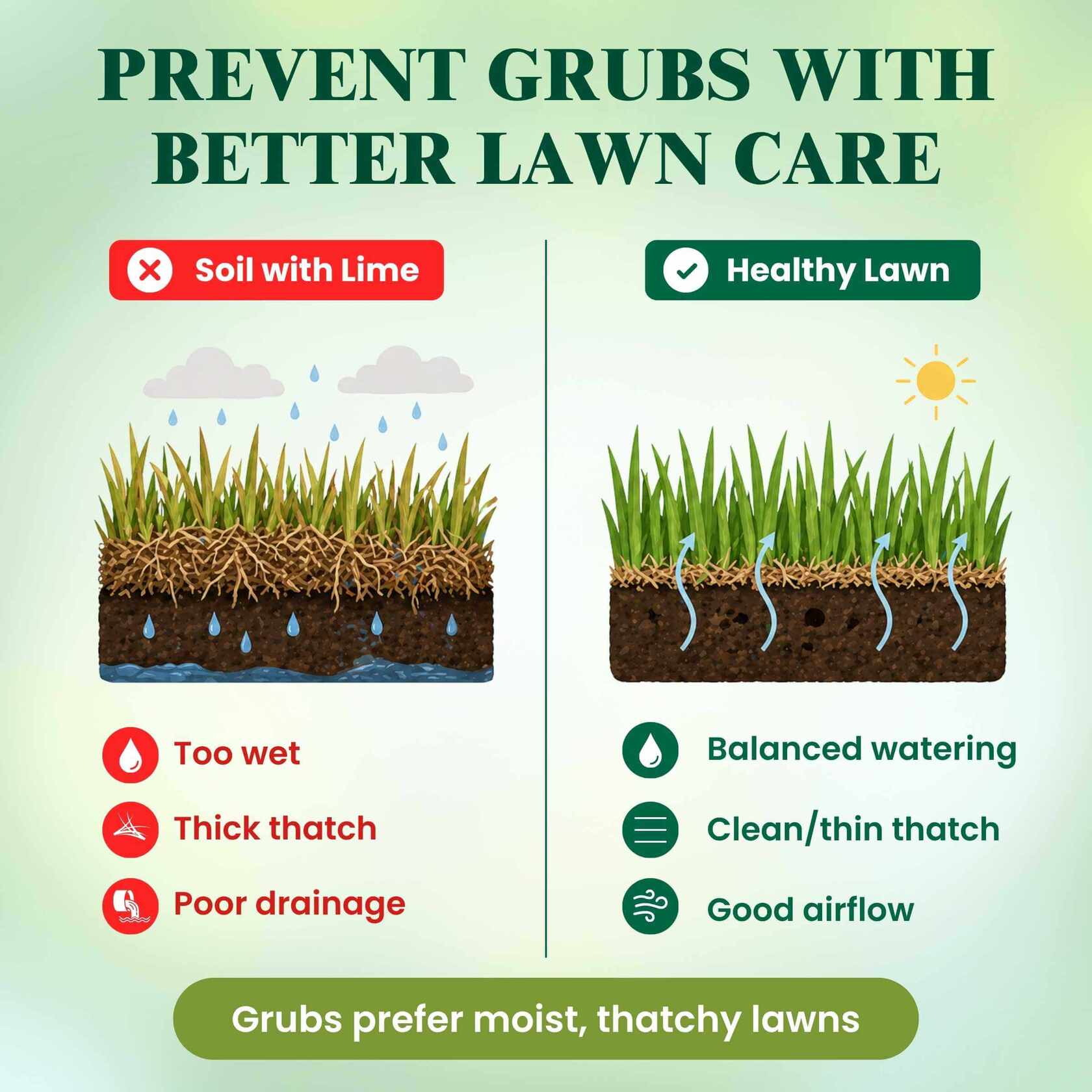
Female adult beetles seek out lawns with thick thatch and moist soils. To help prevent future generations of grubs, strengthen your lawn care practices:
Remove thatch: Thick thatch provides food and shelter for young grubs.
Fix broken irrigation lines: Broken sprinklers or underground irrigation lines can leave moist areas in the lawn.
Adjust watering: Ensure you’re not overwatering the lawn. Most lawns need 1 to 1.5 inches of water per week during the active growing season.
Aerate: Dense, compacted soil prevents drainage and leads to moist soil. Core aeration loosens compacted soil and improves drainage, making soil less hospitable for grubs.
In regions with historically high white grub activity, such as Minneapolis or Chicago, connecting with professional landscaping services can help support your grub prevention efforts.
Frequently Asked Questions
Do Grubs Die in the Winter?
No, lawn grubs usually don't die in the winter. Instead, they survive the winter by burrowing deep in the soil to stay protected from freezing temperatures.
How Many Years Should I Apply Preventative Grub Control?
According to the Michigan State University Extension, use preventive insecticides for one or two years if you had grub damage the previous fall or spring. If you’ve treated for several years and no longer see evidence in your lawn or the neighbor’s lawn, it’s safe to stop treating.
Are a Few Grubs Bad for the Lawn?
A few grubs in the lawn aren’t as bad as a severe infestation. Most healthy, well-irrigated lawns can support approximately five grubs per square foot with no visible turf damage.
Are Grubs Bad For the Garden?
Grubs are bad for the garden, too, not just your lawn. As larvae they feed on the garden’s plant roots, and as adult beetles they feed on plant leaves.
Hire a Lawn Care Pro
Many lawns can recover from grub damage, depending on the severity of the infestation and how quickly it is addressed. Minor damage may heal on its own once grubs are treated, but severe cases may require removing dead grass and overseeding bare patches.
Once the grubs are dealt with, find a lawn care professional near you who can nurse your lawn back to health.