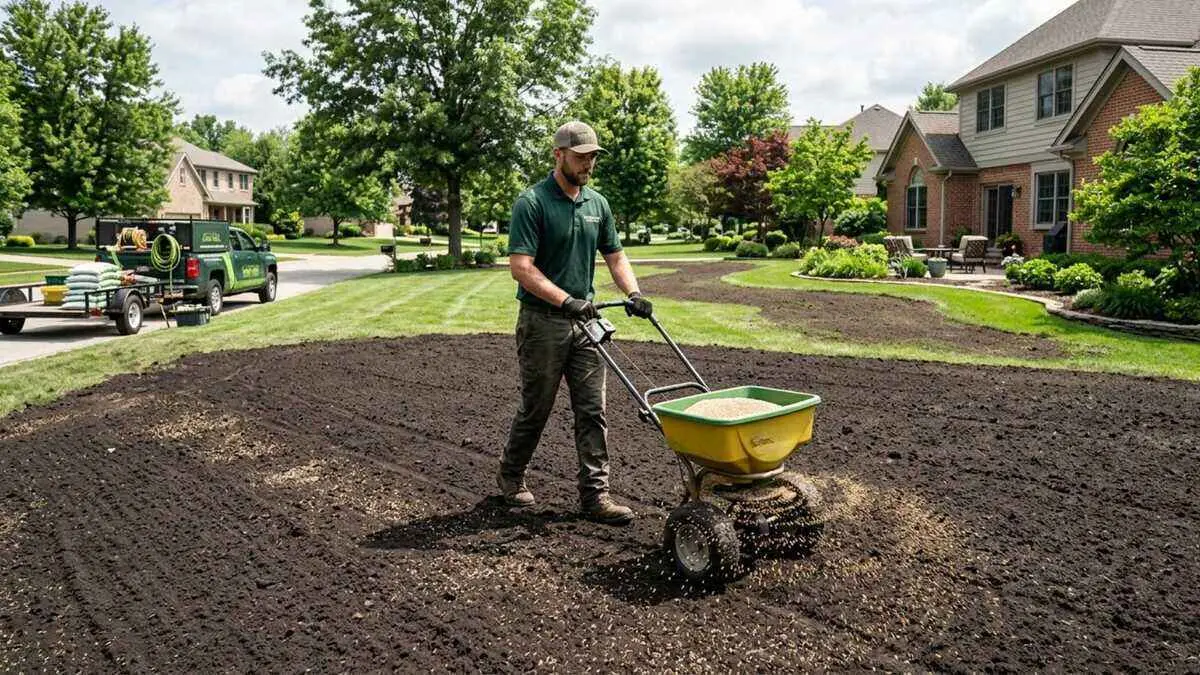
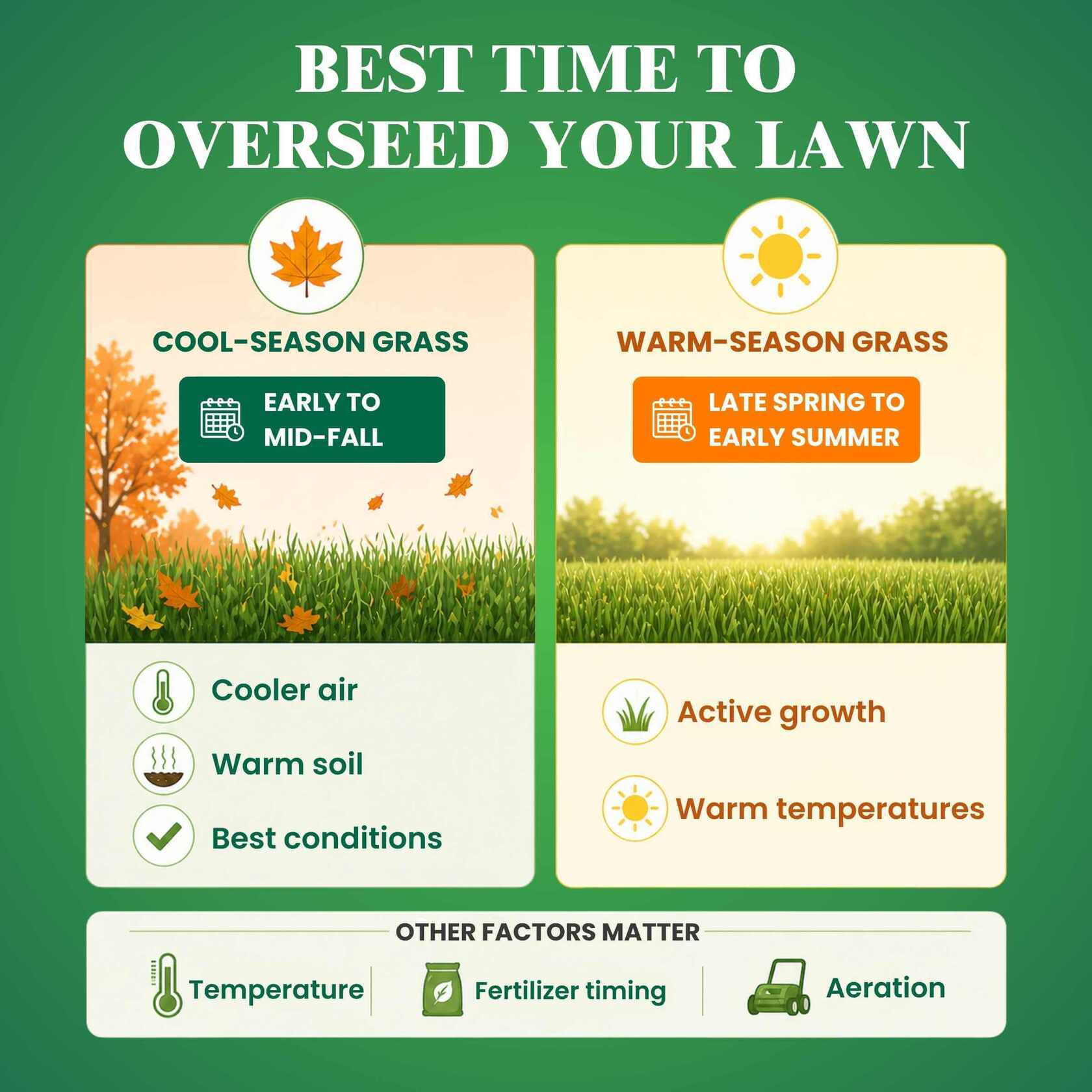
The best time to overseed your lawn is during its active growing season.
That means, if you grow cool-season grass, the best time to overseed is in early to mid-fall. If you grow warm-season grass, the best time to overseed is late spring to early summer.
Factors like air temperature, recent fertilizer applications, and whether you've aerated can also influence the best window to overseed.
|
In this article: Best Time to Overseed Cool-Season Grass Best Time to Overseed Warm-Season Grass |
Best Time to Overseed Cool-Season Grass
Early to mid-fall is the best time to overseed cool-season grass, when soil temperatures are typically between 50 and 65°F.
Avoid waiting too late in fall, as new seedlings need 6 to 8 weeks to germinate before the first frost.
While early spring is another option, fall is the superior time to overseed due to its warm soils, cool air, and less weed competition.
Best Time to Overseed Warm-Season Grass
Late spring to early summer is the best time to overseed warm-season grass, when soil temperatures are consistently between 65 and 75°F.
How to Maximize Overseeding Timing
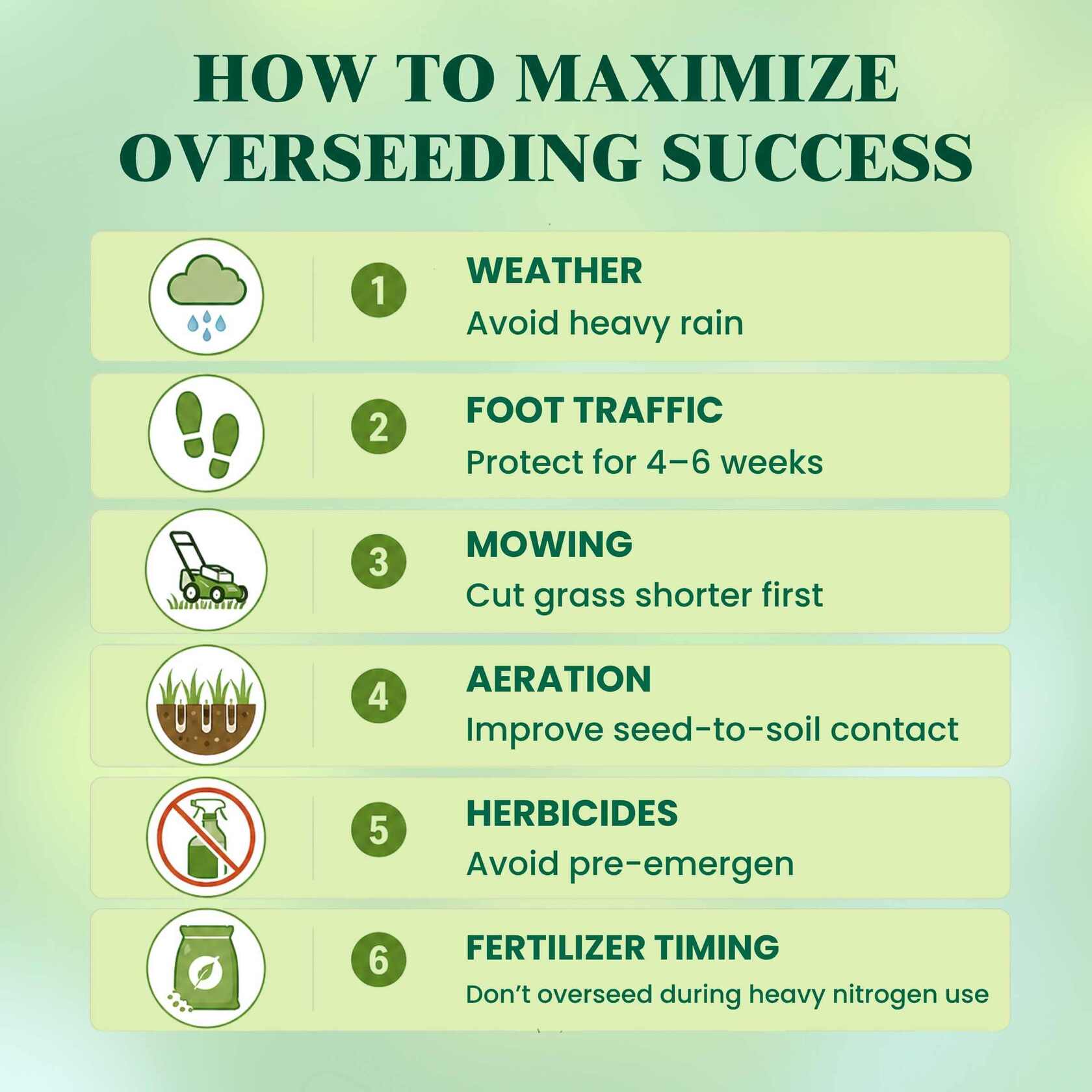
Knowing when to overseed goes beyond picking the right season. Factors like soil temperature, recent fertilizer applications, and weather can all influence your timing.
Check the Weather Forecast
Avoid overseeding before heavy rainfall or downpours that could misplace or scatter the seeds.
Factor in Foot Traffic
New seedlings and young grass must be left undisturbed for 4 to 6 weeks. Avoid overseeding before periods of heavy foot traffic, such as outdoor gatherings.
Mow Grass Short Beforehand
Mowing on the shorter end of your grass's recommended height reduces competition from existing grass by giving seeds a clearer path to the soil.
Overseed After Aeration
Aeration creates small holes in the lawn that expose the soil, giving seeds a place to land and take root that mowing alone can't provide.
If you live in an area with heavy clay soil that compacts easily, like Baltimore, scheduling professional lawn aeration before overseeding can significantly improve seed-to-soil contact and your lawn's overall health.
Avoid Pre-emergent Herbicides
Pre-emergent herbicides create a barrier that prevents seeds from germinating. Read the product label to determine how long you need to wait between overseeding and herbicide application.
Time Overseeding Around Your Fertilizer Schedule
If a soil test recommends a heavy nitrogen application, you may want to hold off on overseeding. Nitrogen can trigger the surrounding grass to outcompete the new seeds.
Frequently Asked Questions
When Is the Best Time for Winter Overseeding?
To achieve temporary winter color on a warm-season lawn, overseed with cool-season grass in early to mid-fall when soil temperatures are between 50 and 65°F.
How Often Should You Overseed Your Lawn?
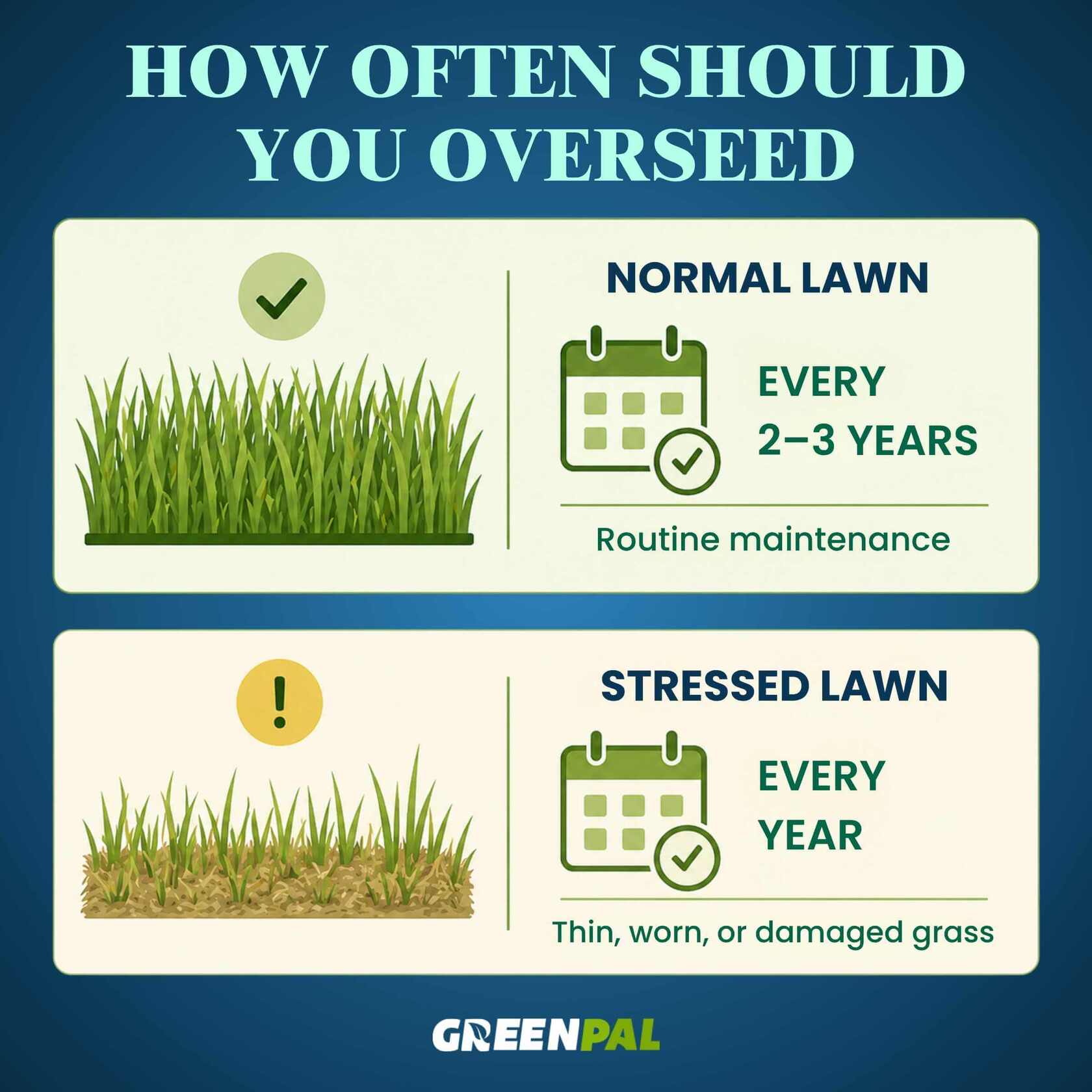
Overseed your lawn every 2 to 3 years for general maintenance, or annually if your lawn shows signs of stress, thinning, or wear and tear.
How Long Does It Take for Grass Seed to Germinate After Overseeding?
Grass seeds typically germinate within 7 to 21 days, depending on the grass type.
Turn to the Lawn Care Pros
The best time to overseed is during your grass's active growing season, when conditions are ideal for germination and new growth. Once your lawn starts filling in, professional lawn mowing services can help keep your newly thickened turf healthy and trimmed all season long.